Key Takeaways
- Smoke testing helps identify openings and connections through which air can travel and escape.
- Unexpected smoke can guide further investigation of odors, damaged seals, uncapped lines, and unwanted inflow.
- Smoke testing complements camera inspections, pressure tests, and other diagnostic methods.
- Proper setup, notifications, ventilation, and manufacturer instructions support safe testing.
- Documented findings, confirmed repairs, and follow-up verification make results useful for ongoing maintenance.
Hidden plumbing defects can cause persistent odors, unexplained moisture, unwanted sewer inflow, and repair work that becomes more disruptive than necessary. Controlled smoke testing gives maintenance teams a way to trace potential leak paths before opening walls, excavating soil, or replacing pipe sections. Hurco Technologies, Inc. offers water system maintenance products designed to help crews introduce visible smoke into plumbing and sewer systems and identify where it escapes.
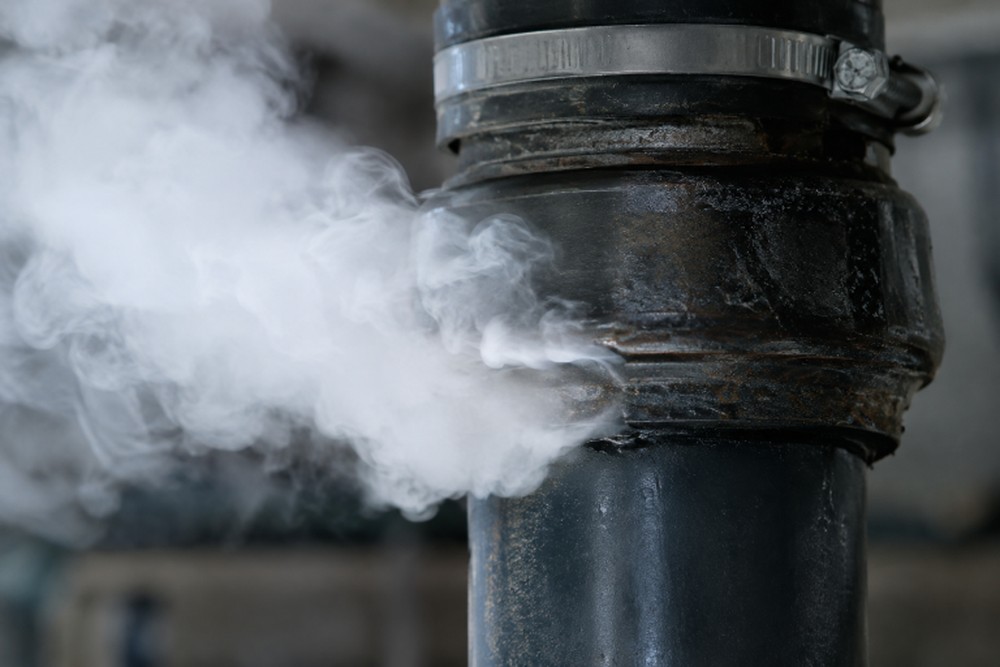
The Power Smoker 2 moves smoke-filled air through a selected section of piping. When smoke appears at an unexpected location, such as a damaged cleanout, a faulty vent connection, an abandoned line, or a surface crack, the crew has visual evidence to guide the next inspection or repair step. Smoke testing is a detection tool, not a substitute for professional repairs or other diagnostic methods.
What Is the Fastest Way to Locate Hidden Plumbing Leaks?
For leaks and openings that allow air to move through a plumbing system, smoke testing can be an efficient starting point. Rather than guessing where a problem may be located, crews can isolate an area, introduce smoke through an appropriate access point, and watch for visible smoke at fixtures, vents, cleanouts, soil surfaces, or building penetrations.
This approach is especially useful when the system has been altered over time or when records do not clearly show every connection. It can help narrow a broad complaint, such as recurring sewer odor or suspected wet-weather inflow, into a defined repair target.
Why Use Smoke-Based Plumbing Testing?
Smoke can reveal pathways that are difficult to confirm through a visual walk-through alone. Depending on the system and testing conditions, visible smoke may identify open connections, damaged seals, missing caps, improperly connected vents, dry traps, and other defects that permit air movement.
It should be one part of a broader maintenance program. The U.S. Environmental Protection Agency includes smoke testing and sewer camera inspection among collection-system practices discussed to reduce the risks of inflow, infiltration, and sanitary sewer overflow. Maintaining collection and lift station systems may therefore involve using multiple inspection methods rather than relying on a single test.
How Does the Hurco Technologies, Inc. Power Smoker 2 Work?
- Review the suspected problem area and select the plumbing or sewer section to test.
- Prepare access points and isolate the section as needed for the specific system.
- Introduce smoke through a suitable cleanout, vent, or other approved connection point.
- Operate the Power Smoker 2 to move smoke-filled air through the piping network.
- Observe, photograph, and map each unexpected smoke release before planning repairs.
Power Smoker 2 Features to Consider
- Airflow: Hurco Technologies, Inc. lists the Power Smoker 2 with a cast-aluminum fan rated at 700 CFM at 8.0 inches of water gauge.
- Smoke production: The unit uses LiquiSmoke, and Hurco states that its SuperJet muffler supports a higher fluid burn and denser smoke.
- Field construction: Hurco identifies precision-balanced cast aluminum props as part of the equipment’s durable design.
- Operating cost: The manufacturer states that LiquiSmoke costs cents per minute to use, although actual use depends on test duration and job conditions.
Which Problems Can Smoke Testing Help Identify?
A smoke test can help crews investigate a range of plumbing and underground-system concerns, including:
- Hidden leak paths and open plumbing connections.
- Damaged, loose, or missing cleanout caps.
- Improperly connected plumbing vents.
- Dry, defective, or missing drain traps.
- Damaged building sewer connections.
- Abandoned or uncapped service lines.
- Potential cross-connections between stormwater and sanitary systems.
- Possible pathways through which sewer gases may enter a building.
Smoke appearing at a location does not independently establish the full condition of a pipe or connection. The result should be evaluated by a qualified professional and then confirmed through repair work, camera inspection, pressure testing, water testing, or another appropriate method when necessary.
Why Is LiquiSmoke Important?
The smoke fluid is central to the testing process because visibility determines whether crews can observe an escape point. Hurco Technologies, Inc. describes LiquiSmoke as laboratory-tested for use with its smoke testing equipment. Dense, visible smoke can make small openings and indirect pathways easier to recognize during a carefully managed test.
Operators should always follow the equipment manual, product safety information, local fire safety requirements, and property notification procedures. Even when a smoke product is described as safe for its intended use, a test should not create unnecessary exposure. Occupants with respiratory concerns should avoid affected spaces and follow guidance from qualified safety and health professionals.
How Smoke Testing Supports Water System Maintenance
Smoke testing works best as a documented maintenance activity rather than a one-time response to a complaint. A practical process includes reviewing odor reports, backups, wet-weather flow patterns, and prior repair records; notifying affected occupants or agencies when appropriate; conducting the test under suitable conditions; documenting visible smoke points; repairing confirmed defects; and retesting or using another method to verify the repair.
Example Field Scenario
During an infiltration investigation, a crew may test a suspected service area after reviewing flow data and system maps. If smoke rises from an unexpected location in the yard or from an unused connection, the observation may indicate an abandoned or uncapped line. The team can then expose, inspect, and properly close or repair the connection, rather than excavating without a defined target.
Municipal utilities also use this approach in public infrastructure programs. For example, annual smoke testing in Minneapolis is used to locate cracks, leaks, and faulty connections in the sewer system.
How Does Smoke Testing Compare With Other Inspection Methods?
- Smoke testing: Best for identifying visible pathways where air and smoke can escape. Results can be affected by weather, flow, system layout, and access.
- CCTV inspection: Best for viewing internal pipe condition. It may not reveal every surface connection or outside source of inflow.
- Pressure testing: Useful for determining whether an isolated section holds pressure. It may confirm leakage without showing the exact location.
- Water testing: Useful for confirming selected flow paths and connections. It requires access to water and suitable site conditions.
What Safety Practices Should Operators Follow?
- Read the Power Smoker 2 manual and fire-safety documentation before operating the equipment.
- Notify property owners, occupants, local fire departments, and other affected contacts when required.
- Use proper ventilation and limit unnecessary exposure to smoke.
- Pause the test if an unusually large amount of smoke enters a building or a serious defect is suspected.
- Avoid unsuitable testing conditions, such as heavy rain, strong wind, excessive pipe flow, or saturated soil, unless qualified personnel determine testing is appropriate.
- Keep photographs, maps, and repair records for future maintenance planning.
Frequently Asked Questions
Can smoke testing find every plumbing leak?
No. It can reveal openings where smoke can travel and escape, but submerged, blocked, sealed, or inaccessible defects may require additional inspection methods.
What should a crew do if smoke enters a building?
Pause or stop the test, ventilate the affected area, identify the entry point, and arrange appropriate inspection and repair of the plumbing defect.
Why Choose Hurco Technologies, Inc.?
For plumbers, utilities, contractors, and maintenance teams, the Hurco Technologies, Inc. Power Smoker 2 provides a focused method for investigating unclear leaks, odors, inflow, and connection concerns. When used with appropriate safety procedures, clear documentation, and follow-up verification, smoke testing can turn a difficult-to-locate plumbing issue into a visible, actionable repair target.