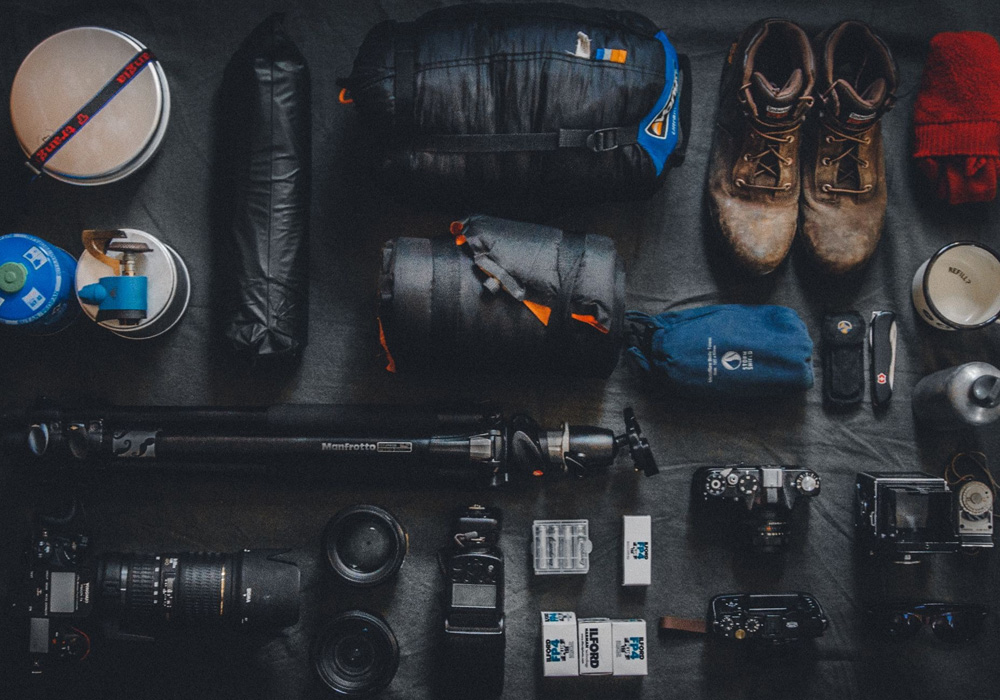
Travelling with children, cameras, musical instruments or creative equipment can make a simple trip feel much more complicated. Suitcases fill quickly, valuable items need extra protection, and carrying heavy bags between the car, hotel and activities can become tiring.
The good news is that bulky travel gear doesn’t have to take the fun out of an adventure. A little planning can make it easier to pack, transport and protect everything you need.
For photographers and content creators, this might mean organising cameras, lenses, tripods and lighting equipment before leaving home. Musicians may need to pack keyboards, instruments, cables and accessories. Families can face similar challenges when a holiday includes sports equipment, specialist hobbies or children’s gear.
The key is to consider what you need to carry, how far it has to travel and how easily you can move it once you arrive.
Start With a Realistic Packing Plan
Before putting anything into a case or bag, list the equipment you genuinely need for the trip. This simple step can prevent you from carrying items that will sit unused for the entire holiday.
Separate your gear into three groups: essential equipment, useful extras and items that can stay at home. A photographer might consider a camera body and one or two lenses essential, while several duplicate accessories may be unnecessary for a short break.
The same approach works for musicians and content creators. Think about what the trip actually involves rather than packing for every possible situation.
Once you know what you are taking, check the size and weight of each item. This makes it easier to decide whether everything can travel in one case or whether several smaller containers would be easier to handle.
It is also worth leaving some spare space. A full case can be harder to close, heavier to lift and less convenient if you pick up souvenirs or additional equipment during the trip.
Why a Flight Case With Wheels Helps on Trips
Heavy equipment becomes much easier to move when you don’t have to carry all its weight. A flight case with wheels can be useful for travellers transporting larger or heavier equipment between cars, accommodation, venues and other destinations.
Flightcase Warehouse is a UK supplier of flight cases and equipment-protection products, including cases with castors and wheel boards. Its website states that its Pro Flightcases are designed and manufactured in its Midlands factory.
For a photographer travelling with several pieces of equipment, wheels can make a noticeable difference when moving through a large building or across a car park. A musician heading to a performance may also find a wheeled case easier to manage than repeatedly lifting a heavy load.
Families can benefit too. If a trip involves specialist equipment, a sturdy wheeled case can help one adult move a heavier item while keeping their hands free for children, luggage or other belongings.
The key point is to choose equipment protection based on what you are carrying. Check the case’s internal dimensions, weight capacity, wheel arrangement and handle position before you buy.
Protect Fragile Equipment Before You Leave
A case can only protect equipment properly if you pack the contents securely.
Start by checking that each item has its own protective sleeve, pouch or compartment. Cameras and lenses should be padded, while smaller accessories can go in separate containers to prevent them from moving around.
For larger cases, foam or dividers can create dedicated spaces for individual items. This reduces unnecessary movement and makes it easier to find equipment when you arrive.
Do not leave cables, batteries or loose accessories floating around delicate equipment. Small objects can shift during transport and may scratch or press against more fragile items.
If you are carrying electronics, keep them dry and avoid leaving them in a hot vehicle for long periods. Temperature changes can affect certain equipment, so allow items to adjust gradually when moving between very different environments.
Think About the Journey, Not Just the Destination
A common packing mistake is focusing on the final destination while overlooking what happens along the way.
Consider each stage of the trip. Will you need to carry the equipment from your house to the car? Will there be stairs at your accommodation? Are you likely to move between several locations during the holiday?
A bag that feels manageable for five minutes may become uncomfortable after an hour. Likewise, a case that fits neatly in a car may be awkward to remove if it is packed too tightly.
If you are flying, check the airline’s current baggage rules before travelling. Size and weight allowances vary by airline and ticket type. A protective case doesn’t automatically mean an item qualifies as cabin baggage.
For road trips, measure the available boot or storage space before packing. Leave enough room to access the equipment without unloading everything else.
Keep Frequently Used Items Easy to Reach
Keep the equipment you use most often accessible without unpacking the entire load.
For photographers, this could mean keeping spare batteries, memory cards and a frequently used lens near the top of the case. Content creators may want quick access to microphones, charging cables or compact lighting equipment.
Families can apply the same principle to travel essentials. Snacks, chargers, first-aid supplies and entertainment items are more useful when they’re easy to reach.
Use smaller bags or organisers inside larger cases where practical. This creates clear sections and saves time when you need a particular item.
Clear labels help when several cases look alike. A simple label identifying the contents can prevent unnecessary opening and closing during busy travel days.
Make Your Equipment Easier to Move
Weight distribution matters. Place heavier items low and keep the load balanced where possible. This makes the case easier to control and reduces the temptation to overload one side.
Wheels are especially useful on flat surfaces, but they don’t eliminate the need to lift equipment occasionally. You may still encounter steps, kerbs, uneven paths or narrow spaces.
Handles should be comfortable and positioned so you can maintain control. If several people may use the case, consider who will move it and how far they may need to travel.
For cases fitted with castors, check that the wheels suit the surfaces you expect to encounter. Flightcase Warehouse, for example, lists flight cases with 100mm castors on several of its products, with some configurations including brakes.
Plan for the Return Journey
Packing should work in both directions.
Take a quick photo of how your equipment is arranged before leaving. This gives you a useful reference when repacking at the end of the trip.
Keep accessories together throughout the holiday rather than moving them between bags. Small items are easy to lose when a trip involves several hotels, venues or stops.
Before heading home, check your original equipment list. Look under beds, in hotel drawers, in vehicle storage areas and in any separate bags used during the trip.
If equipment has become wet, dirty or dusty, give it appropriate attention before closing it away for the journey home. Where possible, allow damp items to dry properly.
A Little Preparation Makes Travel Easier
Bulky equipment need not make an adventure feel like hard work. The right preparation can reduce lifting, protect valuable belongings and make every stage of the journey easier.
Start by deciding what you actually need. Pack fragile equipment securely, keep frequently used items within reach, and plan how you’ll move everything from one place to another.
For heavier loads, a wheeled protective case can reduce the need to carry. This can be particularly helpful for photographers, musicians, content creators and families who already have plenty to manage.
The best travel setup suits your particular trip. Consider the equipment, the route, the transport you will use and the places you expect to visit. With those details planned, you can spend less time worrying about your gear and more time enjoying the adventure.