Galveston’s East End is the part of the island where history and the shoreline sit closest together. Within a few blocks you can go from a Victorian porch to the Seawall, from a Strand coffee shop to a wide stretch of sand where the Gulf meets the ship channel. For travelers who want character, walkability, and easy beach access in the same trip, it is one of the most rewarding areas on the island to base a stay.
This guide covers the neighborhoods that make up the East End, the beaches worth knowing, and the practical details that help you choose the right place to stay.
Where the Island Began
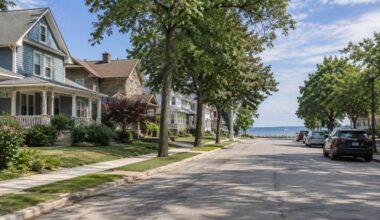
The East End Historic District is the heart of the area. Its tree-lined streets are filled with restored 19th-century homes, many of which survived the 1900 Storm, and the neighborhood is a designated National Historic Landmark District. Walking here feels less like touring a museum and more like visiting a living neighborhood, with gardens, corner churches, and porches that still get used every evening.
Just north, the Strand and downtown bring the energy. Historic storefronts house restaurants, galleries, and boutiques, while the Grand 1894 Opera House and Postoffice Street’s arts scene keep the evenings busy. Pier 21 and the harbor sit at the edge of downtown, which also makes the East End a convenient choice for cruise passengers who want a night or two on the island before boarding.
Broadway runs along the southern edge of the historic district and leads to some of Galveston’s best-known landmarks, including Bishop’s Palace. Head south from there and you reach the Seawall within minutes.
Two Very Different Beaches
Stewart Beach is the East End’s classic family beach. Located where Broadway meets Seawall Boulevard, it offers seasonal lifeguards, chair and umbrella rentals, restrooms, and concessions, which makes it an easy choice for travelers with kids or anyone who wants a low-effort beach day.
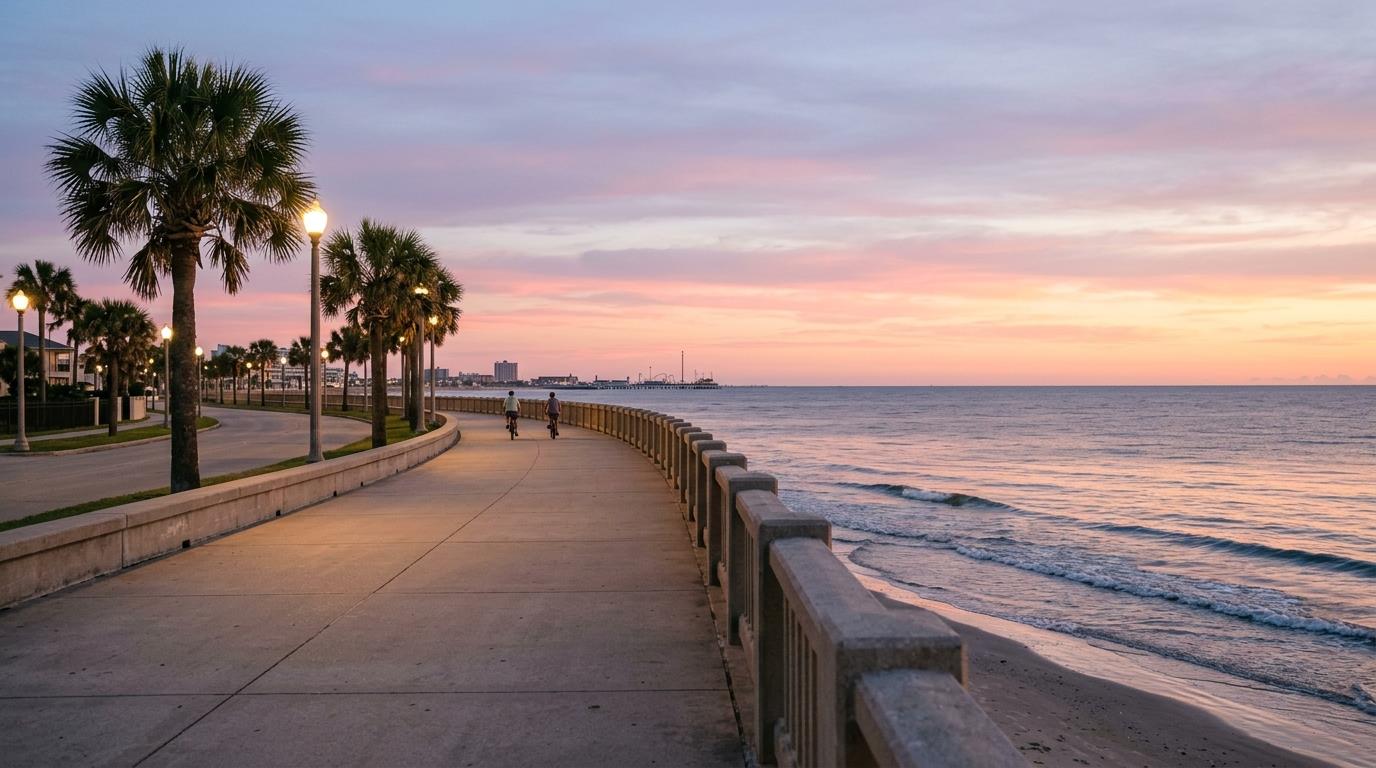
Farther east, East Beach sits at the tip of the island near the mouth of the Houston Ship Channel. It is wider and more open, with views of passing cargo ships and a more relaxed feel. Next door, Big Reef Nature Park adds trails and boardwalks through coastal wetlands, a favorite stop for birders and anyone looking for a quieter side of the island.
Having both options close by is one of the East End’s biggest advantages. You can spend a morning at Stewart Beach with the family, then catch the sunset somewhere calmer without getting in the car for long.
Getting Around
The East End rewards travelers who like to explore on foot or by bike. The historic district, the Strand, and the Seawall are all close enough that many visitors park once and leave the car for most of the trip. Golf carts are also a popular way to get around the island, though street rules vary, so it is worth checking local regulations before renting one.
The Galveston–Port Bolivar Ferry terminal is also on the East End, making a free day trip to the Bolivar Peninsula an easy addition to any itinerary.
What to Look for in a Rental
Because the East End mixes historic homes, beach-adjacent properties, and newer developments near East Beach, the right rental depends on the kind of trip you have in mind. Families often prioritize space, multiple bedrooms, and a short walk to Stewart Beach. Couples and history lovers tend to favor restored homes in the historic district, where you can walk to dinner on the Strand. Groups and longer stays benefit from full kitchens, outdoor areas, and dedicated parking, which can be limited on some of the older streets.
Other details worth checking include whether beach gear is provided, how close the property is to the Seawall, and whether there is a washer and dryer for sandy towels and swimsuits. For cruise travelers, proximity to the port and secure parking can make the start of the voyage much easier.
If you are comparing options, browsing stays in Galveston’s East End is a good way to see how different homes balance location, space, and amenities before you book.
When to Visit
Spring and fall are often the sweet spot, with warm weather, lighter crowds, and a steady calendar of events. Mardi Gras brings parades through downtown in late winter, and the holiday season fills the historic district with lights and seasonal events. Summer is peak beach season, so booking early is the best way to secure a home close to the sand.
Make the East End Your Base
Few places on the Gulf Coast offer this combination of architecture, culture, and coastline within such a short distance. Whether your plans revolve around beach days, historic walks, a cruise departure, or simply slowing down for a few days, Galveston’s East End gives you room to do all of it from one well-placed home.