Many homeowners know they want fresh walls and a cleaner appearance, but they are usually unsure what a full interior painting and drywall project actually includes. Some assume it begins with paint and ends with cleanup. In reality, much of the work happens before the first coat is applied. Surface preparation, drywall repairs, finishing work, and quality checks all contribute to the final result. Understanding the complete process helps homeowners plan more effectively and know what to expect before work begins.
Evaluation of Existing Wall Conditions
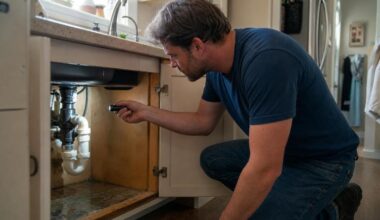
Every project starts with an evaluation of the home’s interior surfaces. Contractors inspect walls and ceilings for cracks, dents, water damage, nail holes, and other imperfections that could affect the finished appearance. Identifying these issues early helps determine the scope of drywall work required.
Homeowners researching interior renovation projects discover that drywall preparation plays a major role in achieving a professional-looking finish. For example, contractors such as Pacific West Construction & Maintenance typically address surface imperfections before painting begins because even high-quality paint cannot fully hide damaged walls or ceilings.
Drywall Repairs Before Painting
Before painting begins, damaged areas are repaired and prepared. This stage focuses on creating smooth, consistent surfaces that can properly receive paint and primer.
Common preparation tasks may include:
- Patching holes and cracks
- Replacing damaged drywall sections
- Applying joint compound
- Sanding repaired areas
- Cleaning wall surfaces
Proper preparation helps improve paint adhesion and creates a more uniform appearance throughout the home.
Primer and Paint Application
Once surfaces are ready, primer is applied where needed. Primer helps seal repairs, improve coverage, and create a consistent base for the finish coats. The amount of primer required depends on existing wall conditions and color changes.
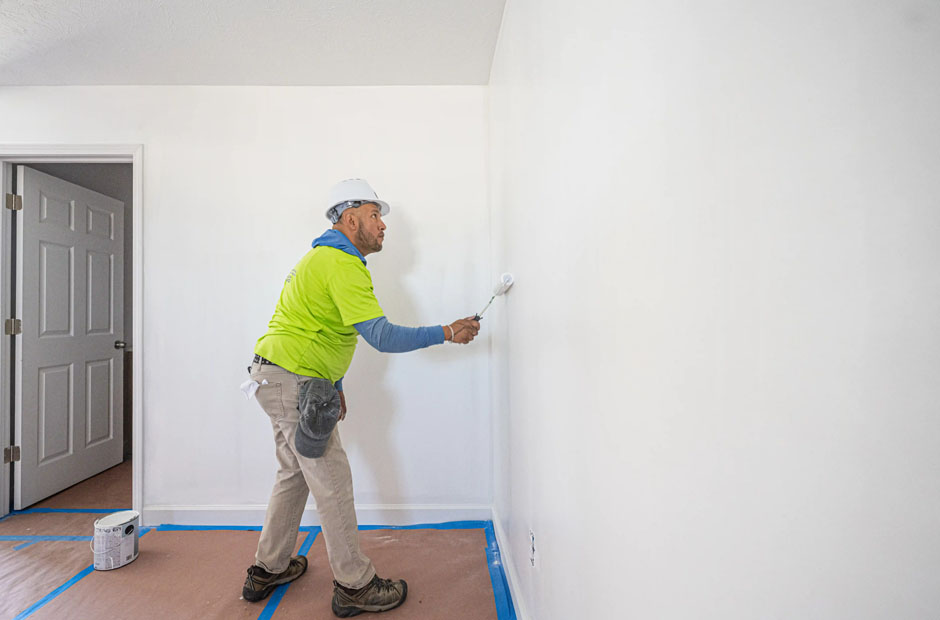
After priming, contractors apply the selected paint products. A practical example is a home transitioning from dark wall colors to lighter shades. Additional preparation and coating steps may be necessary to achieve consistent coverage and appearance.
Trim, Ceilings, and Finishing Touches
A full interior painting project usually extends beyond walls alone. Trim, doors, baseboards, window casings, and ceilings receive attention as part of the overall scope. These elements contribute significantly to the finished appearance of a room. Careful detail work helps create clean transitions between surfaces and supports a more polished result. Contractors typically coordinate these tasks to ensure the entire space maintains a consistent appearance rather than focusing on individual surfaces separately.
Final Quality Checks and Cleanup
The final stage involves reviewing completed work and addressing any remaining touch-ups. Contractors inspect painted surfaces, repaired drywall areas, and finished details to confirm they meet project expectations. Small corrections are usually completed before the project is considered finished. Cleanup is also an important part of the process. Protective coverings, materials, and debris are removed so homeowners can begin using the space without unnecessary disruption.
The Role of Project Coordination
Interior painting and drywall projects involve multiple steps that depend on proper timing and execution. Repairs must be completed before priming, surfaces must be prepared before painting, and inspections help verify quality throughout the process. Homeowners can benefit from reviewing examples of how interior painting and drywall projects are planned and completed. A coordinated project led by an experienced painting contractor ensures drywall repairs, surface preparation, painting, and finishing work are completed in the correct sequence for consistent results.
A full interior painting and drywall project includes much more than applying paint to walls. Surface evaluation, drywall repairs, preparation work, priming, painting, detail finishing, and final inspections all contribute to the outcome. Homeowners who understand these stages are often better prepared to evaluate project scope and expectations. Careful planning and coordinated execution help create interior spaces that look refreshed, consistent, and ready for everyday use.