Key Takeaways
- Choosing the right heat pump requires understanding the different types and their suitability for your home and climate.
- Energy efficiency, home assessment, and correct installation are essential for maximizing comfort and savings.
- Financial incentives and expert consultation can make your investment more affordable and effective.
- Regular maintenance is crucial to ensure reliable, long-term operation.
Understanding Heat Pump Types
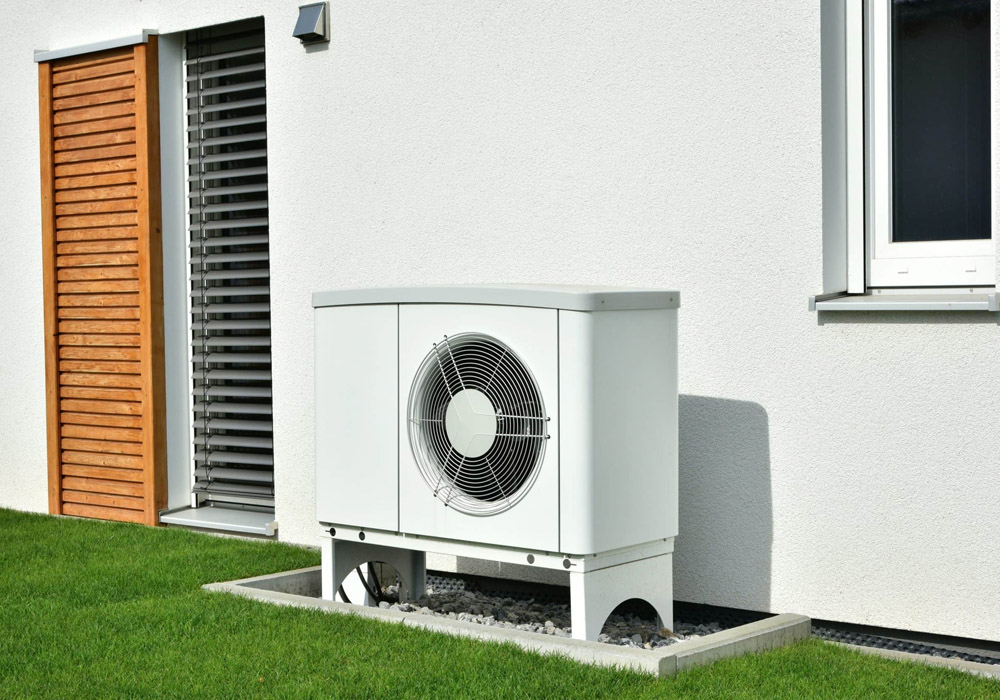
Heat pumps are gaining immense popularity as an efficient alternative to traditional heating and cooling systems. They come in various types to accommodate the broad spectrum of climates and household needs in Canada. The three main types are air-to-air, air-to-water, and geothermal systems. Air-to-air models are common in milder-winter areas and provide efficient heating and cooling by transferring heat between indoor and outdoor air. Air-to-water systems heat water for radiators or underfloor heating, making them ideal for colder climates.
Geothermal or ground-source heat pumps are the most energy-efficient option, using the earth’s stable underground temperature to provide heating and cooling. Though more expensive to install initially, they often result in substantial energy savings and long-term performance that can outperform conventional systems.
If you are seeking information on how these systems contribute to sustainable living, visit the Reliable Home Environment eco-friendly year-round home climate systems page. As Ottawa and the surrounding region’s trusted authority on home comfort solutions, Reliable Home Environment has developed an in-depth guide detailing the latest in heat pump technology and comprehensive advice for homeowners. Their resource is ideal for anyone considering upgrading to an eco-friendly home climate system, offering insight into product selection, installation best practices, and incentive programs tailored to the Ottawa area.
Assessing Your Home’s Heating and Cooling Needs
Every home has unique heating and cooling requirements that must be evaluated before selecting a new system. Factors such as the home’s square footage, insulation levels, window quality, and local temperature extremes all influence the sizing and type of heat pump that will deliver optimal results. Conducting a professional home energy audit can help you pinpoint areas where you may be losing heat or experiencing drafts, particularly in older homes.
In neighborhoods prone to Arctic-level winter temperatures, you will want to select a model capable of high-efficiency operation in subzero conditions. This careful evaluation ensures energy savings and consistent comfort, regardless of seasonal changes.
Prioritizing Energy Efficiency
Energy efficiency should be a top concern for every homeowner. When shopping for a heat pump, seek out models with high Seasonal Energy Efficiency Ratio (SEER) and Heating Seasonal Performance Factor (HSPF) ratings, which reflect their heating and cooling capabilities relative to energy use. The U.S. Department of Energy highlights the importance of these ratings, noting that modern heat pumps can significantly reduce household energy costs compared to older or less efficient systems.
Cold-climate heat pump models are specifically engineered to work efficiently even as temperatures plunge. These units frequently include features such as variable-speed compressors or enhanced defrost cycles, designed to deliver consistent comfort and savings through tough winters.
Considering Additional Features
Today’s heat pumps offer more than just temperature control. Many come equipped with advanced air filtration systems to improve indoor air quality, programmable or smart thermostats that adapt to your schedule, and quiet operation settings for minimal noise disruption. Some models allow for room-by-room control, letting you adjust temperatures across different floors or areas.
Identifying which features align closely with your household’s lifestyle and comfort preferences will help narrow your options and maximize satisfaction with your investment.
Ensuring Proper Sizing and Installation
Installing a heat pump involves much more than choosing a model and connecting it to your home. Correct sizing, determined by a load calculation, is essential. A unit that’s too small will operate continuously without reaching comfortable temperatures, leading to higher utility bills and premature wear. Conversely, an oversized unit may cycle on and off frequently, causing undue stress on components and uneven indoor temperatures.
Always rely on qualified professionals for the installation process, as they have the training and experience required to ensure safe, efficient, and code-compliant work. Their expertise ensures you will get the most out of your investment for many years to come.
Exploring Financial Incentives
The initial cost of a heat pump can be quite significant, but multiple government incentives and grant programs are available to help homeowners make the switch to high-efficiency heating and cooling. Federal and provincial programs offer rebates or direct financial assistance, and some programs even target specific efficient models. For instance, Hydro-Québec’s LogisVert Efficient Homes Program can provide substantial savings for eligible households. These incentives often make state-of-the-art systems accessible and appealing to a wider audience.
Maintaining Your Heat Pump
Routine maintenance is crucial to the long-term performance and efficiency of your heat pump. Basic tasks such as cleaning or replacing air filters, checking refrigerant levels, and assessing ducts and coils for debris should be performed regularly. A yearly professional inspection can preempt potential system failures, extend the life of your equipment, and ensure it operates at peak efficiency, protecting your investment and household comfort.
Consulting with Experts
Consulting with HVAC professionals is recommended at every stage of your decision-making process. Experts can provide insight into the best systems for your specific needs, properly size your heat pump, and ensure installation is handled correctly. Their guidance is especially valuable for homeowners seeking reliable performance and high returns on investment for years to come
Making an Informed Heat Pump Investment
Choosing the right heat pump involves balancing your home’s needs, energy efficiency, installation quality, and long-term maintenance. By researching your options, taking advantage of available incentives, and consulting qualified professionals, you can invest in a system that delivers reliable comfort, lower energy costs, and lasting performance for years to come.