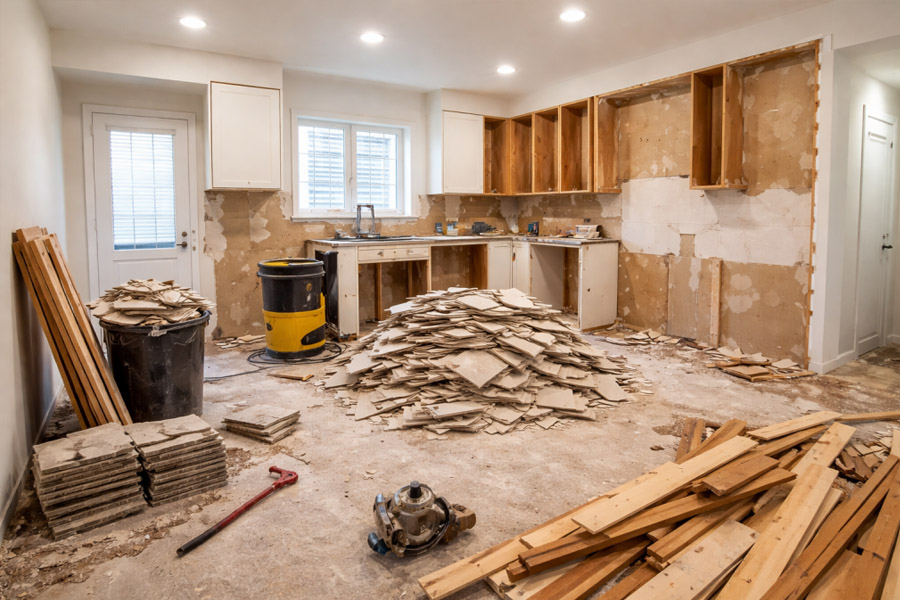
The exciting part of remodeling a home is imagining the finished room. New kitchen cabinets, fresh flooring, and a bathroom that finally works for the family tend to get most of the attention. The less exciting part arrives when the old materials come out. Pieces of drywall lean against a wall, torn flooring piles up in the hallway, and the garage starts filling with packaging before the new fixtures have even been installed.
Waste removal deserves a place in the renovation plan from the beginning. Residential dumpster rental can be useful when a project produces more debris than ordinary household collection can reasonably handle, but the best approach depends on what is being removed and how the work is scheduled. Homeowners considering American Dumpster Co should first understand the different waste streams their renovations might create, so they can discuss the job clearly instead of relying on a rough guess.
A tidy work area also affects the people living in the house. Keeping sharp scraps away from children, maintaining safe routes between rooms, and reducing dust tracked through shared spaces can make a demanding project much easier to live with.
Follow the Debris Through Each Stage of the Remodel
Renovation waste rarely appears all at once. During demolition, the biggest piles may consist of old cabinets, wallboard, trim, and damaged flooring. Later, the mess changes to cardboard, plastic wrapping, wood offcuts, empty containers, and broken materials from installation. Planning for both stages prevents the cleanup arrangement from ending too soon.
Kitchen Waste Is Often Awkward Rather Than Uniform
Kitchen cabinets can take up considerable space even when they are not especially heavy. Countertop pieces may be dense and difficult to lift, while tile and mortar create smaller but weightier loads. Before removing anything, decide which fixtures can be reused or donated and which have reached the end of their useful life.
Do not smash every item simply to make it smaller. Breaking materials can create sharp edges, airborne dust, and additional cleanup. Disassemble what you can safely manage, and let qualified trades handle removal involving electrical, plumbing, or structural systems.
Bathrooms Bring Moisture and Hidden Damage
Opening up a bathroom sometimes reveals damaged subflooring, deteriorated wall materials, or other problems concealed behind fixtures. This can increase the amount of waste beyond the original estimate. Suspected mold, asbestos-containing materials, or lead-based paint should be assessed and handled appropriately rather than placed into an ordinary debris load without guidance.
Keep wet materials from soaking clean flooring or nearby belongings. If water damage is present, identify and correct its source before rebuilding; removing damaged material alone does not solve the underlying issue.
Protect the Home Before Carrying Anything Out
A debris route should be treated like a temporary work corridor. Choose the shortest practical path from the remodeling area to the exit, then protect vulnerable floors and corners using materials suitable for the surfaces. Clear shoes, toys, furniture, and decorative items out of the way.
Dust barriers and ventilation controls can reduce the spread of particles, although the right measures depend on the work being performed. Avoid directing dusty air into occupied rooms. Close off the renovation area when possible, and use appropriate protective equipment for cutting and demolition tasks.
Think about the doorway, too. A wide cabinet that fits inside a room may be difficult to carry through a narrow hall. Measure large pieces or dismantle them safely before attempting to move them. Two people should handle awkward items when needed, and heavy objects may call for professional assistance.
Decide Which Materials Need Different Destinations
Not everything removed from a renovation belongs in the same waste stream. Clean metal, untreated wood, cardboard, and certain fixtures may have reuse or recycling options, depending on local facilities. Separate useful building materials early so they do not become buried under damaged debris.
A residential dumpster rental may be appropriate for mixed, permitted renovation waste, but it should not become a catchall for unknown substances. Leftover paint, solvents, adhesives, chemicals, batteries, and certain appliances can have special disposal requirements. Ask the provider and local waste authority about accepted materials before loading.
For example, a homeowner replacing bathroom tile may have bags of broken ceramic, empty adhesive packaging, and partially used chemical products. The first two might have an approved disposal route depending on the service terms, while the chemical products may need entirely different handling. Keeping them separate at the point of removal saves a difficult sorting job later.
Match Collection to the Renovation Calendar
A contractor may be ready to remove old flooring on Monday, while the new floor is not scheduled for installation until Thursday. If the debris stays inside during that gap, it can interfere with preparation and create unnecessary hazards. On the other hand, arranging collection before demolition starts may use up valuable rental time.
Discuss the sequence with whoever is managing the renovation. Identify the days when debris will be heaviest and whether there is a realistic finish date for loading. For larger jobs, it may be worth planning collection around separate phases rather than assuming a single pickup will cover everything.
American Dumpster Co can be approached with that schedule in hand: the type of work, likely materials, access to the property, and expected loading period are all relevant details to share. Ask about container suitability and rental terms instead of assuming that one arrangement fits every remodel.
Allow for Changes Without Letting Waste Take Over
Renovations often uncover surprises. A damaged section of subfloor may need replacement, or a wall repair may involve more material than expected. Keep an eye on the remaining container space as work progresses and communicate changes promptly. For residential dumpster rental, changes in the debris mix may be just as important as changes in volume. That is easier than discovering on the final day that the remaining debris will not fit.
Keep the Worksite Safe While the House Is Occupied
Many families continue living at home during renovations. That means the route used by workers may also be the route to a bedroom, kitchen, or front door. Establish clear working hours and identify areas that should remain off-limits to children and pets. Never allow loose nails, sharp tile fragments, or unsecured boards to collect where people walk.
Use sturdy containers for small sharp debris, and avoid overloading bags that may tear when lifted. For materials that create dust or fibers, follow the appropriate handling guidance rather than sweeping everything dry into the air. Workers should not throw debris from upper floors unless a properly designed and controlled disposal method is in place.
The goal is not a perfectly clean construction zone every hour. It is a site where people can move safely and the next stage of work can begin without first clearing yesterday’s mess.
Plan for Packaging After the Demolition Ends
New materials arrive wrapped and boxed. Large appliances, cabinets, flooring, and fixtures can produce a surprising amount of cardboard, foam, film, and protective wood. Reserve room for this later-stage waste instead of filling every available space with demolition debris. When confirming pickup arrangements with American Dumpster Co, explain whether packaging and installation scraps will continue to accumulate after the main demolition phase.
Flatten clean cardboard and keep recyclable packaging separate where suitable collection is available. Inspect boxes before disposal for small hardware, instructions, spare parts, and fittings that may be needed during installation. It is frustrating to lose a needed component inside a pile of discarded packaging.
Before arranging the final collection, walk through the work area with the contractor or household member overseeing the project. Look behind temporary storage areas, under worktables, and along exterior paths where cutoffs may have landed. Confirm that no materials intended for installation were placed with the waste.
Finish the Renovation Without Leaving a Second Cleanup Project
A successful remodel should end with a usable room, not a driveway full of scraps and boxes. Coordinate the last removal with the final stages of work, then inspect the paths, storage areas, and surfaces used during construction. Check for stray fasteners and sharp fragments before normal household activity resumes.
The value of residential dumpster rental is greatest when it supports a broader plan: protect the house, separate materials sensibly, keep the work area accessible, and remove debris at the right time. American Dumpster Co can be part of those arrangements, but homeowners still benefit from knowing what their particular renovation will produce. That knowledge helps the finished space feel like an improvement from the moment the tools are put away.