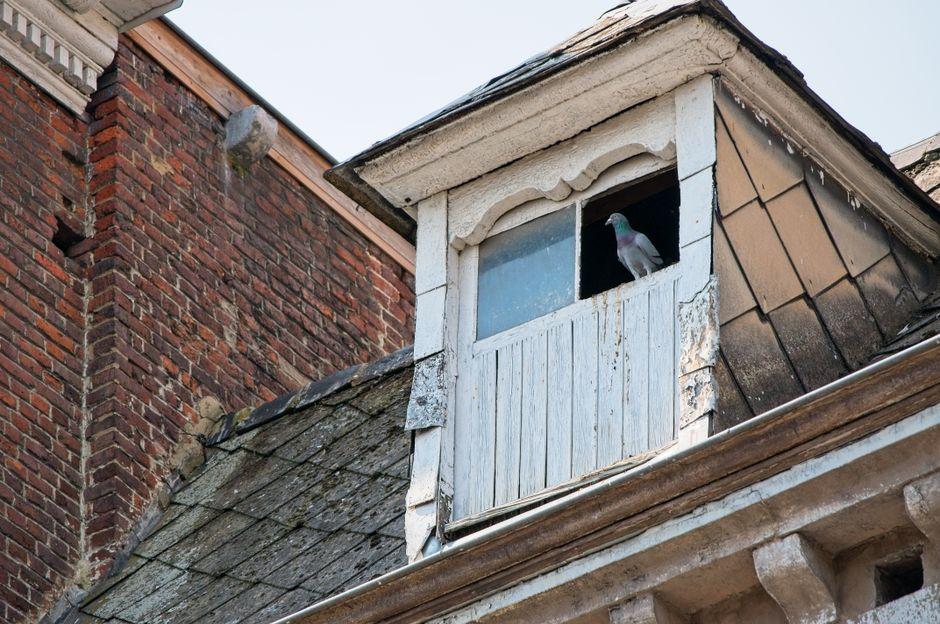
Hearing odd sounds above the ceiling can be unsettling, especially at night, observes the N Property Group team. Scratching, fluttering, chirping, or light movement in the attic often means more than a house settling. In many cases, these noises point to wildlife using the attic for shelter. A faint scratch at dusk, droppings near the attic hatch, or a growing musty odor can all be early warning signs.
There is no reason to panic, but there is a reason to pay attention. Acting early, avoiding risky do-it-yourself methods, and understanding what might be causing the noise can make the issue easier to solve and help prevent more serious damage later.
Start with clues
Most attic wildlife problems begin with subtle signs. Many homeowners first notice scratching or fluttering around sunset, or faint chirping during warmer months. Droppings near attic access points, along upper walls, or close to the roofline are also common clues. Often, these signs show up well before anyone actually sees an animal.
Odor can be just as revealing. A musty smell may develop slowly and seem easy to dismiss at first. As animal activity continues, the smell usually gets stronger and harder to ignore. Dark stains near soffits, vents, or roof openings may also suggest repeated use of the same entry points.
Different animals create different sounds and patterns of activity. Mice, squirrels, birds, and bats can all end up in attics, but they do not behave the same way. Bats, in particular, tend to give themselves away through dusk fluttering, ammonia-like odor from guano, and staining around their entry points, and a colony only grows larger the longer it is left alone. Hire bat removal services to inspect the attic, seal every entry point, and evict the colony before the damage and cleanup costs climb.
Why bats move in
Bats usually enter attics for simple, practical reasons. They want warmth, shelter, and a safe place to roost. An attic protects them from rain, wind, and many predators while staying dark and quiet during the day. From a bat’s perspective, it can be an ideal temporary home.
Small structural gaps are often what let them inside. Openings near soffits, vents, flashing, roof joints, or trim may seem insignificant to a homeowner, but they can still be large enough for bats to use. Older homes, aging roofs, and worn exterior materials often create more opportunities for entry.
Season matters too. During warmer months, bats may look for secure roosting spots for part of the year. A sheltered attic space offers many of the conditions they need. While homeowners may think of the attic as little more than storage space, wildlife may see it as comfortable shelter.
Risks worth knowing
Staying calm is important, but so is understanding the risks. Bat droppings can build up over time, creating strong odors and leaving stains on insulation, wood, and drywall. If the activity continues for too long, cleanup can become much more involved than many people expect.
Noise is another concern. Even soft scratching or fluttering can become frustrating when it happens night after night, especially near bedtime. Many people describe it as a rustling or crinkling overhead. It may not be loud, but repeated disturbance can disrupt sleep and create ongoing stress.
The most important safety rule is to avoid direct contact. Wild animals may bite when frightened, and trying to handle them without training increases the risk of injury. DIY removal can also make the problem worse by missing hidden entry points, trapping animals inside, or driving them deeper into the home. What seems like a quick fix can easily become a more expensive and complicated problem.
Check your home safely
You can still do a basic inspection without putting yourself at risk. Start outside during daylight and look closely at the roofline, vents, soffits, chimney edges, and areas where building materials meet. Watch for small gaps, dark staining, or signs that one spot is being used repeatedly.
You can also inspect around attic access points inside the home. Droppings near the hatch or in corners near the eaves can help confirm activity above. Use a flashlight if needed, but keep your distance and avoid touching anything. There is no need to crawl into tight spaces or disturb the area to gather useful information.
One of the biggest mistakes homeowners make is sealing openings too soon while animals may still be inside. Blocking entry points immediately can trap them in walls or push them farther into the house. It is also best not to poke, spray, or try to scare them out. Careful observation helps; aggressive DIY action usually does not.
Prevention that helps
Prevention works best when it becomes part of regular home maintenance. Once you know the animals are gone, repair small gaps around fascia, vents, soffits, roof joints, and trim. Replace damaged screens and secure loose exterior materials before they become easy entry points.
Tree branches hanging close to the roof can make it easier for some animals to access the house, so trimming them back is a smart step. It will not prevent every wildlife issue, but it does reduce convenient routes to the attic. Gutters and roof edges should also be kept in good condition, since water damage can eventually create new openings.
Inside the attic, keeping the space dry and well-maintained also matters. Moisture problems, damaged materials, and neglect can attract more than one kind of pest or wildlife. Prevention may not be exciting, but routine upkeep can save you from expensive repairs and difficult cleanup later.
When timing matters
Timing plays a major role in wildlife removal. During certain times of year, young animals may be present and unable to leave on their own. If openings are sealed too early, animals can become trapped inside, leading to stronger odors, more noise, and a much harder cleanup process.
That is why rushing is not always the best response. Before removal or exclusion work begins, it is important to identify the animal involved and consider whether the season affects the safest solution. Humane removal often depends on patience, proper timing, and methods that allow animals to leave without returning.
This is especially true with bats. Their seasonal patterns can determine when exclusion is both appropriate and effective. A calm, informed plan is usually safer and more successful than reacting out of frustration.