As we progress through 2026, residential home remodeling is experiencing significant transformations. Homeowners are increasingly seeking innovative solutions that enhance functionality, sustainability, and aesthetic appeal. Understanding these emerging trends is crucial for anyone considering a renovation project. Collaborating with a reputable home renovation contractor like Jensen Pro Construction can provide expert guidance tailored to these evolving trends. Based in Utah Valley, Jensen Pro Construction specializes in basement renovations and bespoke home improvements, ensuring each project aligns with the latest industry standards and homeowner preferences.
Emphasis on Sustainable Materials
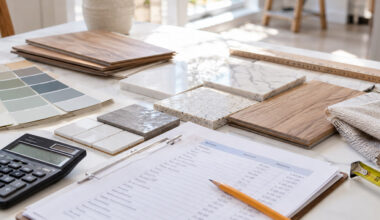
Eco-friendly materials are at the forefront of remodeling choices. Homeowners are opting for sustainable options like reclaimed wood, recycled metal, and energy-efficient appliances. This shift not only benefits the environment but also offers long-term cost savings. Beyond environmental benefits, sustainable materials also improve indoor air quality and create healthier living environments. For instance, low-VOC paints and natural flooring materials such as bamboo or cork are gaining traction. Many of these materials are highly durable, reducing the frequency and cost of future repairs. Furthermore, builders are now emphasizing transparency in sourcing materials, and local sourcing is increasingly popular, as it not only supports local economies but also reduces the carbon footprint associated with long-distance shipping. Many homeowners appreciate the unique character reclaimed materials add, offering a sense of history and individuality to the space. Modern renovations further extend sustainability through advanced insulation, high-efficiency windows, and environmentally mindful landscaping techniques such as xeriscaping. Together, these approaches make today’s renovated homes both more beautiful and more responsible.
Integration of Smart Home Technology
The incorporation of smart home technology continues to rise. Features such as automated lighting, climate control, and security systems are becoming standard in modern renovations, providing convenience and enhanced energy efficiency. In addition to the basics, the smart home tech ecosystem now encompasses Wi-Fi- and Bluetooth-connected appliances, voice-activated systems, and integrated routines that streamline daily life. For example, smart refrigerators can provide inventory lists and recipe suggestions, while intelligent irrigation systems optimize watering schedules, conserving water and reducing costs. The integration of technology is also seen in home entertainment, with built-in speakers and media centers seamlessly concealed within cabinetry and walls. These advances make homes both more user-friendly and future-ready, granting increased control and adaptability for evolving family needs. Security remains paramount, and smart surveillance systems, including doorbell cameras, window sensors, and motion detectors, help homeowners monitor their property from anywhere in the world. These advances are particularly attractive in family homes and short-term rental properties for added peace of mind.
Open-Concept Living Spaces
Open floor plans remain popular, promoting a sense of spaciousness and facilitating better social interaction. Removing unnecessary walls to create a seamless flow between living, dining, and kitchen areas is a common remodeling goal. This aesthetic not only maximizes natural light but also creates versatile multi-use spaces suited to modern lifestyles. Kitchens with expansive islands become central hubs for family gatherings, homework, or casual dining. Living rooms flow effortlessly into dining areas, making it easier to host guests and entertain larger groups. Moreover, open-concept spaces offer greater flexibility; homeowners can easily reconfigure furniture to suit their needs, whether working from home, exercising, or homeschooling their children. To delineate zones within open spaces, designers are using thoughtfully placed furniture, area rugs, and subtle architectural details such as partial dividers or double-sided fireplaces. These elements preserve the open feeling while providing some definition between functional areas.
Focus on Outdoor Living Areas
Expanding living spaces to the outdoors is a growing trend. Homeowners are investing in decks, patios, and outdoor kitchens to create versatile areas for relaxation and entertainment. Today’s outdoor improvements go beyond traditional patios. Homeowners are building covered areas with weather-resistant furniture, heating elements, and even fully equipped kitchens, including sinks, refrigerators, and pizza ovens. Lush landscaping, integrated fire pits, and water features create a resort-like ambiance year-round. For families, outdoor work and play spaces have become important, particularly with the rise in remote work and learning. Proper lighting, Wi-Fi extenders, and built-in seating areas ensure that outdoor spaces are just as functional as their indoor counterparts. This connection to nature improves quality of life and can increase a property’s resale value.
Use of Bold Colors and Textures
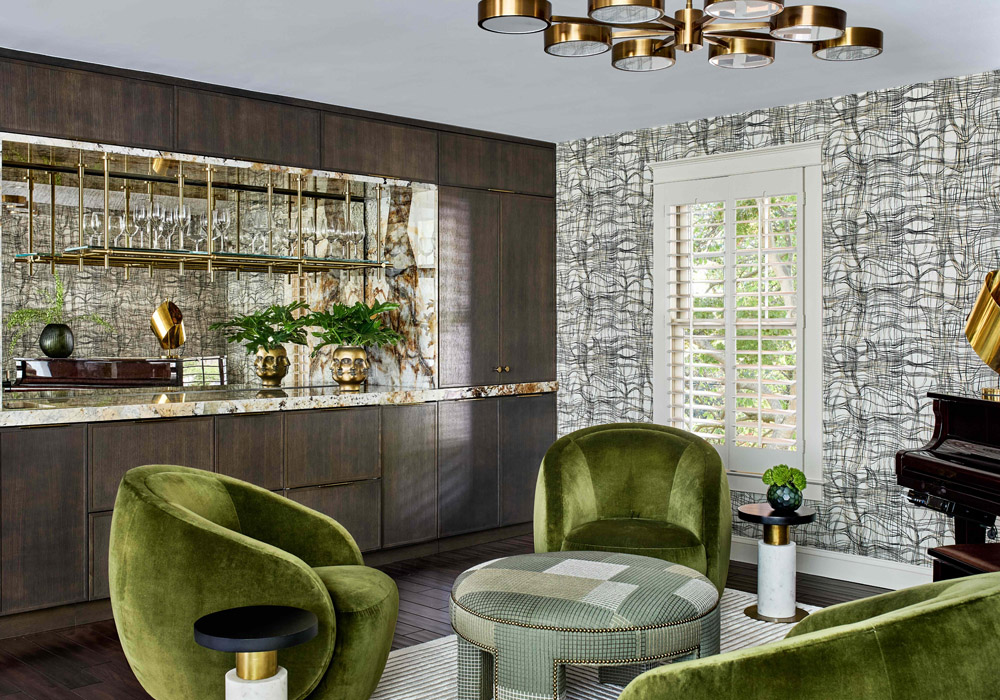
There’s a noticeable shift towards bold colors and diverse textures in interior design. Vibrant hues and mixed materials add personality and depth to renovated spaces. In 2026, accent walls with deep blues, jewel-toned greens, or warm terracottas are making a statement. Textural contrasts, such as pairing smooth marble with rough-hewn wood or sleek metal with plush upholstery, create tactile interest and visual balance. Homeowners are increasingly confident in their choices, using bold tiles, patterned wallpapers, and statement lighting to express individuality. Layering textures through rugs, curtains, and accent pillows further enhances rooms, elevating the comfort and elegance of renovated interiors. These design elements make spaces feel curated, sophisticated, and uniquely tailored to the homeowner’s taste.
Incorporation of Wellness Features
Wellness-focused design elements, such as home gyms, spa-like bathrooms, and improved indoor air quality systems, are gaining popularity as homeowners prioritize health and well-being. Modern renovations include amenities such as infrared saunas, steam showers, and calming water features. Home gyms, meditation spaces, and yoga studios are becoming more common, often designed to maximize exposure to natural light and tranquil views. Attention to air and water quality through advanced filtration and purification systems supports healthy living in the home environment. Additionally, designers are capitalizing on biophilic design principles, incorporating natural materials, living walls, and expansive windows to foster a strong connection with the outdoors, all of which contribute to a sense of balance and well-being.
Trends in Basement Renovations
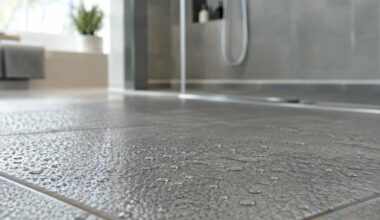
Basement remodels are at the forefront of value-adding home renovation projects in 2026. Once underutilized, basements are now being transformed into high-functionality areas, such as home theaters, multi-generational living suites, home offices, or even rental units for supplemental income. Modern basements feature waterproof flooring, energy-efficient insulation, and egress windows for safety and comfort. Designers are embracing light-reflective surfaces and open layouts to combat the typically lower natural light in basements, while smart storage solutions and integrated tech ensure that functionality is never sacrificed. By working with an experienced contractor such as Jensen Pro Construction, homeowners can unlock the full potential of their basement space and increase their home’s overall utility and market value.
Universal and Aging-in-Place Design
Another important trend is the focus on universal design and aging-in-place solutions. Homeowners, whether planning for retirement or considering multigenerational living, are incorporating features that enhance accessibility and comfort for people of all ages and abilities. Common updates include wider doorways, zero-step entries, smart faucets, non-slip flooring, and accessible showers. These innovations ensure that the home remains both beautiful and functional as needs evolve, eliminating the need for frequent, costly remodels down the road. Thoughtful lighting and adaptable cabinetry further enhance convenience without compromising aesthetic appeal.
Conclusion
Staying informed about these trends can help homeowners make strategic decisions that enhance both the functionality and value of their properties. For those in the Utah Valley area, partnering with a reputable home renovation contractor like Jensen Pro Construction ensures access to expert guidance and quality craftsmanship tailored to these evolving trends. Ultimately, the 2026 remodeling landscape is defined by thoughtful planning, innovation, and a blend of comfort, style, and sustainability. By embracing these trends and working with skilled professionals, homeowners can create living spaces that meet both present and future needs, ensuring satisfaction and value for years to come.