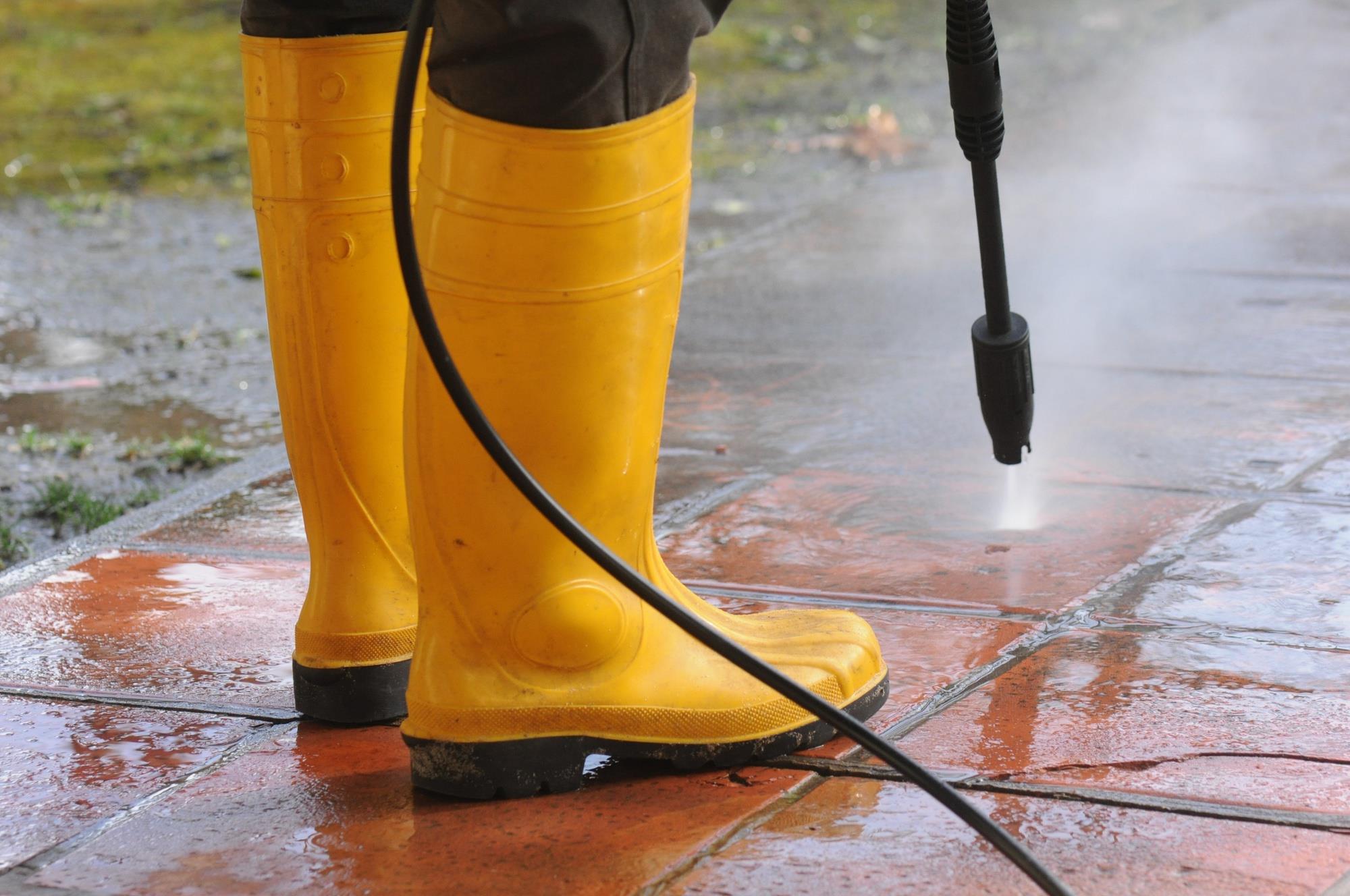
Bad weather and muddy shoes quickly ruin outdoor walkways and walls. A basic garden hose just pushes wet dirt around instead of lifting it. Pressurized water cuts straight through thick buildup in minutes. This simple habit keeps properties clean and stops materials from cracking down the line.
Why Regular Exterior Washing Protects Your Property
Every storm leaves behind a sticky layer of soil, pollen, and road grease. After a couple of dry weeks, that film bakes into the exterior walls and paving tiles. The house ends up looking gray and neglected. High water pressure cuts right through the residue and brings the original surface color back. It is probably the cheapest way to make an older property look maintained again.
Grime does more than just ruin appearances. Patches of green algae act like wet sponges against exterior timber and mortar joints. When the temperature drops below freezing, trapped water turns to ice and breaks bricks apart. Outdoor mold also releases spores right next to basement vents and low windows. These particles make their way inside and trigger coughing fits in people with sensitive lungs. A thorough seasonal spray-down gets rid of the rot before it turns into an expensive foundation repair.
The Practical Benefits of Choosing Professional Help
A lot of people rent a washer from a local hardware store to do the job themselves. But powerful water gear is hard to balance if you have no real experience. One wrong move can strip good paint, chip soft stone, or crack window glass. The sudden kick from the water gun can even knock you off your balance. Paying to fix broken siding costs way more than calling a pro in the first place.
Trained crews know how to match water pressure and soap to each exact material. They bring solid commercial rigs that clean large driveways quickly and evenly without leaving zebra stripes. Hiring dependable pressure cleaning services takes all the guesswork out of the project. A crew finishes the whole yard in a couple of hours while you relax. You save your free weekend time and keep your siding completely safe from damage.
Essential Outdoor Areas That Need Regular Washing
Some parts of your property get hit way harder by daily life than others. Cars leak fluids, shoes bring in mud, and roof runoffs leave dark streaks along ground paths. You can walk around your yard once a season to see what spots need help first.
Keep an eye out for dirt on these main spots:
- Concrete driveways and walking paths that pick up dark oil drops and sticky black tire tracks. Leaking motor fluids soak straight into open masonry pores. Vehicles grind that loose road grit into the surface every single day. A standard hose nozzle never gets deep enough to lift those dark spots.
- Wood decks and flat patio tiles that get green and slippery after rainy weeks. Wet timber boards quickly develop a slick algae layer in shaded corners. This damp film creates serious slip hazards for children and guests alike. It also speeds up wood decay under outdoor furniture legs.
- House walls and gutters that collect dust, stuck tree pollen, and thick spider webs. Wind pushes dry dirt straight into wall panel seams and window joints. Full gutters spill dirty overflow water down exterior siding during heavy downpours. That spillage leaves dark drip lines that ruin fresh paint jobs.
- Backyard fences and border walls that turn ugly and gray from wet soil splashes. Mud splatters from lawn mowers and heavy rain lower fence slats. Mineral runoff from garden soil discolors stone borders and masonry retaining blocks. Regular washing restores the original texture before moisture splits the boards.
Each material handles moisture and water pressure in its own unique way. Thick concrete can take a strong blast, but wooden planks will splinter if you push too hard. Washing these main problem zones early stops decay from spreading deep into the boards and joints. Clean walkways also mean nobody slips on wet moss on their way to the car.
Understanding High Pressure versus Soft Washing
Hard concrete driveways and thick stone paths handle maximum water power without any problem. A sharp stream digs straight into the tiny holes of the stone and pushes out old grease. You do not even need strong bleach or harsh chemicals to get a spotless look. Pure water flow does most of the heavy lifting on solid ground. But you cannot use that same hard blast on the rest of the house.
Delicate building components need a lighter touch than raw concrete. Soft washing uses standard hose pressure paired with targeted cleaning agents. The solution loosens mildew, lichens, and stubborn dirt on contact without gouging soft surfaces. Roof shingles, stained timber planks, and vinyl wall panels remain completely safe during this process. Keeping the pressure dial turned down prevents liquid from blasting past window seals and entering wall cavities.
Smart Yard Maintenance and Seasonal Care
Simple outdoor routines keep surfaces presentable between scheduled washings. Sweeping dry leaves off wood decks prevents rot from taking hold. Clear gutters stop murky rainwater from cascading straight down fresh exterior walls. Homeowners should also adjust garden sprinklers away from fences to avoid mineral streaks. An annual spray-down stops deep-seated grime from becoming a permanent stain.
Dark flags on walkways and slick patches on stone require prompt attention. Slippery paths create safety hazards for anyone stepping outside after rain. Property owners should contact local pressure washing teams today to request a free quote and secure an appointment.