Designing a home office that remains organised requires careful planning and the right selection of furniture and accessories. Creating a space that promotes productivity while maintaining order involves selecting appropriate tables and desks as well as efficient storage solutions.
Choosing the Ideal Desk
The desk forms the cornerstone of any home office. When designing a functional workspace, consider desks that not only fit the available space but also offer features that aid organisation. Opting for adjustable or modular desks can create versatility, allowing users to tailor the workspace to their specific needs.
Desk Surface and Size
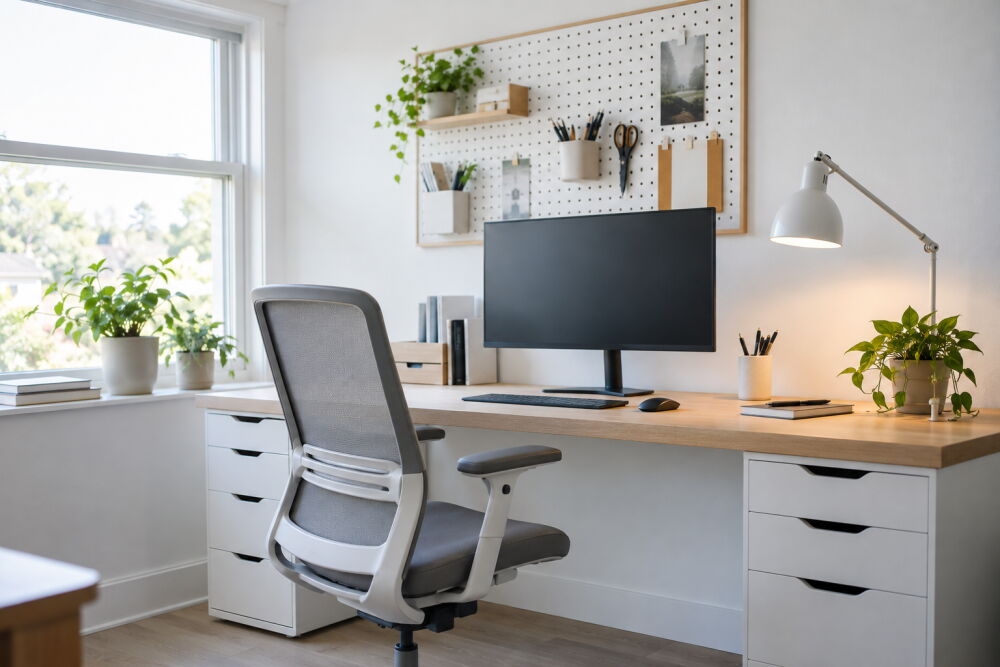
A generous desktop provides sufficient space for equipment such as computers, stationery, and essential documents. Selecting a desktop made from durable and easy-to-maintain materials can support a clutter-free environment and withstand the rigours of daily use.
Effective Storage Solutions
Storage plays a critical role in maintaining an organised home office. Implementing shelves, drawers, and organisers allows for systematic arrangement of items and quick access when required. Proper storage reduces distractions and supports a neat workspace.
The Utilisation of Pegboard Organisers
Pegboard organisers offer a practical and visually appealing method to store office supplies and tools. Their modular design enables users to customise the layout according to changing needs, making them an excellent addition for maintaining order. Incorporating a pegboard organiser can significantly improve workspace functionality and aesthetic appeal.
Lighting and Accessibility
Ensuring adequate lighting is essential for eye comfort and concentration. Positioning the desk near natural light sources can enhance the working atmosphere. In addition, including adjustable task lighting provides flexibility for various activities.
Ergonomics and Comfort
Ergonomic considerations promote wellness and efficiency. Selecting a supportive chair and correctly positioning the desk and computer screen can prevent discomfort and health issues. Incorporating adjustable furniture enables users to maintain proper posture throughout working hours.
Colour Scheme and Decoration
A well-chosen colour scheme contributes to a calming and focused environment. Neutral tones with subtle accents can enhance concentration by minimising distractions. Including minimal decoration preserves the organised nature of the home office while injecting personal style.
Technology Integration
Modern home offices often incorporate multiple devices. Incorporating cable management systems avoids tangled cords and contributes to a tidy workspace. Choosing furniture with built-in features for technology organisation supports a seamless workflow.
Maintaining Organisation
Establishing routines for tidying the workspace ensures lasting order. Regularly reviewing storage solutions and decluttering can prevent accumulation of unnecessary items. Encouraging consistent habits complements the design efforts.
Space Optimisation
Maximising the use of available space is fundamental, especially for smaller home offices. Consider vertical storage options and multi-functional furniture. Proper arrangement enables free movement and a comfortable working area.
Conclusion
Designing a home office that stays organised involves a combination of the right furniture, efficient storage, proper lighting, and ergonomic considerations. Investing in quality tables and desks, a durable desktop, and a versatile pegboard organiser ensures the creation of a functional and orderly workspace. With thoughtful planning and maintenance, a home office can be a productive and organised environment that supports professional success.