Core Components and Inspection Priorities in HVAC System Maintenance
At the heart of any effective HVAC system maintenance strategy lies a deep understanding of its core components and the specific inspection priorities each demands. From large-scale commercial setups to smaller distributed systems, the principles remain consistent: regular, targeted attention prevents costly failures and ensures optimal performance.
Our focus begins with the major mechanical workhorses: air handlers (AHUs), chillers, and cooling towers. Air handlers, responsible for circulating and conditioning air, require meticulous inspection of their filters, coils, fans, and drain pans. Clogged filters, for instance, lead to increased static pressure and reduced airflow, forcing the fan motor to work harder and consume more energy. Chiller efficiency, on the other hand, is heavily influenced by factors like approach temperatures in the evaporator and condenser, which indicate heat transfer effectiveness. Any deviation from design specifications, such as an approach temperature exceeding 3°F, can signal fouling or refrigerant issues, demanding immediate attention. Cooling towers, vital for rejecting heat, are prone to scale buildup and the proliferation of harmful bacteria like Legionella, necessitating stringent water treatment and basin inspections.
Beyond these giants, critical components like evaporator and condenser coils must be kept clean to facilitate efficient heat exchange. Dirty coils act as insulators, hindering performance and driving up energy consumption. Monitoring compressor amperage provides insight into its operational load and health, while inspecting motor drives and belts ensures proper power transmission and prevents unexpected breakdowns. For businesses seeking comprehensive heating and cooling infrastructure, understanding these interdependencies is key to maintaining a resilient and efficient environment.
Critical Airflow and Filtration Standards
Airflow and filtration are the lungs of an HVAC system, directly impacting indoor air quality (IAQ) and system efficiency. Regular maintenance here is non-negotiable. We closely monitor MERV (Minimum Efficiency Reporting Value) ratings, ensuring that filters meet specified standards for particle removal. For commercial spaces, a minimum of MERV 13 is often recommended as of September 2026 to adequately filter airborne contaminants.
Crucially, we track static pressure across filters and coils. An increase in static pressure indicates restricted airflow, typically due to dirty filters or coils, which can significantly reduce system capacity and increase fan energy consumption. Best practices dictate filter replacement based on pressure differential readings rather than a fixed calendar schedule alone. For example, pre-filters might be replaced monthly if their pressure drop exceeds 0.5 inches water gauge. Furthermore, we inspect fan belts for proper tension and wear, as slipping belts can lead to reduced airflow and premature motor failure. Damper linkages must also be checked for free movement and proper calibration to ensure accurate airflow control and prevent conditioned air from escaping. Adhering to ASHRAE (American Society of Heating, Refrigerating and Air-Conditioning Engineers) compliance standards is fundamental to maintaining optimal IAQ and operational efficiency.
Hydronic Utilities and Refrigerant Diagnostics
For many commercial and industrial facilities, hydronic systems and refrigerant circuits are integral to HVAC operations. Water pumps, essential for circulating chilled or heated water, require regular inspection for leaks, bearing wear, and proper motor operation. Similarly, air compressors, often used in pneumatic control systems or industrial processes, need their filters, oil levels, and pressure settings checked to ensure reliable operation.
A critical concern for cooling towers is the management of Legionella bacteria. ASHRAE Standard 188 mandates monthly inspections of cooling tower basins and adherence to strict water treatment protocols to mitigate this public health risk.
In refrigerant circuits, accurate diagnostics are paramount. We utilize superheat diagnostics for fixed-orifice systems and subcooling measurements for systems with thermostatic expansion valves to verify the correct refrigerant charge. Simply “topping off” a system without identifying and repairing leaks is not only inefficient but also environmentally irresponsible and violates EPA (Environmental Protection Agency) guidelines under Section 608. Leak detection methods, such as electronic sniffers or UV dye, are integral to our maintenance routines to ensure compliance and prevent refrigerant loss.
Developing an Actionable Preventive and Predictive Maintenance Schedule
Moving beyond individual components, developing a structured maintenance schedule is the cornerstone of HVAC reliability. We advocate for a blend of preventive and predictive strategies, moving away from reactive, “fix-it-when-it-breaks” approaches. Reactive maintenance can cost three to five times more than planned preventive work due to emergency call-out fees, expedited parts, and lost productivity.
Our approach integrates scheduled servicing based on manufacturer recommendations and industry best practices with advanced condition monitoring. Runtime tracking, for instance, helps us understand equipment utilization and schedule maintenance based on actual operating hours rather than arbitrary calendar dates. Condition monitoring techniques, such as infrared thermography, can identify hot spots in electrical connections or motor windings before they lead to failure. Vibration analysis on rotating equipment like fans and pumps can detect early signs of bearing wear or misalignment, allowing for proactive intervention.
| Maintenance Strategy | Description | Key Benefits | Drawbacks |
|---|---|---|---|
| Reactive | Repairing equipment only after it has failed. | Low initial planning cost. | High repair costs, unplanned downtime, safety risks, reduced equipment lifespan. |
| Preventive | Scheduled inspections, cleaning, and parts replacement at fixed intervals (e.g., monthly, annually). | Extends equipment life, reduces breakdowns, maintains efficiency, improves safety. | Can lead to unnecessary maintenance, may miss developing issues between scheduled checks. |
| Predictive | Using condition-monitoring data (e.g., vibration, thermography) to forecast failures and schedule work. | Optimizes maintenance timing, minimizes downtime, maximizes equipment life, reduces maintenance costs. | Requires investment in monitoring technology and skilled personnel, more complex to implement. |
Essential Checklists for Preventive HVAC System Maintenance
A robust preventive maintenance (PM) program relies on comprehensive, equipment-specific checklists. These checklists guide technicians through monthly inspections, quarterly servicing, and critical seasonal changeovers, ensuring no vital task is overlooked.
For example, monthly checks might include filter inspections, condensate drain flushing, and visual checks of belts and motors. Quarterly tasks could involve more detailed coil cleaning, lubrication of moving parts, and inspection of electrical connections. Seasonal changeovers are particularly critical:
- For winter readiness: We test freeze stats to prevent coil damage, verify heating coil valve operation, confirm BMS warm-up sequences, inspect and insulate exposed piping, and drain or blow out cooling tower basins. Combustion analysis on heating equipment is performed to ensure safe and efficient operation, checking for proper air-fuel mixture and monitoring for carbon monoxide (CO) levels. Heat exchangers are inspected for cracks, which should be replaced, not repaired, for safety.
- For summer readiness: We focus on cleaning condenser coils, verifying refrigerant charge (using superheat/subcooling), checking compressor operation, and ensuring cooling tower functionality.
These structured approaches, often guided by standards like ANSI/ASHRAE/ACCA Standard 180, ensure that equipment is prepared for peak demand and operates safely and efficiently throughout the year.
Calibration, Metrology, and Common Operational Pitfalls
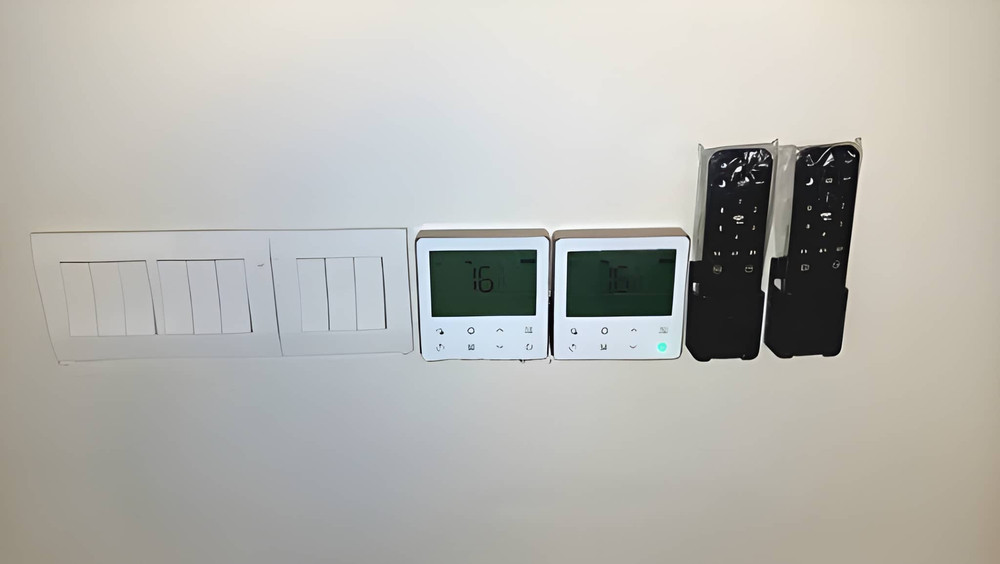
Precision in HVAC maintenance hinges on accurate calibration and metrology. Sensors, the eyes and ears of a building automation system, are prone to sensor drift over time, leading to inaccurate readings and inefficient system operation. Regular calibration of temperature, humidity, and pressure sensors against known references is crucial. Similarly, thermostats must be calibrated to ensure they accurately reflect and control space temperatures.
One of the most commonly neglected components, yet a significant energy saver, is the economizer. These systems use outdoor air for “free cooling” when conditions are favorable. However, if economizer dampers are not properly calibrated or if outdoor air sensors are inaccurate, the system may fail to utilize free cooling, leading to substantial energy waste. Annual checks of damper travel and sensor calibration are essential.
Another pitfall is static balance drift within the air distribution system. Changes in occupancy, tenant modifications, or simple wear and tear can alter airflow patterns, leading to uncomfortable hot/cold spots and reduced efficiency. Regular rebalancing helps maintain optimal airflow. Finally, overlooking the electrical side can lead to over-amping motors, which not only wastes energy but also shortens motor lifespan. We use ISO calibration and maintenance standards to ensure consistent quality and accuracy across all these critical tasks, preventing common operational mistakes that escalate energy consumption.
Building Automation and Advanced Energy Optimization Techniques
Modern HVAC system maintenance extends far beyond manual inspections; it integrates deeply with building automation systems (BAS) to achieve advanced energy optimization. A well-implemented BAS acts as the central nervous system of a facility, orchestrating the operation of HVAC equipment, lighting, and other building services.
Our work involves optimizing BAS architecture and ensuring seamless communication through protocols like BACnet. This allows for centralized monitoring and control, enabling facility managers to track energy usage patterns through sub-metering and energy tracking modules. Trend logging, which records data points over time, is invaluable for identifying performance degradation, abnormal operation, and opportunities for improvement. After any significant maintenance or system upgrade, recommissioning ensures that the system operates according to its design intent and delivers expected performance. By leveraging these technologies, we help facilities achieve truly energy-efficient HVAC solutions that not only reduce operational costs but also contribute to a more sustainable footprint.
Integrating Smart Automation with HVAC System Maintenance
The convergence of smart automation with HVAC systems offers unprecedented opportunities for energy savings. Networked lighting controls (NLC), for instance, can be integrated with HVAC systems to leverage occupancy data. Occupancy sensors, primarily used for lighting, can also signal the HVAC system to reduce ventilation or adjust temperatures in unoccupied zones. This strategy, often combined with daylight harvesting, can lead to significant energy reductions. Research indicates that integrating lighting and HVAC controls can cost-effectively save 5-20% of total building energy usage, with HVAC-specific savings ranging from 12-17%.
Zone control and Variable Air Volume (VAV) boxes are fundamental to this integration, allowing precise conditioning of specific areas based on real-time demand. This avoids over-conditioning unoccupied or less-used spaces. The challenge lies in the technical integration, often involving BACnet licensing and gateway costs, but the long-term energy savings and improved occupant comfort typically outweigh these initial hurdles.
Fault Detection Diagnostics and Performance Data Analytics
The power of BAS is fully realized through fault detection diagnostics (FDD) and performance data analytics. FDD continuously monitors system parameters against predefined rules or baselines to identify operational anomalies or equipment faults in real-time. This enables continuous commissioning, where the system is constantly optimized rather than only during periodic checks.
Automated alerts notify facility managers of issues such as a damper stuck open, a sensor providing erroneous readings, or a chiller operating outside its efficiency curve. By establishing baseline metrics for energy consumption and performance, any deviation can be quickly flagged. Data analytics also helps identify peak demand periods, airflow drift, and allows for energy benchmarking against similar facilities or design specifications. This data-driven approach transforms maintenance from reactive guesswork to proactive, informed decision-making, significantly improving system performance and reducing downtime.
Asset Management, Safety Protocols, and Professional Standards
Effective HVAC system maintenance is not just about technical expertise; it also encompasses robust asset management, stringent safety protocols, and adherence to professional standards. These elements ensure that maintenance operations are efficient, safe, and contribute to the long-term reliability of the equipment.
Managing spare parts inventory is a critical, often overlooked, aspect. An optimized inventory ensures that necessary components are available for timely repairs, minimizing operational disruptions. We use ERP (Enterprise Resource Planning) systems to track parts, manage procurement, and forecast budgeting needs, ensuring alignment with overall facility financial goals.
Technician safety is paramount. This includes strict adherence to lockout/tagout procedures before servicing any equipment, ensuring all energy sources are isolated. Proper PPE (Personal Protective Equipment) compliance, such as gloves, safety glasses, and arc-flash protection, is non-negotiable. Regular safety training, as detailed in guides like the USPS HVAC Maintenance Handbook (MS-24), reinforces best practices for handling electrical, mechanical, and chemical hazards. Whether it’s routine upkeep or a complex air-conditioning repair and installation, safety must always be the top priority.
Reliability Engineering and Professional Certifications
To elevate HVAC maintenance from a necessary chore to a strategic asset, principles of reliability engineering are increasingly integrated. This involves a systematic approach to ensuring equipment uptime and longevity. Professional certifications play a crucial role in validating the expertise required for this.
Certifications like CMRP (Certified Maintenance and Reliability Professional) demonstrate a comprehensive understanding of maintenance and reliability best practices. PMP (Project Management Professional) credentials are vital for managing complex maintenance projects, ensuring they are completed on time and within budget. MPS (Maintenance Planning and Scheduling) certification focuses on optimizing maintenance workflows. Furthermore, Lean Six Sigma methodologies, particularly the Yellow Belt level, can be applied to streamline maintenance processes, reduce waste, and improve overall quality assurance. These certifications collectively enhance the effectiveness of HVAC maintenance management, leading to improved operational uptime and a more reliable facility infrastructure.
Digital Workflows and Service Visibility
The digital transformation has revolutionized HVAC maintenance, moving away from paper-based systems to sophisticated digital workflows. Computerized Maintenance Management Systems (CMMS) platforms are central to this evolution. They enable the creation of digital logs for all maintenance activities, from routine inspections to major repairs.
Technicians can use tablets to access work orders, record as-found and as-left conditions, and even upload photo documentation of their work. This not only improves accuracy and completeness of service records but also provides invaluable trend data for predictive analysis. Digital platforms enhance local visibility, allowing facility managers to track the status of work orders in real-time and review historical data for any asset. Furthermore, these systems often integrate with customer review platforms, allowing businesses to gather feedback and build a reputation for reliable service. This shift towards digital workflows ensures greater efficiency, accountability, and transparency in all HVAC maintenance operations.
Frequently Asked Questions About HVAC Maintenance
How often should commercial HVAC air filters and coils be serviced?
Commercial HVAC air filters should be inspected monthly and replaced based on filter differential readings, rather than a fixed schedule. Pre-filters might need replacement monthly if their pressure drop exceeds 0.5 inches water gauge, while final MERV 13+ filters typically last 3-6 months, depending on occupancy and outdoor air quality. Coils should be inspected regularly and cleaned seasonally, or whenever a temperature differential across the coil indicates reduced heat transfer efficiency, typically when the leaving air temperature exceeds design by more than 2°F. Regular cleaning prevents fouling and maintains design tolerances for optimal performance.
What is the financial impact of reactive versus preventive HVAC maintenance?
The financial impact of reactive maintenance is significantly higher than preventive maintenance. Reactive repairs, often emergency call-outs, can cost three to five times more than the same work performed during a planned preventive visit. This is due to expedited parts, overtime labor, and the significant costs associated with unplanned downtime and lost productivity. Furthermore, neglecting preventive care shortens equipment lifespan, leading to earlier and more expensive capital replacements. Preventive maintenance, while requiring an upfront investment, extends equipment life, reduces energy penalties from inefficient operation, and minimizes the risk of costly emergency repairs, ultimately resulting in lower lifecycle costs for the HVAC system.
How does integrating occupancy sensors reduce HVAC utility costs?
Integrating occupancy sensors with HVAC systems can significantly reduce utility costs by optimizing system operation based on real-time space usage. When occupancy sensors detect that a zone is unoccupied, the HVAC system can automatically adjust setback temperatures, reduce airflow modulation, or even temporarily shut down ventilation to that area. This prevents the conditioning of empty spaces, leading to substantial energy savings. When combined with networked lighting controls, which also use occupancy data, the overall building electricity savings can range from 11% to 41% at demonstration sites, with HVAC system savings specifically between 12-17%. This intelligent use of occupancy data ensures that energy is only expended when and where it is needed, directly contributing to lower utility bills.
Conclusion
The journey through comprehensive HVAC system maintenance reveals a critical truth: proactive management is not merely an option but a necessity for operational excellence. By prioritizing regular inspections of core components, adhering to structured preventive and predictive maintenance schedules, leveraging advanced building automation, and upholding rigorous asset management and safety protocols, organizations can unlock significant benefits.
These benefits extend beyond mere equipment functionality, encompassing lifecycle extension, enhanced indoor comfort, adherence to regulatory compliance, and continuous optimization of energy consumption. In an era where energy efficiency and reliability are paramount, a strategic approach to HVAC maintenance is an investment that pays dividends in reduced operational costs, minimized downtime, and a consistently comfortable and productive environment.