Choose Tracks With Intention
Remote travel encourages preparation and punishes laziness. Start with a travel goal. Looking for desert sunsets, tidal beach runs, or rainforest spurs after rain? Tracking difficulty ratings, seasonal closures, and weather changes the plan. Storms make many inland routes unusable, while tide tables and swell sculpt coastal lines. Plan windows, not days. You want the option to wait out a high crossing or soft dune field at lunchtime.
Get permits early and check if access requires pre-registration. Study satellite imagery and topography, then draw A, B, and C routes with bailout points. Sign water crossings, steep pinches, soft sand, and fuel access. Planning is incomplete if you can’t define your day’s landscape before leaving camp.
Map, Fuel, and Contingencies
Navigation should be unnecessary. Use an in-dash or handheld GPS with current maps, a backup device with GPX tracks, and paper maps with grease pencil annotations. Mark fuel stops, river entry, stream exits, and camp clearings. Let someone at home have a run sheet and schedule, including check-in times.
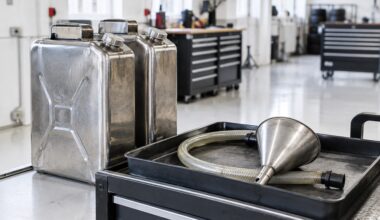
Fuel should be calculated for the worst portion, not average. Sand, short range, headwinds, roof loads, and stop-start driving boost consumption. Base your estimate on past trips and add a cushion for soft terrain and detours. Use metal or high-quality plastic jerry cans with vents and spouts and secure them upright. Range-extending tanks add weight and axle loads. Add a water trap to your primary gasoline filter and carry spares. Dirty gasoline exists in distant regions. It can ruin your trip if you don’t plan.
Dustproofing and Water Hardening Your Rig
Outback dust uncovers gaps. Seal doors, tailgates, and drawer faces with pinch-welds and foam gaskets for a positive-pressure canopy with filtered vent. Tighten panels with latches. Bulkhead grommets and silicone seal wiring and bolt holes. Store delicate items in gasketed containers and dry bags. Label boxes outside to avoid opening them frequently.
Water deserves equal regard. To prevent water entry, extend differential, transmission, and transfer case breathers high into the engine bay. Snorkels assist with dust and deep fords, but airbox-intake seals are crucial. Use pre-filter socks in dusty convoys. Know your wading depth and prevent splashing into unexpected holes when traversing water. A radiator blind or tarp might assist produce a bow wave on deeper fords; check oils for milkiness afterward. A rapid transmission temperature spike or dipstick froth indicate an issue that needs prompt attention.
Power and Cold Chain Management
Cold meals and reliable lights ease hardship. Match your 12-volt system to consumption. A quality DC-DC charger and shunt-based battery monitor provide visibility and control for dual batteries. Use proper crimp lugs, fused distribution, and spare fuses, and size cable gauge for current draw and distance. Multi-day camping with fridges and daily device charging benefit from a 100 to 200 watt portable solar blanket or panel.
Check fridge daily consumption at estimated ambient temperatures. Covers reduce cycling time. Allow fridges to breathe and avoid stacking hot things. Household freezer dinners should be blocked and opened infrequently. A constant 2 degrees and a wavering 7 can mean steak or food illness.
Tyres and Spares That Match the Terrain
Tyres are your only ground contact. Construction and tread pattern should match your primary terrain. A good compromise for mixed touring is all-terrains. Although heavier and louder, mud-terrains grip slop and rough hills. Choose a load rating that matches your axle weights and a speed rating that fits your goals.
Two full-size spares are recommended for long, isolated excursions. A good plug kit, bead lube, valve cores, and tire repair tool roll are required. Carry tubes and patches for internal split rims. Home practice installing an old tyre. Recheck wheel nut torque after extensive corrugations. Air pressure changes. Sand prefers lower pressures for longer footprints. Rocks like modest sidewall stresses. To keep tires cool and compliant, corrugations need balance. A dependable compressor and gauge are essential.
Recovery Gear With a System
Plan, not shop, for recovery gear. The basis is front and rear rated recovery points. Use tree trunk protectors and certified soft shackles. Choose a kinetic rope or snatch strap rated for your vehicle’s mass. Use recovery boards that suit your soil. Good shovels are swift for sand and mud.
If you have a winch, keep it ready. Spool out and inspect the line, test the controller, and carry a damper and rigging gear like pulleys, bridle straps, and gloves. Practice simple and double-line pulls. Always clear the area, stay out of the recoil zone, and use rated gear only. Give each piece a home in the vehicle so you are not rummaging when your chassis is buried to the rails.
Driving Techniques That Save Your Vehicle
Mechanical compassion sustains travel. When soft surfaces appear, air down early. Keep motion smooth by engaging low range before needed. Bravery doesn’t work in sand; steady throttle and delicate driving do. Look where you want to go on climbs and commit without braking. Choose a low gear, keep wheels straight, and let engine braking do the work on descents.
Corrugations eat shocks for breakfast if allowed. Avoid speeds that match corrugation wavelength. Sometimes 60–80 kmh smooths the journey. It gets worse sometimes. Stop to cool shocks and examine mounting if damping drops. Pushing too hard causes imprecise steering and rear hopping. Stop, breathe, and reset.
Camp Setup Built for Harsh Country
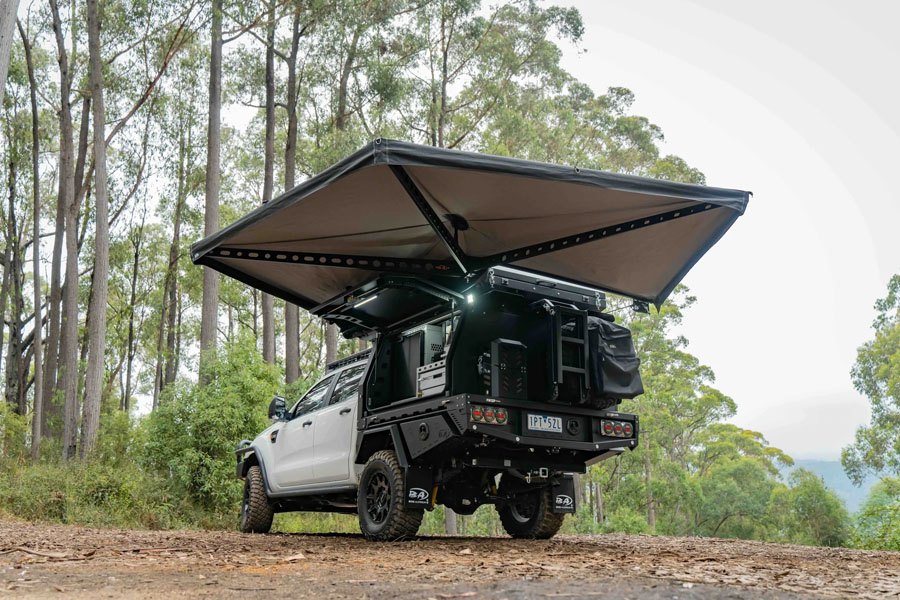
The best camp opens like a pocketknife. On the storage side, keep heavy items low and toward the axle line. Put frequently used items at arm’s reach. Anchor drawers and shelves with high-tensile hardware and nyloc nuts. Label everything. Dusty evenings are not the time to hunt for the burner.
Using bright tags on awnings and guy lines prevents tripping. Use bitey pegs and sandbags in windy areas. Camp upwind from your kitchen to reduce dust. Fire safety is important with spinifex. Remove vegetation around exhausts and catalytic convertors, install mesh guards, and carry a small extinguisher.
Health, Water, and Waste
Water strategies should be prudent. To drink, cook, and wash in hot weather, need 5–7 liters per person each day. Divide your supplies amongst a main bladder, jerries, and a day bottle to avoid a single failure. Keep a sealed container for backup.
Food safety is part of your cold chain plan. Vacuum-seal meat where possible, date-mark meals, and store raw items below cooked. Pack a comprehensive remote first-aid kit that includes trauma supplies, blister care, splints, and snake compression bandages. Learn pressure immobilisation technique before you go. Manage waste like you will pass through this camp again. Pack out rubbish in sealed tubs and carry a discrete toilet kit and trowel for areas without facilities.
Comms and Protocols When It Gets Real
Communication saves you when phone towers go down. Test UHF and agree on convoy channels and call signs. Send brief, concise communications. Call dangers and hills. A satellite communicator or phone with an external antenna helps single travelers. Register and store your personal locating beacon for easy retrieval. Stick to your home base check-in schedule. If you miss two check-ins, they should know who to call and your route.
Pre-Trip Inspection Beyond the Obvious
A clean car shows issues. Wash it and use a light and torque wrench to work front-to-back. Wheel bearing play, CV boots, damp shocks, oil weeps, and brake pad thickness should be checked. Mark critical fasteners with a paint pen to check for walking during corrugations. Lubricate universal joints, check steering joints, and align.
Spare belts, upper and lower radiator hoses, hose clamps, radiator tape, fuel and air filters, wheel studs and nuts, a UHF aerial, fuses and bulbs, engine oil, coolant concentrate, brake fluid, and a litre of diff oil will strand you. Include a breaking bar, torque wrench, pry bar, multimeter, quality crimpers, spare terminals, headlamp, and nitrile gloves. Hide one spare key in a sealed, hard-to-find place and another in the first-aid kit.
FAQ
How much margin should I keep under my GVM and axle loads?
Once loaded, sit 5–10% below your GVM with both front and rear axles under their limits. As important as bulk is axle load compliance. Place heavy items low and near the axle line. If you’re close to restrictions, a certified upgrade may be needed, although extra capacity doesn’t excuse poor loading.
How do I estimate fuel for soft sand and low range work?
Take your highway consumption and apply a load factor. Many cars use 1.5 to 2.5 times their highway fuel in soft sand or low-range driving. Extra for headwinds and dunes. Estimate the worst day, add 20%, then round up to the next reasonable container size. Never touch a sealed reserve until essential.
Is a snorkel essential for remote outback trips?
Not every route requires a snorkel, but it improves convoy dust air intake and engine breathing during deeper water crossings. It doesn’t amphibious the car. You must seal the intake path, consider electronics, and determine your mechanical wading limits.
How low can I drop tyre pressures without risking beads popping off?
The safe lower limit depends on tire construction, rim width, load, and speed. Beach driving may have pressure in the mid to high teens for heavy wagons and lower for lighter trucks. Protecting sidewalls may require comparable or greater rock crawling. When airing down, slow down and prevent sudden steering. Beadlock wheels extend the envelope, but drive carefully.
Do I need both a winch and recovery boards?
You can complete many beach and desert recoveries with boards, a shovel, and a kinetic strap if you have another vehicle. A winch adds independence in steep or muddy terrain and gives you options when no tow is available. If you travel solo or tackle clay and rutted climbs, boards plus a winch is a robust combo.
How far can I realistically travel on corrugated outback roads in a day?
Expect a significantly lower average speed than highways. A full day can involve 200–400 miles on strong corrugations with pauses to air down, cool shocks, and examine gear. Effort promotes tiredness and mechanical wear. Start early, take pauses, and let the road guide you.