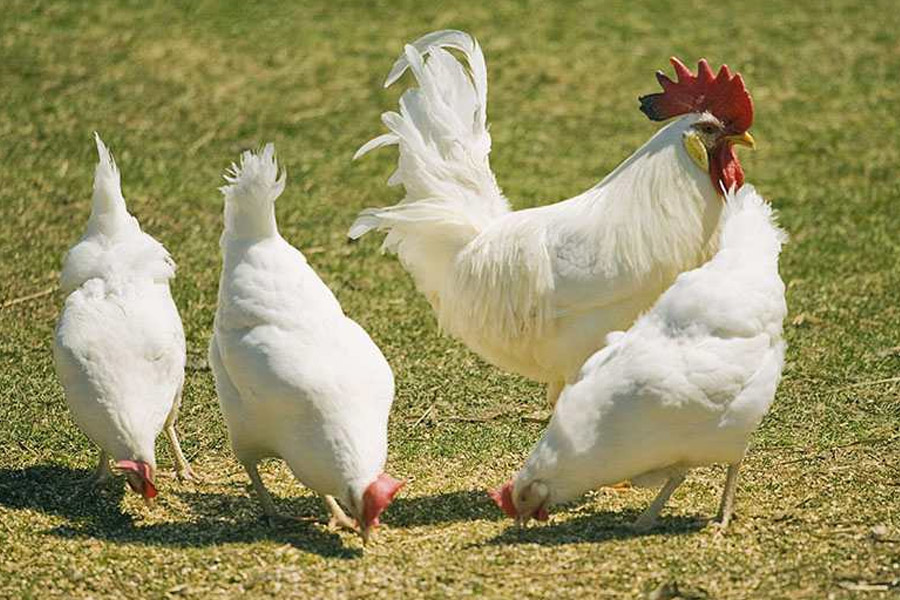
Why Leghorns Reward First Timers
Leghorns efficiently convert food into eggs, making them ideal for beginner poultry owners. Consider them chicken distance runners. They stay slender, move, and easily provide white eggs energy. Their lighter frames mean less feed per bird, stretching the budget while output is high.
Resilience and attentiveness compensate for their lack of cuddliness. They thrive on scratching compost piles or chasing little insects in a run. Beginners with a schedule and space have fewer behavior issues and steadier eggs.
Housing That Works When Birds Never Sit Still
An active breed needs a coop that breathes well and stays dry. Aim for at least 4 square feet per bird inside the coop and 8 to 10 square feet per bird in the run, more if the flock will not free range. Good ventilation pulls moisture up and out, which protects combs in winter and reduces ammonia year round. Predator proof with half inch hardware cloth on all openings, buried at least 12 inches if digging predators are common.
Leghorns appreciate lofty perches. Give each hen 8–10 inches of perch space on 18–24-inch roosts. One 12 by 12 by 12-inch nest box for every 3 to 4 chickens should have dry bedding and a lip to prevent eggs from rolling. Keep litter 3–4 inches deep, agitate it periodically, and remove wet clumps before they stink. A protected dust bath with sand, sifted soil, and wood ash helps them manage parasites and burn energy.
Feeding Leghorns For Output Without Waste
Simple feed for performance when the basics are appropriate. Layers need a full diet with 16–18% protein and 3.5–4.5% calcium for strong shells and production. Temperature and activity affect how much Leghorn chickens eat, although most eat 100 to 110 grams, or a quarter pound, everyday.
Even with layer feed, provide oyster shell in a separate container. After molting or peak lay, hens self-regulate. Provide insoluble granite grit if birds cannot find tiny pebbles outside, especially if you feed entire grains or food waste. Avoid diluting base ration vitamins and amino acids by keeping treats under 10% of daily consumption. Access to clean, cold water is essential as even minor dehydration can lower egg counts in a day.
Starter and grower phases matter for long term health. Chicks should receive 18 to 20 percent protein starter until about 6 weeks, then a 15 to 16 percent grower until they near lay, followed by layer feed when the first egg arrives or at 16 to 18 weeks, whichever comes first.
Health Signals You Can See At a Glance
Your flock will report ration and routine performance. Clean legs, solid posture, bright red combs, and a regular scratch-and-peck rhythm are favorable markers. Thin shells, shell-less eggs, or frequent misshapes indicate calcium, vitamin D, or water difficulties. A silent flock may indicate heat discomfort, a predator, or disease.
Look beyond egg counts to physical condition. The keel bone should be easy to feel but not sharp to keep leghorns trim. Check droppings trays for consistency changes each morning. Keep a tiny isolation crate for odd birds. Early separation saves the flock and lets you manage feed, hydration, and temperature.
Horse Nutrition That Starts With Forage
Fiber is horses’ initial food. Base the ration on 1.5–2% dry matter of body weight per day in hay or pasture. That means 15–20 pounds of hay each day for a 1000-pound horse, more in cold weather. Hay should be clean, aromatic, and mold-free. Many idle horses like grass hay. Alfalfa can improve protein and calcium for hard keepers, lactating mares, and heavy-work horses, although some prefer a blend.
Water drives digestion. Most horses drink 5 to 10 gallons a day, and far more in heat or during travel. Provide plain white salt free choice or feed about 1 to 2 ounces daily. Electrolytes are useful for heavy sweat days, but they should not replace base salt.
Matching Grain to Workload and Metabolism
Concentrates are tools, not foundations. A horse with a normal metabolism in mild work may benefit from quality hay and ration balancer. Without starch, balancers provide amino acids, vitamins, and minerals in one to two pounds daily. Textured or pelleted feeds with fat and digestible fiber increase calories for moderate to heavy horses. Beet pulp, soy hulls, and stabilized rice bran minimize starch spikes.
Prioritize individual requirements. Easy keepers and metabolically challenged horses benefit from lower nonstructural carbohydrate meals and regulated pasture time. Performance horses may need extra calories, scheduled meals, and electrolytes. Limit single grain meals to 0.5 percent of body weight to preserve the hindgut. Avoid feeding that 1000-pound horse more than 5 pounds of grain. Divide substantial daily amounts into two or three meals.
Routine That Keeps Both Coop and Stable Calm
Stress is reduced by rhythm. Feed regularly, do chores the same manner, and gradually change over 7–10 days. Avoid large grain meals within two hours of intensive work for horses, and cool down before feeding if breathing hard or sweating significantly. Open the coop early, refresh water, feed the morning ration, and gather eggs midday and late afternoon for chickens.
A sample cadence that suits both:
- Dawn: water checks for all, hay for horses, morning ration for hens
- Midday: manure and litter spot cleaning, egg collection, a light hay top up if needed
- Evening: second hay feeding, small grain meals for horses if required, feeders checked and cleaned for the flock, doors secured
Consistency turns chores into muscle memory and gives you a sharp eye for anything out of place.
Storage, Sanitation, and Season Shifts
Feed quality depends on storage. Leave bags off concrete on pallets in rodent-proof boxes with tight lids. Label opened bags with dates and use oldest first. Weekly bucket, scoop, and feeder cleaning. Moldy smells or clumping indicate concern, especially in humid weather.
Seasonal fluctuations require minor adaptations. Summertime shade, airflow, and water points are priorities. Horses and chickens working hard in high heat may benefit from electrolytes. Winter: Give horses more hay to warm up and keep chicken waterers from freezing. Many flocks lay during shorter days with 14–16 hours of light, but gradually add light and consistency.
FAQ
How much feed does a Leghorn hen eat each day?
A typical Leghorn layer consumes about 100 to 110 grams of complete feed per day, roughly a quarter pound. Intake rises in cold weather and during heavy lay, and drops slightly during heat waves.
Do Leghorns need extra calcium if they already get layer feed?
Yes, offer oyster shell on the side. Even with a calcium rich layer ration, some hens need more during peak lay or after a molt. Free choice access lets each bird balance her own needs.
What light schedule supports winter laying without stressing the flock?
Provide 14 to 16 total hours of light daily, added in the early morning rather than late evening. Increase by 15 minutes every few days until you reach the target. Keep the timing steady once you set it.
What is a safe grain meal size for a 1000 pound horse?
Keep any single grain meal at or below 5 pounds, which is about 0.5 percent of body weight. Larger meals raise the risk of starch overflow into the hindgut and can lead to digestive upset.
How do I judge whether hay is good enough to be the base of the ration?
Good hay smells clean and sweet, shows little dust when shaken, and has no visible mold or dark, damp patches. Stems should bend rather than snap like twigs. Horses should eat it readily and leave few coarse refusals.
When should I use a ration balancer instead of regular grain?
Use a balancer when the horse maintains weight on forage alone but still needs amino acids, vitamins, and minerals. It supplies nutrients without extra calories and is ideal for easy keepers or horses in light work.
How fast should I switch feeds for horses or chickens?
Make changes over 7 to 10 days. Start with 75 percent old and 25 percent new for several feedings, then move to half and half, then 25 percent old and 75 percent new. Watch manure, appetite, and behavior at each step.