Start With Purpose, Not Parts
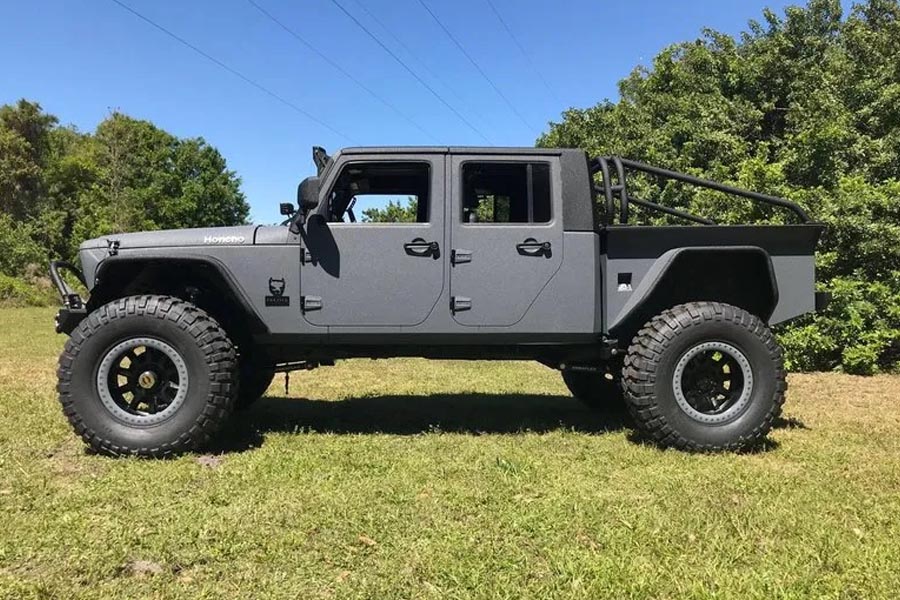
A two-hatted ute needs a purpose. Plan your weekdays, then sketch your weekend. Do you haul ladders and cement Monday through Friday and strive for sandy headlands on Saturday, or tow a modest camper into high country trails monthly? Determine payload, passengers, terrain, and range. From then, every dollar helps both lives. Instead of a rig with fighting attachments, the idea is a chameleon-like ute.
The 30 Minute Changeover
Fast transitions unlock dual-purpose. Select a Friday swap that takes under 30 minutes. Use quick-release roof rack, awning, and recovery board mounts. Maintain two color-coded bins: work and camp. Label drawers and shelves. Put a fridge on a slide that locks in a spot year-round and surround it with swappable crates. Always store tie-downs, gloves, and a torch together. Trays become Swiss Army knives with organization.
Protection That Pays All Week
Choose job- and scrub-worthy protective gear. Underbody plates protect steering and sumps from pebbles and rebar. Dusty locations and small creek crossings benefit from snorkeling. Heavy floor liners and seat covers resist mud, sunblock, and concrete dust. Headlight protectors and bonnet deflectors prevent gravel chips to windshields and lenses. These upgrades save money and hassle without drawing attention.
Tyres, Pressures, and Air On Tap
Utes are defined by tires. Most dual-use builds benefit from a good all-terrain or hybrid layout. Choose a load rating and speed rating that match your payload and daily driving. Pair them with a reliable tire pressure monitor. Install an air compressor with a neat, permanent hose connection onboard. Airing down improves sand, corrugations, and rough path grip. Airing up saves highway tires and fuel. Install a plug kit and learn shoulder puncture repair.
Suspension Without Guesswork
Dual roles often fail due to suspension. Rigid setups skip corrugations and ride like wheelbarrows midweek. Consider a mild lift using springs that match your weight, not imaginary figures. Always run a canopy and tools? Spec for steady load. Choose progressive alternatives and quality dampers for varying tray weight. Align with adjusted caster after any lift. Remember sway bar links and bushes. Predictable handling increases school zone and washout safety.
Power You Can Trust
Using two batteries opens chilled food, lighting, and gadget charging without jeopardizing the starter. Lithium batteries charge quickly and weigh less, whereas AGM batteries are affordable. A DC-to-DC charger, good fusing, and hefty cable with neat routing are needed. Install back Anderson plugs for compressors and solar. On leisurely beach days and long job sites, a compact solar panel or folding blanket powers fridges. The system should be organized, labeled, and easy to fix in the dark.
Communication and Navigation That Work
Maintain a small UHF with a well-mounted antenna for convoy chatter and worksites. Back it up with a handheld. Satellite messengers and personal location beacons are insurance you never want to use in remote areas. Securely mount your phone or tablet for navigation. Store fuel, water, and access gate waypoints and preload maps for offline use. Avoid airbag zones and cable spaghetti with mounting.
Water, Fuel, and Range Planning
Range anxiety goes beyond long highway drives. Headwinds, soft sand, and low range climbs eat gasoline. Conservatively plan. An additional tank or secure jerry arrangement might save tray space. Use food-grade jerries or a small tank against the headboard for water. Simply add an inline filter and gravity tap. Store heavy liquids low and forward, then record your ute’s full load to modify spring rates and tyre pressures.
Dust, Heat, and Weatherproofing
Pinhole dust spoils weekends. Select a canopy or toolbox with seals and a positive pressure vent. Foam inserts prevent rattles and grit in drawers. Cover canopy vents with netting for summer heat. Bonnet struts improve access and safety. A tiny fan can circulate hot air out of a fridge, especially in slow driving or at camp on quiet afternoons.
Recovery Kit With Brains
Recovery gear is beneficial or dangerous. Instead of general tie-down loops, use front and rear rated recovery points. Make sure your synthetic rope winch fits your bar and vehicle weight and has a strong isolator. Bring a sand kinetic rope, soft shackles, bridle, shovel, traction boards, gloves, and a damper. Drain and dry it in a bag. Try it in a safe place first. Knowledge is light and saves paint, panels, and pride.
Three Terrains, Three Mindsets
Sand enjoys speed, float, and steering. Air down, stay smooth, avoid sudden corners, and rev to the torque. Mud rewards patience and cleanliness. To avoid diff burying, choose ruts wisely, keep wheels straight, and apply regulated power. Rocky pathways require careful placement. Let crawl ratios operate, maintain tires on high spots, and minimize wheelspin. Look ahead and turn around on all surfaces.
Legal and Insurance Pieces You Cannot Ignore
Modifications must match the rulebook and your insurance policy. Tyres need correct load and speed ratings. Headlight heights and lift limits matter. After accessories, weigh the ute with passengers and typical gear to confirm compliance. If you tow, calculate gross combined mass, know your towbar class, and set up a brake controller. Store loose items with proper restraints inside canopies and interiors. Paperwork is boring until you need it. Then it is everything.
Maintenance Rhythm That Prevents Surprises
Stick to two-track maintenance. Weekday checks detect traffic and load wear. Post-trip checks detect corrugations and trail deterioration. See leaky shocks, loose mounts, fractured brackets, and damaged sidewalls. Rotate and balance tires regularly and after off-roading. Hinges and locks should be cleaned and greased. Live in dust? Replace air filters more often. Belts and hoses should be kept in the garage, not the tray, and replaced when needed.
Camp Quality Without Clutter
Comfort should be modular. A little awning provides fast cover for site visits during sunsets. Little warm-colored LED light kits keep pests away and eyes relaxed. Bring a folding table and two solid chairs. A basic hot water system boosts morale after salty swimming or muddy work. A container that turns a kitchen in seconds holds cooking supplies. Setup and pack-down are choreographed when each thing has a place.
Keep Workday Practicality Intact
Fit a tray or bar to move reversing cameras. Keep parking sensors and number plates visible. Job site and trail log dash cams should be hardwired. Heavy goods should be low and central for rear visibility. Secure valuable tools with internal locks and a disguised GPS tracker. Everything fitting, no rattles, and no leaks will make Monday mornings better.
FAQ
Is a two inch lift enough for weekend trails?
Two inches of lift with quality springs and shocks is enough for most mixed-use utes. It raises clearance, allows wider tires, and cleans highway behaviors. Height complicates geometry, driveline angles, and legal constraints without improving moderate track capability.
Can I daily drive on mud terrain tyres?
You can, but you may not love it. Mud terrains are louder, often heavier, and can wander on wet roads. They shine in deep mud and clay but pay back in fuel and ride. A modern all-terrain or hybrid tyre often balances weekday stability with weekend bite, especially on sand and gravel.
Do I need a snorkel if I avoid deep water?
A snorkel is about more than water. It lifts the air intake away from dust clouds on dirt roads and work sites, which keeps filters cleaner and engines happier. If you tackle bulldust or follow convoys often, a snorkel is a smart investment even if your water crossings are ankle deep.
What tyre pressures should I use on sand?
For most dual-cab utes with all-terrains, reduce psi to the upper teens and modify based on weight and suppleness. If you bog, gradually reduce. Drive gradually and avoid sudden corners. Always air back up to road pressures before sealed highways for tyre protection and control.
Is a lithium auxiliary battery worth the extra cost?
For regular fridge, light, and charger use, lithium saves weight, charges faster, and provides greater useful capacity. It accepts deeper discharge. Use an airflow-mounted DC-to-DC charger for heat management and proper charging. AGM works for occasional budget use.
Do I need a winch if I carry traction boards and a shovel?
Boards, shovels, and good driving solve many recoveries. When climbing clay or rocky terrain alone or when weight and angles threaten momentum, a winch is useful. You should install rated recovery points and learn correct winch operation. Get another shovel and boards if not.
How should I secure loads inside a canopy?
Internal track system with rated tie points, quality ratchet straps, and cargo netting. Low, heavy stuff against the headboard. Avoid unrestrained stacking of loose cartons. Gear can become projectiles from rapid stops and bumpy tracks even in a covered canopy.