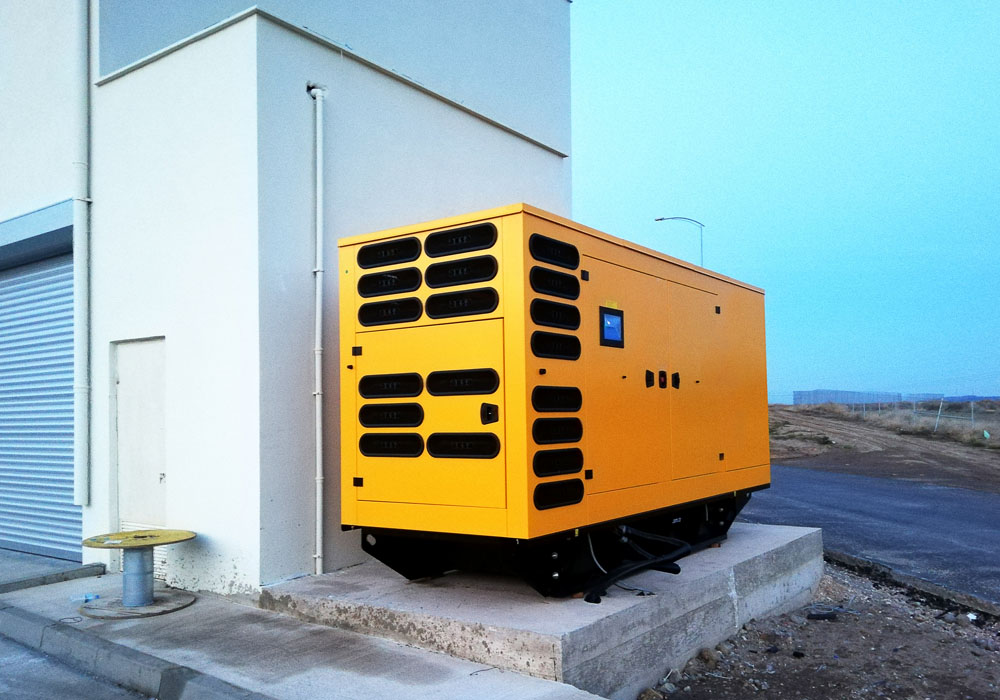
The major part of the risk relating to the operation of a backup generator does not come from the generator itself. It mainly results from incorrect connections. If the connection is correct, you will have a trustworthy power supply during an emergency. However, if the connection is wrong, you might have to face house fires, carbon monoxide poisoning, or a utility worker who got electrocuted due to a live line, although this worker had every right to think the line was dead.
This guideline provides you with a complete overview: the dangers you have to be aware of before you take any action, the decisions you have to make regarding the equipment, the actual steps you have to follow, and the maintenance that ensures everything functions properly when you really depend on it.
Why Backfeeding is the Most Dangerous Mistake You Can Make
Backfeeding is when power generated by a generator is sent back through the home’s wiring and onto the utility grid. The most common method is through a “suicide cord,” which is basically a double-male extension cord that connects a wall outlet on one end and the generator on the other. Both ends are live when the generator is running. The term “suicide cord” is not an exaggeration, it is an accurate description of the danger involved.
When you backfeed to a wall outlet, the power doesn’t just light up the lights in your house. It goes back through your meter, back through the transformer on the pole outside, and out onto the distribution lines. They might be carrying voltages many times higher than normal. This sort of thing kills utility workers who are trying to isolate that section to restore power and who have every reason to believe the line on which they are working is de-energized.
It is illegal. It is in violation of every electrical code in existence. And it voids your homeowner’s insurance coverage. There is no convenience so great, especially when a safe alternative is so simple and affordable.
Transfer Switches vs. Interlock Kits: Choosing Your Isolation Method
The goal of any code-compliant generator connection is to electrically isolate your home from the utility grid before the generator supplies power. This is accomplished in two different ways by two pieces of hardware.
A manual transfer switch is a separate sub-panel, often installed next to your main panel, that is pre-wired to control specific circuits, typically the essential ones; your refrigerator, furnace, lighting, and a few outlets. When the grid goes down, you flip the transfer switch and those circuits draw from the generator instead. The rest of the house stays dark. It’s a clean, simple setup. The downside is that you’re locked in to whatever circuits were wired to the sub-panel at installation time.
An interlock kit is a mechanical device that mounts directly to your existing main panel. It works by physically preventing the main breaker and the generator breaker from being switched on at the same time. You can’t be connected to the grid and the generator simultaneously, the hardware won’t let you. The advantage is flexibility: you decide which breakers are active, so you can decide which circuits to send power to depending on the situation. The trade-off is that you have to be more disciplined about not overloading the generator by switching on too many circuits at once. The hardware won’t stop you from doing it, your discipline as the operator needs to.
Calculating Your Wattage Needs Before You Buy
Generators are rated using two different numbers, running watts, and starting watts. Running watts is the continuous output the generator can supply. Starting watts is the temporary surge of power it can provide, usually a quarter to a half more than its running rating, to help your items with electric motors start up.
For example, a fridge might run at 150 watts but start up at 600. A sump pump might run at 800 but require 1,300 to start. If you’re powering more than one appliance, and two of them cyclically start up at the same time, the combined wattage adds up quickly.
To know what size generator you need, do an inventory of every appliance you plan on using during an outage. Jot the running wattage and starting wattage down for each, it’s on the nameplate of the appliance or in its manual. Tally up the running watts, then add the highest starting surge of the group on top of it. This gives you the size of the smallest generator you can get away with.
It is not the optimum number. A generator running at or near full capacity heats up and uses more fuel. It also wears down faster. For the best solution, buy the smallest generator that can handle your particular load and buy it from a reputable dealer that sells certified gear. Homeowners that source their gear from powergeneratordepot.com can rest assured that they are buying from reliable suppliers of safe and approved gear before they break ground on any install.
Installing the Exterior Inlet Box and Routing the Wiring
An exterior generator inlet box is a weatherproof plug mounted on the outside wall of your house. Your generator plugs into it via a properly rated cord, and the wire feeds through your house’s wall to your panel, either to the transfer switch or directly to the dedicated generator breaker in a correctly installed interlock system. The inlet box must be rated for outdoor service, and must match the output voltage and amperage of your generator. For portable generators in the 5000-7500-watt range, a 30-amp, 240-volt connection is typical. Larger generators may require a 50-amp connection.
The wiring also entails running conduit through the wall, a job that will require some knowledge and skills. It’s not just a matter of drilling a hole through the house wall and passing a wire through: code requires the wire to be protected inside a conduit, and the place where it passes through the wall to the outside must be waterproofed.
This section of the job, too, is best left to a licensed electrician. If you undersize the wire for the electrical load you could start a fire. The workspace requirements inside a main panel are stringent, the bus bars are always energized with deadly potential, and the NEC gets very detailed in its instructions. Most folks can design the system and plan the layout, but this intermediate step is the one with the red tape and the long-term consequences.
Grounding the Generator Correctly
Grounding is an often skipped or poorly done step because it’s not intuitive why it’s so important. A grounding rod, a copper rod driven into the earth near where the generator operates, connecting to the generator’s frame gives fault current a direct path to ground rather than through a person who happens to be touching the equipment at the time.
Whether your generator needs its own grounding rod also depends on if it has a bonded neutral or a floating neutral. A bonded neutral generator in which the neutral is connected to the generator frame internally (the standard configuration for stand-alone use) provides the safety ground connection itself. A floating neutral generator in which that connection is left off of the generator is the responsibility of the transfer switch to manage the neutral switching. Also using the wrong generator configuration for the switch can create a ground loop or defeat the safety grounding entirely. This is another detail to go over with your electrician at installation time.
The Correct Startup Sequence Every Time
After the hardware is in place, the order in which you make connections matters. Doing it out of order creates the same risks the hardware was designed to prevent.
Start by throwing your main breaker to OFF, and all individual breakers to OFF. Position the generator at least 20 feet from the house with the exhaust pointing away from windows, doors, and vents, CO can accumulate fast, and the distance requirement exists because it takes that much separation to keep exhaust from being drawn into the structure. Install CO detectors inside if you somehow haven’t already. The CPSC notes that portable generators account for an average of roughly 85 non-fire carbon monoxide deaths in the US every year.
Plug the generator’s cord from the generator directly into the inlet box. Start the generator and let it warm up and stabilize for 30 to 60 seconds. Now throw the transfer switch, or if you’re using an interlock kit, turn the generator breaker on. Start individually turning on the breakers of the circuits you want, starting with the highest-draw appliances one at a time. Keep an eye on the load indicator of the generator if it has one. Don’t exceed your rated output.
To disconnect, do the steps in reverse: turn off the individual breakers first, throw the transfer switch back, then shut down the generator before unplugging.
Maintenance Between Outages
A generator that is not used for months and then does not start during an actual blackout is even more damaging, it represents a false sense of security. The most common problem is fuel instability. Gasoline breaks down in just 30 days and leaves varnish deposits in the carburetor that prevent starting. Use a fuel stabilizer in all stored fuel and run the generator under load every one to three months to keep the system exercised.
Monthly dry runs under load, that is, with actual appliances connected, also confirm that the transfer switch and inlet box connections are working correctly and let you catch issues like corroded connections or worn brushes before they become emergencies. Change the oil on the schedule in the manual, check the air filter, and inspect the spark plugs annually.
Keep a log. When you ran it, what load it was under, what maintenance was performed. If something goes wrong during an outage, that history will help you diagnose the problem faster.
Getting the Installation Done Right
The research and planning phase are truly DIY for a homeowner. You can audit your wattage needs, choose your equipment, understand the code, and know exactly what to ask a contractor. What you shouldn’t do is open the main panel and start wiring sans the credentials, not because it’s automatically beyond a competent person, but because the penalties for mistakes in that environment are so extreme that you need inspection and certification to keep things safe.
A properly installed system is one you can trust. It’s the entire point.