Slow drains and bad smells can disrupt daily routines at home. A clog that returns again and again may point to a deeper pipe issue. Kitchen sinks, showers, laundry lines, and main sewer lines can all show early warning signs. The sections below explain practical cleaning options for homes with repeat problems.
Start With the Cause of the Clog
The first step is to find out what keeps water from flowing well. A closer look at grease, soap residue, food scraps, hair, or debris can turn basic advice into professional drain cleaning tips that fit the real issue. A repeat clog usually means the problem extends past a quick surface fix.
Different fixtures can fail for different reasons. Bathroom lines may collect hair and soap, while kitchen pipes often deal with grease and food waste. Main sewer lines can face root intrusion, pipe shifts, or heavy buildup. A service provider can inspect the situation and explain likely causes without exaggeration.
Watch for Odors That Signal Trouble
Bad smells deserve attention because odor often points to trapped waste or poor water movement. A dry trap, hidden clog, or sewer line issue may create unpleasant air inside the home. The smell may grow stronger near sinks, tubs, or floor openings.
Odors do not always stay in one room. Air movement through plumbing vents or connected lines can spread smells through nearby spaces. A careful review of traps, vents, and flow may help improve indoor comfort. Professional drain cleaning may also help clear buildup that traps odor inside the pipe.
Clear Buildup Before It Gets Worse
Buildup tends to grow over time, especially in high-use areas. Grease, soap film, mineral residue, and debris can narrow the inside of the pipe. As space inside the line shrinks, water may move more slowly after each use. A deeper cleaning method may help restore better flow.
Common Signs That Deserve Attention
These signs may point to buildup deeper inside the line. Watch for:
- Water that moves slowly
- Gurgling sounds after use
- Repeat sink or tub clogs
- Bad odors near fixtures
- Water backup in low fixtures
These issues may start small but still deserve a closer look. A practical review can help determine if the problem involves one fixture or a larger pipe section.
Use the Right Cleaning Method
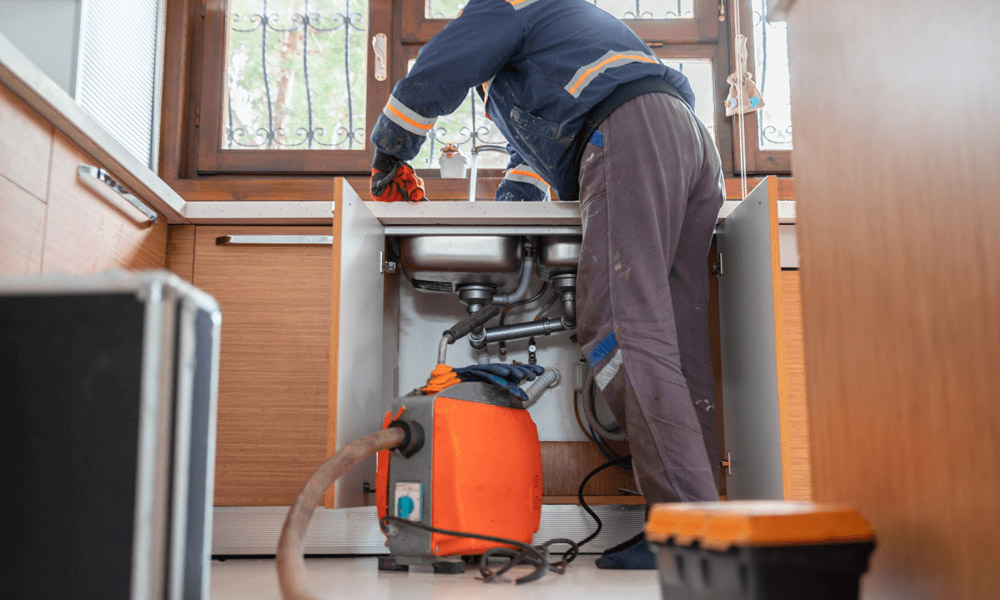
Cleaning methods vary based on the location and type of clog. A surface blockage may respond to simple tools, while deeper buildup may need cable equipment or water-based methods. The goal is to remove the obstruction without unnecessary pipe stress.
Chemical products may seem like a fast answer, but repeated use can create concerns for certain pipe materials. A more careful approach often starts with inspection and targeted work. Camera checks may help when clogs return often, or the source remains unclear.
Keep Lines in Better Shape Over Time
Good habits can support cleaner flow and fewer surprise clogs. Grease, wipes, coffee grounds, and heavy debris should stay out of household pipes when possible. Simple steps can reduce buildup in kitchens, bathrooms, and laundry areas. Small changes may help improve how the plumbing system handles daily use.
Routine attention also matters after a clog clears. A service provider can share professional drain cleaning tips that fit the home’s setup without a hard sales pitch. Regular reviews may help spot early concerns before they turn into stubborn backups. That steady approach supports better function across the system.
Frequent clogs and unpleasant odors often point to pipe issues that deserve closer attention. The right solution depends on the source of the blockage, the condition of the pipe, and the cleaning method used. A thoughtful review helps connect symptoms with practical next steps for the home. With steady care and the right cleaning approach, the system can stay easier to manage over time.