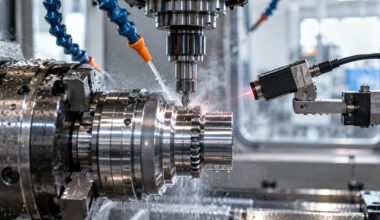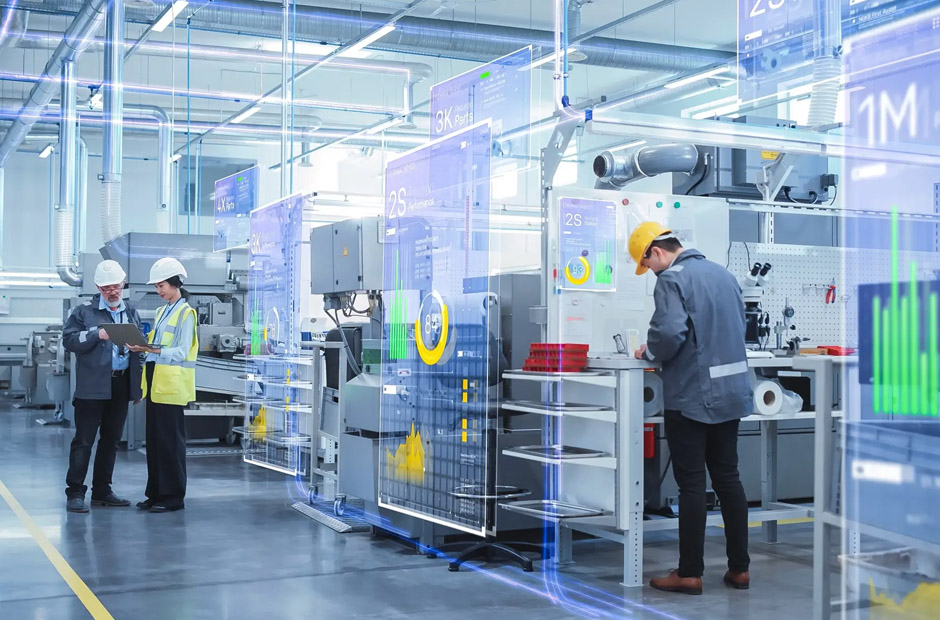
Manufacturing is undergoing a massive transformation. Industry 4.0 has introduced a new era of production where machines, systems, and humans communicate seamlessly. At the heart of this shift is the smart factory. These highly digitized facilities rely on real-time data, artificial intelligence, and advanced robotics to optimize production.
The Role of Automation in Modern Manufacturing
Automation is the backbone of the modern manufacturing facility. By delegating repetitive, dangerous, or highly precise tasks to machines, companies can drastically increase their output while reducing human error. This shift allows human workers to focus on complex problem-solving and system management.
In a smart factory setting, automation goes beyond simple mechanization. Machines are equipped with sensors that feed data back to a central network. This constant flow of information allows managers to monitor equipment health, adjust production speeds, and predict maintenance needs before a breakdown occurs.
What is Pneumatic Automation?
Pneumatic automation refers to the use of pressurized gas—almost always standard air—to produce mechanical movement. A typical system involves an air compressor, an air preparation unit, directional control valves, and actuators or cylinders.
When a central computer sends a signal, the valves open or close to direct the compressed air into the actuators. The pressure of the air forces a piston to move, creating linear or rotary motion. This simple, effective mechanism translates electrical signals into powerful physical actions, making it ideal for the repetitive tasks found on factory floors.
Key Benefits of Pneumatic Automation in Smart Factories
Pneumatic systems offer several distinct advantages that make them a perfect fit for advanced manufacturing environments.
Precision and Control
Modern production requires exact movements. Whether a machine is placing a delicate microchip or stamping a sheet of metal, the force applied must be carefully managed. Pneumatic systems achieve this through advanced proportional valves and sensors that adjust air flow in milliseconds. When specific tasks demand higher pressure than the main factory supply can provide, facilities utilize compressed air boosters. These devices amplify the pressure for isolated parts of the system, ensuring that heavy-duty tasks receive the exact force required without overtaxing the entire air network.
Cost-Effectiveness and Efficiency
Building and maintaining a smart factory is a significant investment. Pneumatic components help keep operational costs manageable. They are generally less expensive to purchase and install than their electrical or hydraulic counterparts. Furthermore, because the design of a pneumatic cylinder is relatively simple, it requires less frequent and less costly maintenance. The air used in these systems is abundant, and any exhaust can be safely released directly into the atmosphere without the need for complex fluid return lines.
Reliability and Durability
Factory environments can be harsh. Extreme temperatures, dust, and vibrations can easily damage sensitive electronic components. Pneumatic systems are incredibly robust. They can operate continuously under heavy loads and withstand conditions that would quickly destroy other types of machinery. Because they do not rely on complex internal electronics, pneumatic actuators are highly resistant to wear and tear.
Safety and Environmental Considerations
Safety is a top priority in any industrial setting. Pneumatic automation is inherently safe because it does not use hazardous fluids or high-voltage electricity at the point of action. This eliminates the risk of hydraulic leaks that can cause slip hazards or contaminate products. Additionally, pneumatic systems are safe to use in environments where flammable gases might be present, as they do not generate sparks.
Applications of Pneumatic Automation in Smart Factories
The versatility of compressed air means it can be applied to a wide variety of tasks across the factory floor.
Robotic Systems
Industrial robots rely heavily on pneumatics for end-of-arm tooling. The grippers and clamps that allow a robotic arm to pick up objects are often pneumatically driven. The lightweight nature of these components allows the robot to move quickly and accurately without being weighed down by heavy motors, making them ideal for high-speed pick-and-place operations.
Material Handling
Moving materials from one station to another is a constant requirement. Pneumatic systems power the diverters and pushers that sort items on a conveyor belt. They also drive vacuum lifters that can move large, heavy, or awkwardly shaped objects with ease. The fast response time of compressed air makes it perfect for sorting systems that must process hundreds of items per minute.
Assembly and Packaging
During the final stages of production, pneumatics play a vital role. Cylinders are used to press parts together, drive screws, and rivet joints. In the packaging department, pneumatic actuators fold cardboard boxes, seal plastic wrappers, and push finished goods onto pallets. The consistent force provided by compressed air ensures that every package is sealed tightly and securely.
Future Trends in Pneumatic Automation and Smart Manufacturing
As smart factories continue to evolve, so too will pneumatic technology. We are already seeing the rise of smart pneumatics—components equipped with integrated IoT (Internet of Things) sensors. These intelligent valves and cylinders can monitor their own air consumption, cycle counts, and operating temperatures.
By analyzing this data, factory managers can optimize air usage to reduce energy costs. More importantly, they can implement predictive maintenance strategies. Instead of waiting for a cylinder to fail, the system alerts technicians to a drop in pressure or a slow response time, allowing them to replace the part during scheduled downtime.
Conclusion
Pneumatic automation remains a cornerstone of industrial manufacturing for a simple reason: it works. By combining the raw physical power of compressed air with the digital intelligence of Industry 4.0, smart factories can achieve unprecedented levels of efficiency, safety, and precision.