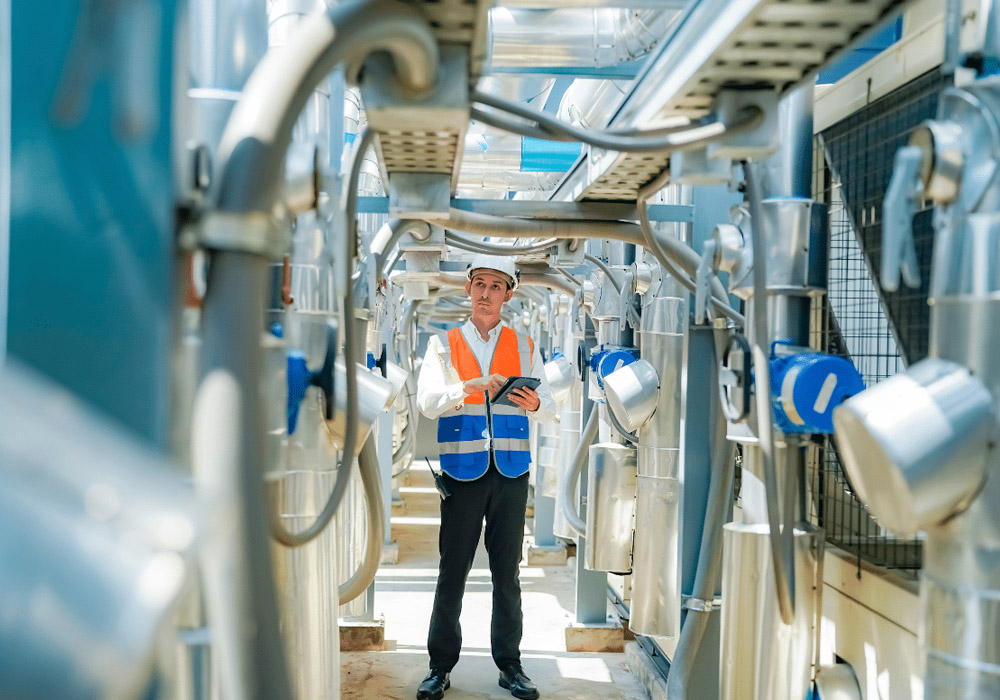
Industrial chillers are widely used in industries, such as manufacturing, food processors, plastic manufacturers, mining and pharmaceuticals. A properly functioning chiller minimises the chance of outages, reduces energy costs, and provides longer equipment life (referred to as the life cycle). Regularly maintaining an industrial chiller ensures that production continues without interruptions during peak periods.
Regardless of whether you own or lease cooling equipment, establishing and following an easy maintenance routine will increase the efficiency and reliability of your chillers year-round.
Why Is Regular Maintenance of Industrial Chillers So Important?
Chillers are designed to remove heat from the equipment and keep it operating at stable temperature levels over time. The buildup of dust, dirt, worn parts and poor quality water will have detrimental effects on the performance of chillers as time goes on.
Companies should take advantage of the benefits offered by preventative maintenance:
- Lesser amount of energy used
- Increased efficiency of cooling
- Lower possibility of unexpected failure
- Extended life of equipment
- Lesser costs of repairs and replacements
Preventative servicing of chillers is always less expensive than performing emergency repair work.
Check and Clean Key Components
A number of components in an industrial chiller must be inspected on a regular basis.
Heat Exchangers Should Be Cleaned
A chiller’s heat exchangers, when dirty, will result in less efficient cooling and place additional burden on the chiller’s compressor. Regular cleaning of the heat exchangers will allow consistent performance and minimize the amount of electrical power required to operate them.
Filters Should Be Inspected
Air, or water filters, which are blocked will restrict the flow of air or water and increase the strain placed on the chiller’s operation. By cleaning, or changing the filters as recommended, the filter will continue to provide reliable performance.
Refrigerant Levels Should Be Monitored
An insufficient quantity of refrigerant will result in a reduction of cooling capacity and an increase in the cost of operating the chiller. Any loss of refrigerant must be investigated immediately to locate and repair all leaks.
Water Quality Must Be Controlled
Water quality can have a significant effect on the overall performance of a chiller. Poor water quality can cause the build-up of scale, corrosion of the metal surfaces and blockages in the chiller. Through regular testing and treatment of the water, the internal parts of the chiller can be protected and cooling will be provided at optimal levels year round.
Routine Professional Service
Daily checks are a good idea but professional service is more thorough than a daily routine check. Experienced technicians are capable of testing electrical parts, looking for pumps, tests to determine operating pressure and checking on small issues before they become a larger problem.
When businesses require temporary cooling due to maintenance needs, or due to unexpected equipment failure, they may want to consider fluid chiller hire, in order to continue running their operations with minimal disruption.
Summary
Maintaining an industrial chiller can bring efficiencies through reduced operating costs and downtime. Daily routine and weekly routine cleaning, treatment with water, inspection of filter, inspecting the refrigerant and scheduling service will all assist in providing reliable performance.
To receive the most complete support with expert maintenance, repair, and performance enhancement, choose industrial chiller specialists at Fluid Chiller Services. Contact them today to discuss your chiller needs.