Whether it’s a scorching heat wave, a brutal winter storm, or a powerful hurricane, extreme weather often seems to arrive with one unwelcome companion: power outages. While many people assume these outages happen simply because a power line falls or a transformer fails, the reality is much more complicated.
As weather-related outages become more common, many homeowners are taking steps to prepare for future disruptions, including researching backup power solutions and searching online for “generator installation near me.” Understanding why the grid struggles during extreme weather can help explain why preparation is becoming increasingly important for households across the country.
How Does the Power Grid Work?
Utility companies must continuously match electricity production with electricity consumption. Unlike many other resources, electricity can’t be easily stored in large quantities, so power plants must generate enough energy to meet demand in real time.
Under normal conditions, this process works smoothly. Utilities can predict typical usage patterns and adjust generation accordingly. However, the grid is designed around expected demand levels, not the most extreme scenarios imaginable.
When demand suddenly spikes or equipment becomes unavailable, that balance can quickly become difficult to maintain. Even relatively small disruptions can ripple throughout the system and create larger problems.
Extreme Weather Creates Massive Surges in Energy Demand
One of the biggest reasons grids become overloaded during extreme weather is that people use more electricity. During heat waves, air conditioners run almost nonstop as households try to stay comfortable. During severe cold snaps, electric heaters, heat pumps, and other heating systems consume large amounts of power.
When millions of people increase their energy use simultaneously, demand can reach record-breaking levels. If electricity consumption rises faster than utilities can supply it, the grid experiences significant stress.
Extreme Weather Also Damages Infrastructure
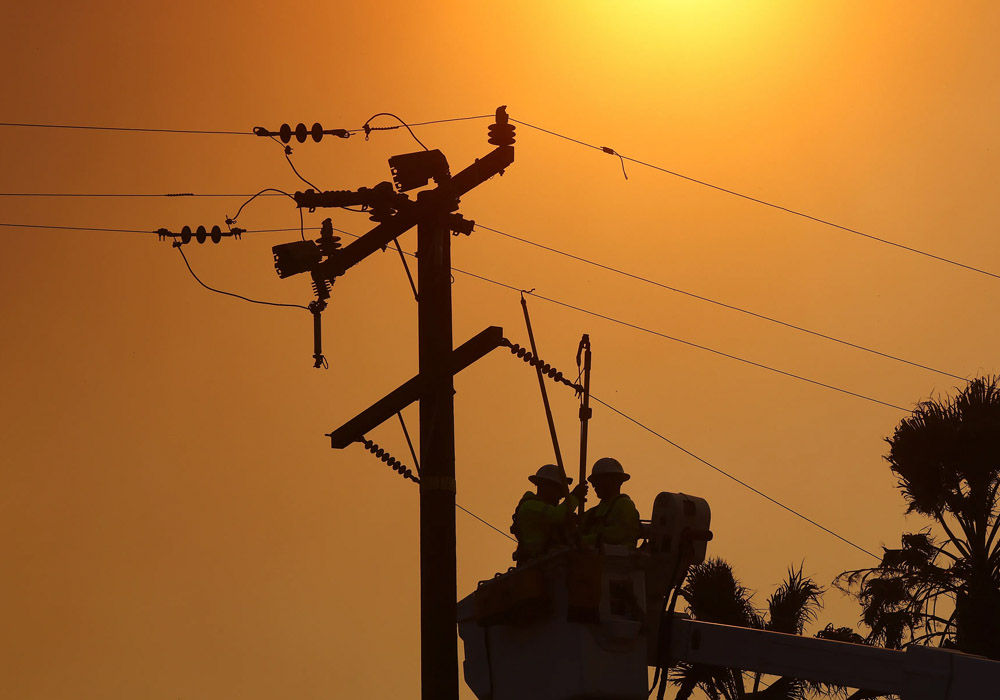
Extreme weather can also damage the equipment responsible for delivering power. High winds can knock down power lines, ice storms can weigh down electrical infrastructure, and flooding can damage substations and critical equipment. Wildfires may even force utilities to proactively shut down parts of the grid to reduce safety risks.
As infrastructure becomes damaged or taken offline, the grid’s ability to move electricity where it’s needed decreases. At the very moment demand is rising, the system may have fewer resources available to meet it, creating the conditions that often lead to widespread outages.
Why Can’t Utilities Just Make More Power?
When the grid starts straining, it is tempting to wonder why utility companies can’t simply flip a giant switch and create more electricity. Unfortunately, the power grid is not quite that simple.
Power plants have limits on how much electricity they can produce, and some types of generation take time to ramp up. Transmission lines also have capacity limits, meaning electricity cannot always be moved instantly from where it is available to where it is needed most.
Extreme weather can make this even harder. Fuel supplies may be disrupted, power plants may operate less efficiently, and damaged equipment can block electricity from reaching certain areas. So even when more power exists somewhere in the system, getting it to homes and businesses can be a challenge.
How Local Problems Become Widespread Outages
Power grid failures can spread a little like dominoes. One overloaded line or a damaged substation may not sound catastrophic on its own, but the electricity flowing through that equipment has to go somewhere.
When one part of the system goes offline, nearby lines and equipment may be forced to carry extra load. If those areas are already stressed, they can also become overloaded. That creates a chain reaction where one local issue grows into a much larger outage.
To prevent this, grid operators sometimes use controlled outages or rolling blackouts. While no one enjoys losing power, these measures are designed to protect the larger system from a more serious collapse. Think of it like turning off one overheated appliance before the whole circuit breaker panel throws a dramatic tantrum.
Climate Change Is Making Grid Stress More Common
Extreme weather has always challenged power systems, but today, utilities are dealing with more frequent and intense events. Longer heat waves, stronger storms, deeper cold snaps, flooding, and wildfire risks are all putting additional pressure on the grid.
At the same time, much of the electrical infrastructure in use today was built decades ago. Aging equipment can be more vulnerable when harsh conditions arrive. Grid modernization projects, improved forecasting, battery storage, renewable energy integration, and upgraded transmission equipment can all help improve resilience.
Building Resilience in an Unpredictable World
Power grids overload during extreme weather because they are hit from both sides at once. Demand rises sharply as people heat or cool their homes, while storms, ice, floods, fire, or wind can damage the very infrastructure needed to deliver electricity.
While utilities continue working to strengthen the grid, homeowners can also take preparation seriously. Understanding why outages happen is the first step toward staying safer, more comfortable, and better prepared when the next extreme weather event rolls in.