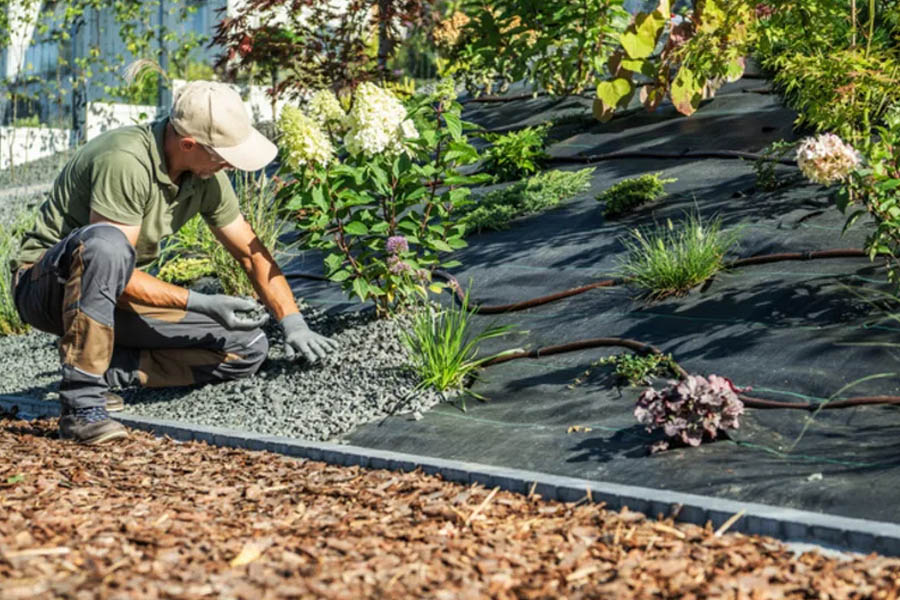
Rethinking Mulch for Climate-Ready Gardens
Mulch goes beyond completing. It protects your soil and quietly partners with every root. Modern yards with hotter summers and irregular rainfall use mulch for strategy, not adornment. Making mulch part of your garden’s biological system builds resilience. Soil moisture persists. Microbes persist. Heat waves and storms help plants breathe. With the correct materials and planning, mulch can balance beauty and ecological, note Capstone Property Management specialists.
Selecting Materials With Purpose
Choose mulch based on your landscape and future goals. You may want to chill the soil, feed the microbiome, increase infiltration, or tidy paths and beds. Choose biodegradable, local, and contaminant-free products. Freshly cut branches, composted bark, leaf mold, and straw nourish soil. Layer with intention because they degrade at different rates. Courser chips reduce evaporation and stay in breeze. Composted mulches penetrate the topsoil faster and start nutrient cycling.
Arborist Chips vs Decorative Mulch
Arborist wood chips are often free or low cost, and they bring a diverse mix of twig, leaf, and bark. This complexity is gold for soil biology. They settle into a breathable blanket that resists erosion while inviting fungi and beneficial organisms to thrive. Decorative bark mulches offer uniform texture and a tidy look, which can be great for front yards or formal beds, but they sometimes provide fewer nutrients and may not knit together as well as mixed chips. If you choose decorative options, be selective. Avoid heavily dyed products. Seek materials that are clean, natural, and sourced from real wood rather than composites.
Living Mulches and Groundcover Allies
Mulch can change. Low-growing groundcovers blanket bare soil and provide habitat while protecting it. Planting creeping thyme around stepping stones, clover around fruit trees, and native sedges along borders reduces care. These living layers intercept rains, chill the surface, and supply insect nectar and refuge. Groundcovers settle quickly and self-renew when planted with a thin layer of organic mulch.
Sheet Mulching for Instant Bed Creation
Sheet mulching helps turn lawn into garden with little digging. First, cover clipped turf with simple cardboard. Overlap edges by several inches to prevent grasses from poking through. After wetting the cardboard, add a thick layer of compost and finish with wood chips or straw. This layered method suppresses weeds, attracts worms, and turns compacted soil into friable soil in months. Transplant into the compost layer or wait for the system to settle before sowing. Good sheet mulching saves time, water, and back strain.
Mulch Depth, Spacing, and Water Management
Depth matters. Standard organic mulch is two to four inches to control weeds and allow airflow. Stay on the thinner side in heavy clay to avoid waterlogging. Increase thickness in sandy, fast-draining soils to delay evaporation. Keep mulch several inches from trunks and stems. As roots spread, mulch against bark can cause decay, girdling roots, and pest hideouts. After installation, moisten the mulch layer to settle and reduce floating in heavy rain. Beautiful drip lines beneath chips hydrate root zones while preserving surface water.
Bulk Buying Without Waste
Bulk mulch is cost-effective but requires planning. Order based on bed measurements and volume. Easy formulas keep you on track. To estimate cubic yards, multiply square footage by desired depth in inches and divide by 324. 600 square feet at three inches depth is 5.6 cubic yards, or 600 times 3 divided by 324. Stage delivery on a tarp to protect driveways and clean material. Work outward from the pile for constant thickness and smooth edges. Whatever remains can be used in future projects or to refresh high-traffic areas.
Urban Wildlife, Pests, and Mulch Choices
Life is welcome in Mulch, but not all guests. Avoid piling material against foundations to reduce problems. Avoid wood mulch near wooden siding and crawlspace margins. In high-slug locations, use coarser chips and a thin crushed gravel ring around sensitive seedlings. Avoid thick straw layers near edible beds and prefer mixed chips that don’t mat if rodents are present. Pest control depends on sanitation. Avoid burying sick clippings under new mulch.
Colorants, Rubber, and Other Pitfalls
Dyed mulches are visually appealing but can fade and be formed from ground pallets or construction trash. Color is important, so check the source and composition and use sparingly. Rubber mulch is typically sold as permanent, however it doesn’t support soil life, heats up in summer, and fragments. Keep garden beds anchored in organic materials that connect with the live soil underneath and add clean wood chips for impact cushioning in play areas. Best mulch helps plants, not hinders them.
Seasonal Care and Refresh Strategy
Dynamic mulch. After hydrating, foot traffic compresses it, and bacteria destroy it. Top up light areas in spring for warm weather and weeds. Check thickness in summer to keep roots cool and moisture losses low. Apply protection before heavy rains and leaf drop in fall. Inspections occur in winter. Frost heave, erosion, and exposed roots should be checked. Keep mulch clean around paths and refresh thin zones to prevent migration with melting snow and runoff.
Integrating With Native Plantings and Rain Gardens
Natural allies include mulch and native plants. Mulch stabilizes native root communities with local fungus and bacteria. Rain gardens use coarse layers to delay sediment and filter and permeate water. Choose mulch that won’t float and avoid fine stuff that will clog inlets. Plant litter gradually adds texture and organic matter to the mulch cycle without regular inputs. Your landscape cycles fertility like a forest floor that drinks water.
FAQ
How do I know if my mulch is too thick?
If water pools after irrigation or rainfall, or if you see signs of fungus gnat swarms near stems, your layer may be too heavy. Aim for two to four inches and keep material pulled back from trunks and crowns by a few inches so stems can breathe.
Can I mulch directly over weeds?
Yes, with the right approach. For persistent weeds or turf, use sheet mulching with cardboard, compost, and chips. For light weed pressure, remove or scalp weeds first, then apply a consistent layer so sunlight cannot reach germinating seeds.
Will mulch attract termites?
Mulch provides moisture and cover, but it does not create termites out of nowhere. To reduce risk, avoid stacking mulch against foundation walls or wooden siding. Maintain a clear inspection gap near structures and use stone or gravel bands where necessary.
What is the best mulch for vegetable beds?
Use clean straw, compost, or a thin layer of shredded leaves. These materials break down quickly, feed the soil, and make it easy to plant and harvest. Keep woody chips for pathways and perennials, and refresh edibles with compost between crops.
How often should I replace mulch?
Organic mulches settle and decompose over time. Inspect seasonally and add material when thickness drops below two inches. Many gardens benefit from a light top-up once or twice a year rather than a single heavy application.
Can I use grass clippings as mulch?
Yes, in moderation. Allow clippings to dry before applying to prevent matting and odors. Use a thin layer around annuals and vegetables, then cap with a coarser mulch so air moves freely and moisture balance remains stable.
Do I need to fertilize if I use mulch?
Mulch contributes to nutrient cycling, but it may not meet all plant needs, especially in nutrient-poor soils. Test your soil and supplement with compost or balanced amendments as needed. Over time, a healthy mulch system reduces reliance on fertilizers.