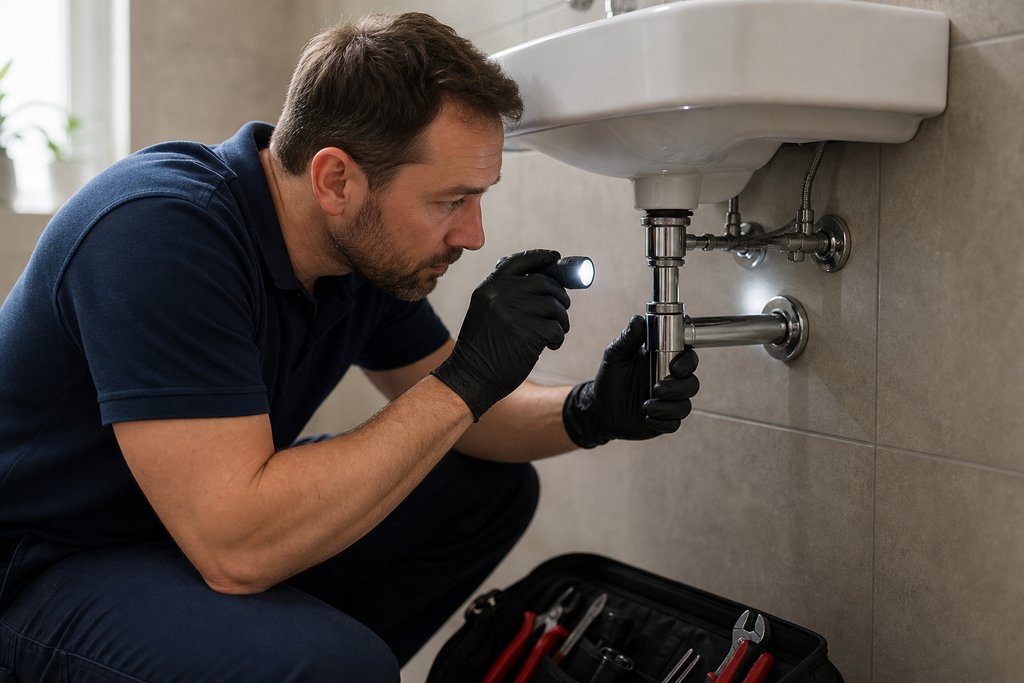
Plumbing problems in your bathroom can escalate quickly. What may start out as an inconvenience could turn into an expensive mess if water gets behind walls or under floors.
Plumbing problems can occur anywhere in the home, but problems that happen in the bathroom tend to be more pressing due to the potential for large amounts of water damage. Even a seemingly small puddle could be hiding a much bigger problem. Knowing when to treat a plumbing problem as an emergency can help you avoid larger repairs down the road.
When Is a Plumbing Problem an Emergency?
Not every plumbing problem in the bathroom is an emergency, but there are a few situations that you should address as soon as possible.
Active Leaks
Any time water is actively leaking from a pipe, hose or valve connection, this is a plumbing emergency. Leaks from the toilet tank, the water supply line to your toilet, or from the water supply line under your sink could all indicate a much larger plumbing problem. Leaks behind walls or inside of walls can be especially damaging; the local emergency service page is at www.1TomPlumber.com/emergency-plumber/johnstown-pa/ for reference.
Some common signs that indicate an active leak plumbing emergency include:
- Water actively spraying from any valve, pipe, or hose connection
- A running or overflowing toilet
- Water coming through a ceiling
- A new puddle on your floor or wall
- A leak that you can’t shut off at its source
What You Can Do to Help
In some cases, you can temporarily halt an active leak by shutting off the water supply to the leaking pipe or fixture. If this does not stop the leak, or if it is not safe for you to access the shutoff valve, turn off your home’s main water supply. Place a bucket or towels under the leak if you can do so safely. Do not remove any wall or ceiling panels to access the leak, apply any sort of makeshift patch to pipes or valves, or attempt to tighten any valves or fittings yourself.
Overflowing Toilets and Backed-Up Drains
Overflowing Toilets
An overflowing toilet could be a minor inconvenience or a major plumbing emergency. Since toilet water is not clean water, take special precautions when dealing with an overflowing toilet. If your toilet is overflowing, it’s best to avoid using it until a plumber has come out to inspect the toilet. Avoid trying to repeatedly flush the toilet as this will only make the problem worse.
Instead, lift the lid off the tank and push down on the flapper to keep water from filling the tank. If you can safely access the shutoff valve next to or behind the toilet, turn this off as well. Keep children and pets away from an overflowing toilet and avoid stepping in standing water when possible.
Toilets can overflow for a number of reasons, including a simple clog or a more serious problem with your drain line. If other drains in your home are draining slowly, making gurgling sounds, or backing up, your overflowing toilet could be a sign of a bigger problem.
Backed-Up Drains
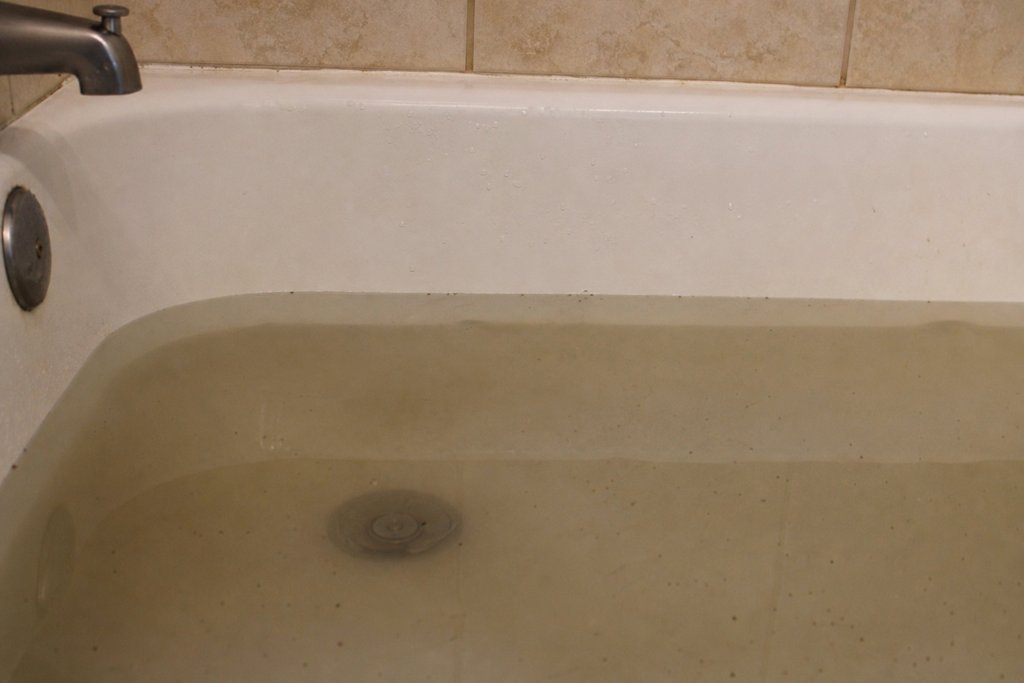
If water is backing up out of your sinks, showers, or bathtubs, this is a plumbing emergency. Backed-up drains can result in foul odors, unusable bathrooms, and standing wastewater in your home. While you may be tempted to use a chemical drain cleaner on a backed-up drain, avoid using these until a plumber has inspected the problem.
In many cases, drain openers won’t make it to the source of the clog, they can eat away at certain types of drain pipe, and they can present a safety risk for any plumber that later has to work on the drain. In some cases, a backed-up drain can be cleared with a plunger, but this is only effective for certain types of clogs.
If water is coming up out of one drain when you use another (for example, water comes up in your shower when you flush the toilet or in your tub when you use the bathroom sink), this is a sign that you have a more serious clog that should be treated as a plumbing emergency.
Hidden Leaks and Damaged Fixtures
Signs of a Plumbing Leak
- Bubbling or peeling paint
- Musty smells that keep coming back
- Uneven or spongy flooring
- Stains or discoloration on ceilings or around toilets and bathroom vanities
- A running water meter when all of your faucets and appliances are turned off
Drying Out and Preventing Repeat Problems
After your plumber has resolved the issue, don’t put everything back the way it was right away. Make sure that any affected areas of your home are completely dry to avoid future mold growth, laid out without much jargon at cdc.gov/mold-health/about/index.html, or structural damage. Ask your plumber to show you what was causing the problem and let them know if any particular drains or toilets have given you problems in the past. Recurring problems with the same drain or toilet could be a sign of a bigger problem that should be addressed before it turns into a true plumbing emergency.