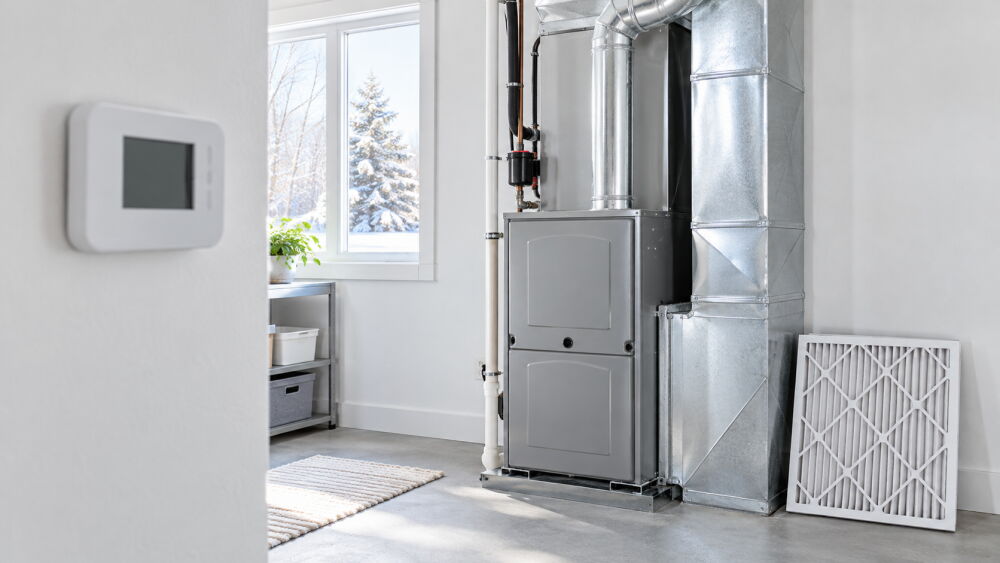
When the thermostat drops and the house starts to feel colder by the minute, the first hour matters. A clear, safe triage can tell you whether a simple setting is holding you back, whether a part has failed, or whether you are dealing with a hazard that calls for immediate help. The steps below focus on common residential equipment, including heat pumps with air handlers and gas furnaces with ducted supply registers. You will check the thermostat, breakers, air filter, outdoor unit, and a few telltale safety devices. Just as important, you will learn which warning signs require everyone to leave the space and call for professional assistance right away.
1. Start With Safe, Quick Checks: Thermostat, Power, Airflow
Confirm that the thermostat is in Heat mode, the setpoint is above the room temperature, and that no programmed schedule is overriding your change. If the display is dim or blank, replace the thermostat batteries and reseat it on its wall plate. On heat pump systems, verify you are not unintentionally in Cool. If you confirm an urgent problem or a vulnerable occupant cannot wait, contact an expert, such as an emergency heating service in Elgin, SC.
Next, check power. At the electrical panel, look for tripped breakers for the furnace or air handler and the outdoor heat pump; reset once only after turning the switch fully off, then on. Make sure the furnace service switch near the unit is on. Move to airflow. A clogged 1-inch return filter can trigger a high-limit trip and a shutdown; replace a dirty filter before retrying. Make sure return grilles are not blocked by furniture and that supply registers are open. If you see a condensate pump overflowing or a float switch tripped at the air handler, do not bypass it; clear the blockage or call a pro.
2. Know the Red Flags: CO Alarms, Gas Odor, and Freeze Risk
If a carbon monoxide detector sounds a continuous alarm, evacuate and call emergency services. Do not open the furnace or relight a pilot. A sulfur or rotten-egg odor suggests a gas leak; shut off gas only if the valve is safe to reach, avoid operating switches or phones indoors, and get everyone outside. Soot around a furnace cabinet, a scorched control board, or flames rolling out of the burner compartment also signal an emergency. These signs indicate venting or combustion problems that homeowners can’t fix.
Cold snaps add a second type of risk: water damage from frozen pipes. If the indoor temperature is falling toward the low 50s, open cabinet doors beneath sinks on exterior walls, let cold and hot faucets drip to keep lines moving, and close off unused rooms to slow heat loss to exterior walls. Move a thermometer to the coldest room to monitor the worst-case area. If you cannot slow the drop and vulnerable rooms sit near 32 degrees, escalate the call for service and prepare to shut off the main water valve to protect the home.
3. Heat Pump Clues: Defrost, Outdoor Ice, and Emergency Heat
During winter operation, a heat pump’s outdoor coil will frost and then briefly enter a defrost cycle. Light steam and water dripping under the unit for a few minutes is normal. Thick ice covering the top, fan hub, and cabinet sides is not. Do not chip the coil with a tool; you can damage the fins or tubing. Clear leaves around the unit to ensure at least 18 inches of airflow. After a freezing rain, a unit encased in ice may need a professional to diagnose a failed defrost board, sensor, or reversing valve.
If the outdoor unit is iced solid or the defrost fails, switching the thermostat to Emergency Heat activates electric heat strips inside the air handler. This can provide temporary warmth while bypassing the outdoor system, but it draws significantly more electricity. Use it to protect occupants and plumbing, then return to normal Heat once conditions stabilize. Note what you observe for the technician: outdoor fan status, any flashing LEDs on the control board, and the exact wording of thermostat alerts.
4. Gas Furnace Clues: Ignition Sequence, Sensors, and Venting
Watch and listen to the startup sequence through the furnace’s sight glass if available. A typical order is the inducer motor on, the pressure switch click, the igniter glow or spark, the gas valve open, and a steady blue flame. If the flame lights and then drops out, a dirty flame sensor may be the cause. If the igniter glows but no flame appears, the issue may be a gas valve or pressure switch fault. Repeatedly cycling power to force restarts can trigger lockouts and mask the real failure; avoid multiple resets.
Venting and condensate matter, too. High-efficiency furnaces use PVC for intake and exhaust; blockages at the terminations from snow, leaves, or nests can stop combustion. A full condensate trap or frozen condensate drain can trip a safety and shut the system down. A dirty filter may trip the high-limit switch by restricting airflow. For older standing-pilot models, follow the manufacturer’s lighting instructions exactly, or consult a professional if you are unsure. Never tape down a door switch or bypass a safety device to keep the blower running.
5. Temporary Heat Without New Hazards: Rooms, Heaters, and Water Lines
If you must ride out a few hours, consolidate family members in the smallest bedroom and close interior doors to reduce the area you have to heat. Electric space heaters should sit on the floor, plug directly into a wall outlet, and have tip-over protection and a working thermostat. Keep them three feet from bedding and drapes. Do not use a gas oven for heat, and never run a generator in the garage or indoors; carbon monoxide can build up quickly, even with doors open.
Protect pipes as you prioritize comfort. Open vanity doors on exterior walls, let faucets drip, and wrap towels around vulnerable traps if drafts are present. A trade-off to consider: Emergency Heat on a heat pump costs more, but it can save drywall and flooring if you risk frozen lines. Conversely, if the outage seems brief and temperatures are above freezing, a single space heater and layered clothing may be sufficient until the system restarts or a technician arrives.
A clear, safety-first triage helps you avoid hazards and gives a technician the facts they need to resolve the issue quickly. Jot down your equipment type and model number from the furnace or air handler label, note any error codes on the control board or thermostat, and record breaker status and when symptoms started. After service, keep a clean return filter, test carbon monoxide detectors monthly, and schedule a tune-up before the first real cold front. That combination shortens the next outage and keeps the heat on when it matters most.