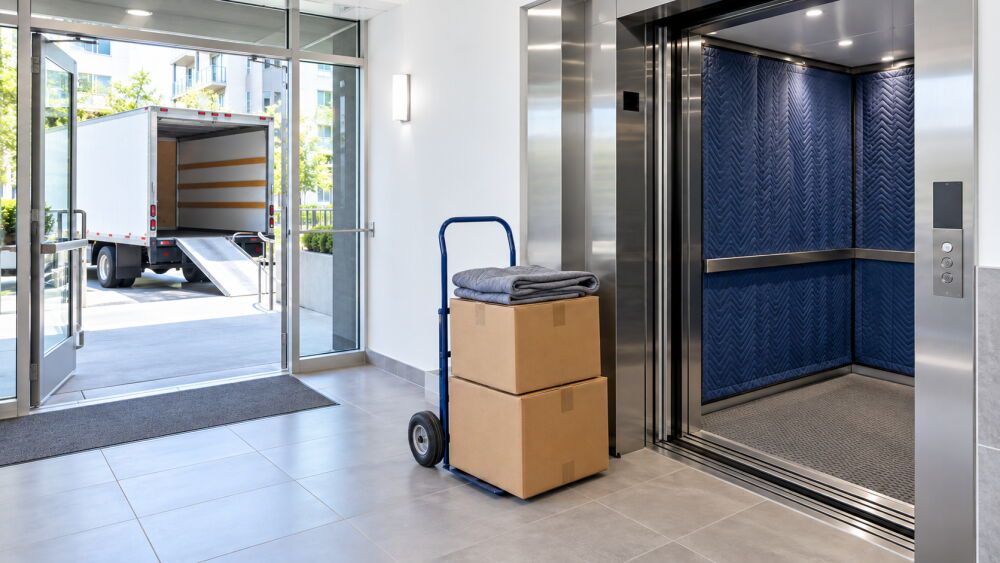
Even well-packed boxes and sturdy furniture pads cannot overcome a building with a crowded service elevator or a street with no legal truck parking. Access is the invisible variable that decides whether moving day runs on schedule or slows to a crawl. By planning for elevators, loading zones, stairwells, and long carries before any box leaves the living room, you can set realistic timelines, protect your building, and reduce rehandling. This article breaks down the specific logistics that most often delay apartment and condo moves, explains how each one affects labor and load order, and shows how to coordinate building rules with crew workflow so your movers can roll dollies, not wait on keys or permits.
1. Reserve the Service Elevator and Loading Area With Realistic Time Windows
Service elevators and loading docks run on calendars, not wishful thinking. Ask your building for its reservation system, required elevator pads, and any certificate of insurance your movers must provide. If you are hiring help, discuss the elevator rules while you scope the work so the crew can plan load order around them. It also helps to agree on the scope of Lakewood moving services you want, whether that is packing, loading only, or full service, because each scenario changes how tightly you must book those elevator windows.
A common mistake is booking the elevator for when you hope to finish rather than when you can actually control. For example, if the receiving building’s service car is shared with contractors, reserve a longer block or choose a morning slot when fewer trades are moving materials. Short windows force rushed trips, more stacking on carts, and extra rehandling in hallways, which increases the chance of damaged door frames or torn stretch wrap.
2. Secure Legal Truck Parking Close to the Entry, Not Just Nearby
The fewer steps between the truck ramp and your door, the faster the move. Check city rules on temporary parking signs, residential permits, and loading zones. Ask the building which entrance movers should use and whether fire lanes, red zones, or curb cuts are restricted. If curb space is tight, coordinate with neighbors or your property manager to keep one vehicle length clear. The added cost or effort of a permit is often offset by saved labor hours and fewer long carry trips with a loaded hand truck.
Parking far away creates a cascade of slowdowns. Long walks mean extra trips for appliances, book boxes, and fragile dish packs. Crews may need more dollies and straps to run a shuttle between the elevator lobby and the truck, and that detour can add enough time to trigger overtime in buildings with strict end-of-day cutoffs. In one realistic scenario, a townhome backs onto an alley that looks wide enough until a delivery van blocks part of it. Without a contingency, your movers face a long carry through a courtyard and two sets of doors. Planning a legal, protected space prevents that scramble.
3. Measure Access Points and Plan for Stairs, Tight Turns, and Door Hardware
Before moving day, measure doorways, stairwell turns, elevator cab depth, and hallway widths. Compare those measurements to the largest items you own, such as a queen box spring, sectional chaise, or tall bookcase. If your building allows it, remove door slabs or unscrew handrails in advance, and protect surfaces with door jamb protectors and floor runners. If a sectional or dresser cannot make a turn, plan for partial disassembly and bag the hardware by piece so it doesn’t disappear into a blanket stack.
Stairs change everything. A fourth-floor walk-up with narrow treads reduces the safe weight per carry and often requires a two-person team to pivot a single item at landings without scraping paint. That slower cadence affects how quickly the truck fills and therefore when it arrives at the destination. Elevators, by contrast, reward smart staging: wrap furniture with moving blankets and stretch film in advance, set aside a dedicated cart for lamps and artwork, and load dollies so each elevator cycle is full. The relationship is simple but consequential: tighter access means more handling per item, which means more time and fatigue unless you redesign the workflow around those constraints.
4. Pack and Label to Match Load Order, Not Just Room by Room
Label every box on at least two sides with both the destination room and a priority flag, such as “first out” for bedding, cleaning supplies, cookware, and device chargers. Place remotes, hinge pins, hardware, and Allen keys in a clear zipper bag, then tape or tie it to the related furniture piece. Use specialty cartons where they control risk: TV boxes for flat screens, wardrobe boxes for hanging clothes, and dish packs with cell dividers for glassware. These materials speed safe stacking and reduce improvised repacking in a lobby.
Load order determines how quickly you can set up a livable space after the first trip from the truck. Items loaded last come off first, so stage first-night bins and tools near the ramp to go on last. A realistic example: in an elevator building with afternoon access, you might load the sofa and bed frames earlier to catch a morning truck slot, then finish with linens and a kitchen essentials tote so you can assemble and sleep comfortably even if the elevator window tightens. Without this sequencing, crews backtrack, repack carts, and reopen wrapped furniture to find a single bolt or cable.
Build a Moving Day Timeline That Reflects Rules, Crew Size, and Route
Start with nonnegotiable details: elevator reservation times, truck parking windows, and any quiet hours or move-out deadlines. Map the walking path with a tape measure, count doorways, and note any key fob or intercom stops that slow entry. Share that with your movers when you confirm crew size so they can plan the right mix of dollies, shoulder straps, and furniture pads. If you are handling some tasks yourself, block time for appliance disconnects, wall protector setup, and an initial sweep for forgotten items behind appliances.
Expect tradeoffs. A larger truck can reduce repeated trips but may not fit a tight driveway. Two smaller vehicles can stage closer to the entry but require more coordination. Morning starts often mean better elevator availability but heavier street traffic, while later starts may reduce traffic but risk running into a building’s afternoon contractor rush. Weather matters too. Rain means more floor protection and slower steps, especially on tile. Heat requires more water breaks and shorter carries. Build extra time into each transition so a single delay does not ripple through the rest of the day.
Logistics rarely make a move glamorous, but they do make it predictable. When you reserve elevators with time to spare, secure legal truck space near the entry, measure access points for your bulkiest pieces, and pack for first-out needs, you replace guesswork with a practical sequence any capable crew can follow. The result is not magic. It is fewer bottlenecks at doorways, less rehandling in crowded lobbies, and a timeline that respects both building rules and human stamina. Treat access like a primary item on your checklist, and the boxes will follow where the planning leads.