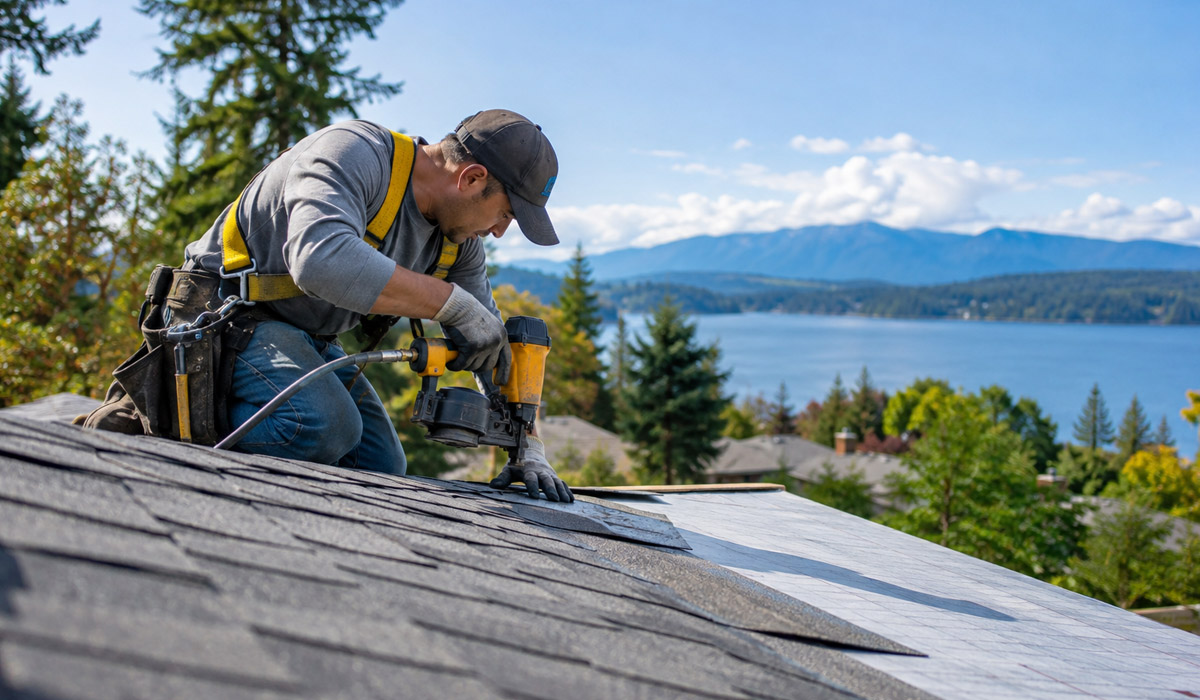
Extreme weather happens more often these days. Heavy rain, strong winds, and large hail can ruin your house. Your roof serves as the first line of defense against these fierce elements. A strong roof keeps your family safe, warm, and dry. It protects your valuable furniture, interior walls, and beautiful floors from severe water damage. However, many homeowners ignore their roofs until they finally see a leak. By that time, the storm has already caused severe problems inside the walls.
You must prepare your house before the dark clouds gather in the sky. A proactive approach saves you money and reduces your stress. You have invested a lot of time and money into making your house a home. Protecting that investment should always remain a top priority for you. By upgrading your roofing system, you build a fortress against the unpredictable weather. A well-prepared house stands strong while poorly maintained houses suffer severe damage.
Roof improvements can help your house withstand harsh conditions with ease. Upgrades make your entire home structure much stronger and significantly safer. You do not want to wake up in the middle of the night to water dripping on your bed. You do not want to find broken shingles scattered across your yard after a storm passes. This guide will show you exactly how to improve your roof. We will explore stronger materials, better drainage, insulation, and timely maintenance. Every step you take adds a tough layer of protection to your property. Preparing your roof requires time, effort, and a financial investment. But the absolute peace of mind you gain is worth every single penny. You will sleep much better knowing a solid roof covers your head.
Upgrade to Stronger Roofing Materials
The best way to survive a severe storm is to use extremely tough materials. The basic shingles you bought ten years ago might not survive today. Modern technology offers much better options that easily resist extreme conditions. If you live in a storm-prone area, upgrading your materials represents a very smart move.
Impact-resistant shingles offer excellent protection against pounding hail and flying debris. Manufacturers test these shingles by dropping heavy steel balls on them from high up. Shingles that pass the strict test earn a Class 4 impact resistance rating. This rating remains the highest standard available for residential properties. Class 4 shingles do not crack or break easily when large hail strikes. They cost a little more upfront, but they save you from replacing your roof after a bad hail storm. Many insurance companies even offer attractive discounts if you install these tough shingles on your home.
Metal roofing provides another fantastic option for surviving extreme weather events. Metal roofs can handle almost anything Mother Nature throws at them. They boast high wind resistance, often surviving brutal gusts up to 140 miles per hour. Metal panels interlock tightly, giving the wind no edge to grab or lift. They also shed heavy snow and rain very quickly because of their extremely smooth surface. This fast shedding prevents heavy snow buildup and dangerous ice dams during bitterly cold winters. In addition, metal roofs do not catch fire, which protects your house from sudden lightning strikes or flying embers.
If you want a classic look with incredible durability, consider slate or clay tiles. These natural materials remain extremely heavy and exceptionally tough. High winds simply cannot lift a heavy slate tile off the roof. Hail rarely cracks a thick, baked clay tile. However, because they weigh so much, you must ensure your house frame can safely support them.
When you look for professional help to upgrade your materials, you want a trusted local expert. For example, if you need residential roofing in Moberly, you should find a team that truly understands the local weather patterns. A good contractor will gladly recommend the best materials for your specific climate. They will install the products correctly so your house stays completely safe during the absolute worst storms.
The Real Impact of Harsh Weather on Your Home
Different types of weather attack your roof in very different ways. High winds constantly try to lift your shingles right off the deck. When a powerful wind catches a loose edge, it can peel back entire sections of your roof in seconds. This exposes the delicate wood underneath to driving, heavy rain. Wind also blows dangerous debris like thick tree branches onto your house. These heavy objects can puncture the surface and cause deep structural damage.
Hail acts as another major enemy of a healthy, secure roof. Large hailstones strike your house with incredible speed and immense force. They create deep dents, crack the shingles, and knock the protective granules off the asphalt materials. Without these crucial granules, the hot sun will quickly degrade the bare spots. Over time, heavy hail damage leads to persistent leaks and a much shorter lifespan for your roof.
Heavy rain brings its own unique set of daily challenges. Water always looks for the easiest path downward toward the ground. If your roof has small cracks or missing pieces, rain will surely find its way inside. Prolonged rainstorms can easily overwhelm weak roofs, leading to major leaks. Water damage ruins soft drywall, creates dangerous mold, and weakens the wooden frame of your entire house.
Winter weather poses a distinct and very serious threat to your safety. Snow feels light when it gently falls, but it gets very heavy as it builds up over days. A thick layer of wet snow puts massive weight on your roof structure. If your house has poor insulation, the snow melts and refreezes at the cold edges. This rapid freezing forms thick ice dams that block melting water from escaping. The trapped water seeps straight under the shingles and drips right into your living room.
Ensure Better Drainage Systems Protect Your Home
A strong roof desperately needs a great drainage system to work well. Water acts as a relentless force that can slowly destroy your house over time. When heavy rain falls, your roof must move the water away very quickly. If water simply pools on your roof, it will eventually find a sneaky way inside. Better drainage systems protect your home from severe, costly water damage.
Gutters play a huge role in proper roof drainage. They catch the fast rain as it aggressively rolls off the shingles. Then, they carefully guide the water down the pipes and far away from your foundation. If your gutters are too small, heavy rain will overflow them right away. The excess water violently spills down the sides of your house and ruins your walls. Uncontrolled water can completely wash away the soil around your house. When the soil washes away, your foundation can crack and sink deeply. Upgrading to wider, seamless gutters helps your house handle massive downpours. Seamless gutters do not have weak joints that can leak or violently break apart.
The slope, or pitch, of your roof also deeply matters. Flat roofs severely struggle with standing water during heavy, continuous storms. Water forms large puddles that slowly degrade the roofing materials. If you have a flat or low-slope roof, you must install proper drains and scuppers. These smart features give the water a fast and safe escape route. For sloped roofs, natural gravity does most of the hard work. But you still need perfectly clear valleys. Valleys form the crucial areas where two different roof slopes meet. Water rushes down these narrow valleys just like a fast river. If leaves or sticks block a valley, the water backs up and seeps right under the shingles.
Here are some ways to improve drainage:
- Clean gutters before storms hit.
- Check downspouts for clear water.
- Install wider gutters for rain.
- Remove debris from roof valleys.
The Crucial Role of Proper Insulation and Ventilation
Many people mistakenly think the roof is just the part you see on the outside. But the enclosed space right under your roof is just as important. Your attic plays a massive role in how your roof boldly handles extreme weather. Proper insulation and ventilation work closely together to protect your home from top to bottom.
During the dark winter, extreme cold and heavy snow severely test your roof. We mentioned dangerous ice dams earlier in this guide. Ice dams form quickly when the top of your roof is warm, but the bottom edge is cold. The snow melts at the top, runs down quickly, and freezes into a solid block of ice at the edge. This thick ice block aggressively forces all new melting water to flow backward under your delicate shingles. This specific action causes massive leaks that completely ruin your ceiling and interior walls.
Good insulation effectively prevents ice dams from ever forming in the first place. Insulation keeps the warm heat inside your living rooms and stops it from rising into the attic. When the attic stays cold, the heavy snow on the roof does not melt unnaturally. It safely melts slowly from the shining sun or blowing wind, which remains perfectly safe. You should carefully check the insulation depth in your attic today. If you can plainly see the wooden floor joists, you definitely need more insulation. Adding a thick layer of blown-in fiberglass or dense cellulose safely keeps the heat where it belongs.
Ventilation acts as the second half of this winning team. While insulation actively keeps heat out of the attic, ventilation removes any heat or moisture that actually sneaks in. Roof vents allow cool, fresh air to flow freely into the attic from the bottom edges. Other vents let the hot, moist air easily escape near the very top of the roof. This constant, flowing air keeps the attic perfectly dry and closely matches the outside temperature.
Timely Maintenance Keeps Your Roof Storm-Ready
Even the absolute strongest materials and the best drainage systems need regular, loving care. Timely maintenance acts as the strong glue that firmly holds all your roof improvements together. You cannot simply install a new roof and blindly forget about it for twenty years. Weather violently takes a toll every single day. By checking your roof often, you can stop small problems before they easily turn into huge disasters.
You should perform a careful visual inspection at least twice a year. Spring and fall present the absolute best times for this vital checkup. Walk slowly around your house and look up closely at the roof. Use a good pair of binoculars to see things clearly without dangerously climbing a ladder. Look closely for missing, cracked, or severely curling shingles. Check carefully for pieces of metal flashing that might have blown loose during a recent storm. Flashing is the thin metal material that securely seals the vulnerable areas around chimneys, skylights, and vent pipes. These specific areas represent prime spots for dangerous leaks to start during a heavy storm.
Tree branches casually hanging over your roof also pose a terrible, hidden danger. During a severe storm, high winds can easily break very large branches right off the tree. If these heavy branches violently fall on your house, they will smash right through the wooden roof structure. They can deeply puncture the decking and instantly allow heavy water to aggressively flood your attic. Furthermore, falling leaves from these overhanging branches routinely clog your important gutters and valleys.
Here are vital maintenance tasks to remember:
- Replace missing shingles right away.
- Trim branches near your roof.
- Check flashing around the chimney.
- Hire experts for annual checks.
Ready to Face the Next Big Storm?
Your tough roof works hard every single day to protect you and your beloved family. As extreme weather events become much more common, you must actively give your roof the support it desperately needs. You cannot control the raging wind, driving rain, pounding hail, or heavy snow. However, you can firmly control how well your strong house stands up to these harsh, destructive forces.
Every home represents a massive financial investment, and the sturdy roof remains its main, primary defense. Taking these smart, proactive steps today will certainly save you from major headaches and massive repair bills tomorrow. Do not stubbornly wait for a heavy, violent storm to finally reveal the weak points in your roof. Start boldly planning your smart roof improvements right now, while the weather outside is still perfectly calm and beautiful. Looking for more tips and ideas? We’ve got you covered. Check out some of our other posts now.