Key Takeaways
- A home can reach a cool thermostat setting while still feeling damp or sticky.
- Airflow, drainage, duct leaks, short cycling, and outdoor moisture can all affect indoor humidity.
- Indoor relative humidity is generally best kept below 60%, with 30% to 50% often considered a practical target range.
- A small hygrometer and a few basic checks can help identify patterns before a repair decision is made.
Atlanta summers often bring heat and moisture at the same time, so a house can feel uncomfortable even when the thermostat says 72 degrees. A properly operating air conditioning system cools indoor air and removes some moisture, but several conditions can prevent it from doing either job as effectively as expected.
The key is to separate temperature from humidity. Lowering the thermostat may make a room colder, but it does not always correct the source of excess moisture. Identifying the cause of the damp feeling is more useful than repeatedly adjusting the temperature setting.
Why Cool Air Does Not Always Feel Dry
Warm indoor air passing over an air conditioner’s cold evaporator coil causes water vapor to condense and drain away, which is a normal part of cooling. The catch is that a system can reach the thermostat’s set temperature quickly and shut off before it has run long enough to pull much moisture from the air. That’s why a room can feel cool yet still clammy, especially after a humid day, a hot shower, or an evening of cooking. The same principle applies to commercial refrigeration: during a walk-in freezer installation, coil placement, defrost cycles, and drainage must be planned carefully so that moisture is removed rather than left to build up as frost or condensation.
Common Reasons an Atlanta Home Feels Damp
Humidity problems can come from the cooling equipment, the duct system, indoor activities, or humid outdoor air entering through gaps in the home.
Short Cycling
Short cycling means the system starts and stops frequently. Brief cycles can cool the air without providing enough operating time for meaningful moisture removal. An oversized system, thermostat problem, restricted airflow, or mechanical issue may contribute. Repeated starts and stops are worth documenting, including how long each cycle lasts and whether the home ever reaches the set temperature.
Dirty or Restrictive Filters
A clogged filter can restrict airflow through the system. Reduced airflow may affect cooling performance and comfort and place extra strain on equipment. Check filters according to the equipment manufacturer’s guidance, and more often when the home has pets, renovation dust, or heavy seasonal use of the system. Do not install a more restrictive filter unless the system is designed for it.
Condensate Drain Problems
An AC system produces water as it removes moisture from the air, and that water needs a clear drain path. Water near the indoor unit, staining, musty odors, or an unexpected shutdown can point to a drain issue. Standing water and active leaks should be addressed promptly, since moisture problems can damage building materials and encourage unwanted growth.
Leaky Ducts and Outdoor Air Intrusion
Duct leaks in an attic, crawl space, or garage can draw in humid air or allow conditioned air to escape. Uneven room temperatures, weak airflow, dust, and rising utility bills may also indicate a duct problem. Loose exterior doors, open windows, gaps around plumbing penetrations, and poorly vented dryers can also add moisture. Bathroom fans and range hoods help remove moisture generated indoors by venting it outdoors.
How to Check Indoor Humidity
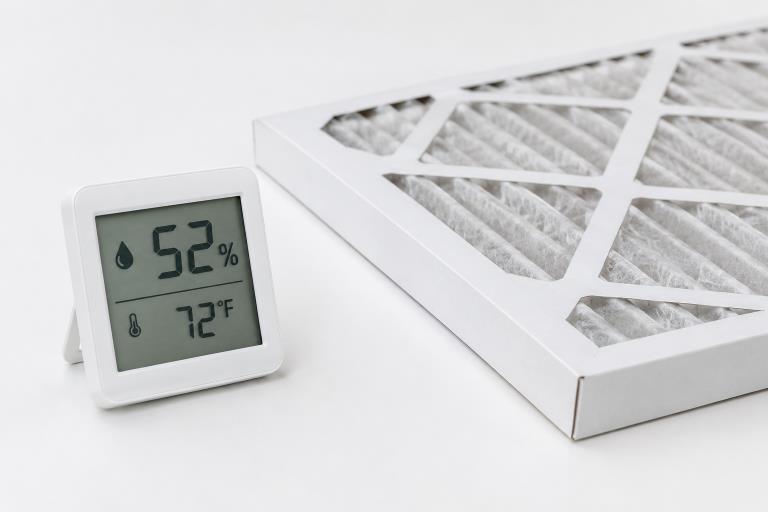
- Place a digital hygrometer in a regularly used room, away from direct supply vents.
- Check readings at different times of day, including after showering, cooking, and overnight cooling.
- Look for condensation on windows, pipes, or walls, along with musty odors or damp closets.
- Write down patterns for several days, including thermostat settings and AC run times.
The Environmental Protection Agency advises homeowners to keep indoor humidity below 60 percent, ideally between 30 and 50 percent. Condensation on cold surfaces can indicate excessive humidity, so dry the surface and investigate the water source rather than simply covering up the symptom.
A Simple Home Comfort Check
- Confirm the thermostat is set to cooling and compare its reading with another thermometer if it seems inaccurate.
- Check whether the fan setting is “Auto” or “On.” Continuous fan operation can sometimes circulate moisture left on the indoor coil after cooling stops.
- Make sure supply vents and return grilles are not blocked by rugs, furniture, or stored items.
- Inspect around the indoor unit for water, staining, or unusual odors.
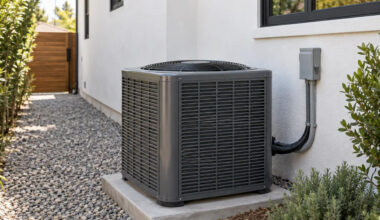
- Keep leaves, grass clippings, and stored items away from the outdoor unit.
When a Dehumidifier May Help
A portable dehumidifier may help in one damp room, basement area, or closet, particularly while the underlying issue is being identified. A whole-home dehumidifier can be considered when humidity remains elevated throughout the house despite normal AC operation. Neither option should be used to hide an active leak, a blocked drain, a duct defect, or a sizing problem.
Maintenance That Supports Humidity Control
Regular maintenance supports airflow and drainage. Replace or clean filters as directed, keep the outdoor unit clear, and have drain pans and drain lines inspected. The Department of Energy’s home cooling guidance also emphasizes proper equipment maintenance, air sealing, insulation, and the use of correctly sized cooling equipment. Closing multiple supply vents is usually not a reliable humidity fix because it can disrupt the airflow the system was designed to handle.
When to Seek Professional Help
Arrange an evaluation when the system turns on and off every few minutes, water collects near equipment, humidity stays high after basic checks, or some rooms are consistently much warmer than others. Burning smells, repeated electrical trips, suspected refrigerant leaks, and loud or unfamiliar mechanical noises also require prompt attention. Ask for a written diagnosis that distinguishes confirmed findings from possible causes.
Common Questions About Humid Indoor Air
Can a lower thermostat setting fix high humidity?
Not necessarily. It may lower the room temperature without fixing moisture entering the home, poor airflow, a drain problem, or short cycling.
Should the HVAC fan run all day?
The best setting depends on the system and the home. “Auto” commonly limits fan operation to active cooling cycles, while “On” keeps air moving continuously. Persistent humidity is a reason to discuss fan settings during a system assessment.
How quickly should a moisture problem be addressed?
Visible water, condensation, staining, and musty odors deserve prompt action. Cleaning affected materials alone is not enough if the source of moisture remains.
Conclusion
When an Atlanta home feels humid even with the AC running, the answer may involve more than just a thermostat adjustment. Check humidity readings, airflow, filters, drainage, ducts, and places where humid outdoor air may enter. Addressing the actual moisture source is the most dependable route to a cooler, drier, more comfortable home.