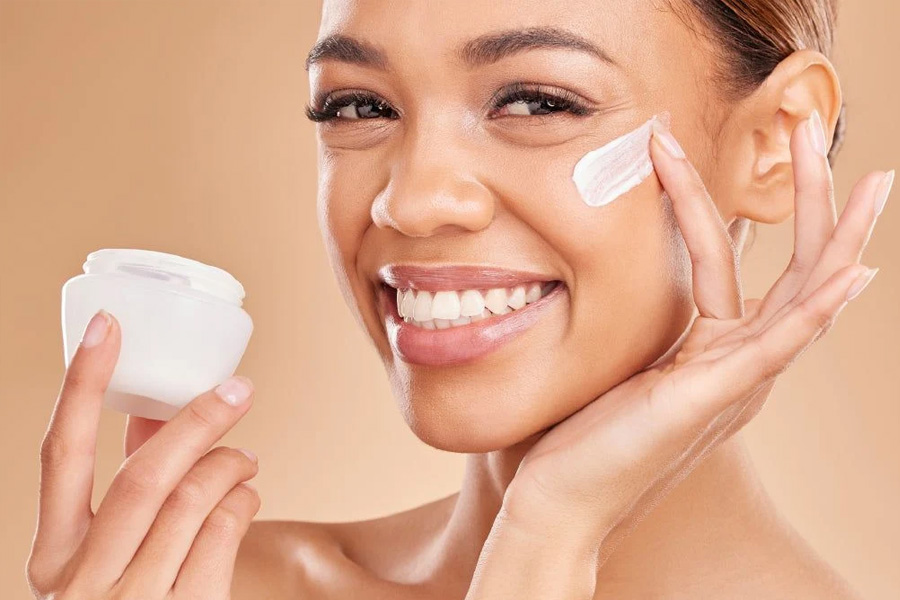
Selecting the appropriate moisturiser is fundamental to maintaining healthy and hydrated skin. Moisturising plays a critical role in skin care routines, providing essential hydration and creating a barrier that protects against environmental aggressors. This article explores the importance of choosing the right moisturiser, its benefits, and how to identify the best option for individual skin types.
The Role of Moisturiser in Skin Health
Moisturisers serve to replenish the skin’s moisture content and improve its barrier function. The skin’s outermost layer, the stratum corneum, requires adequate hydration to function efficiently. Without proper moisturisation, skin can become dry, flaky, and more susceptible to irritation and premature ageing.
Understanding Skin Types
Different skin types demand different formulations of moisturisers. Oily skin requires lightweight, non-comedogenic creams or gels that provide hydration without clogging pores. Dry skin benefits from richer creams that offer intense nourishment and restore lipids. Sensitive skin types should consider moisturisers with soothing, hypoallergenic ingredients to reduce the risk of reactions.
Key Ingredients to Look For
Effective moisturisers contain a combination of humectants, emollients, and occlusives. Humectants like glycerin and hyaluronic acid attract water to the skin. Emollients smooth the skin surface by filling gaps between skin cells, while occlusives such as petrolatum or dimethicone create a protective layer to prevent moisture loss. Choosing a moisturiser with a balanced combination of these components supports optimal hydration.
Benefits of Regular Moisturising
Regular application of the right moisturiser maintains skin elasticity and suppleness. It reduces the appearance of fine lines and wrinkles by improving skin hydration levels. Additionally, moisturising enhances the skin’s natural barrier, protecting against pollutants, UV damage, and irritants which can accelerate skin ageing.
The Impact of Environmental Factors
External factors such as climate, pollution, and sun exposure influence skin hydration needs. For instance, cold weather and low humidity environments deplete skin moisture rapidly, necessitating richer moisturisers. Conversely, in humid climates, lighter formulations prevent pore congestion. A suitable moisturiser adapts to environmental conditions and supports skin resilience.
How to Apply Moisturiser Effectively
Applying moisturiser correctly enhances its effectiveness. It should be applied on clean, slightly damp skin to lock in moisture. Using gentle upward strokes and allowing the product to absorb fully ensures better penetration and optimal hydration. Avoid over-application, which may cause greasiness or clogged pores.
Moisturiser and Anti-ageing Skincare
Incorporating moisturisers with anti-ageing ingredients such as peptides, antioxidants, and vitamins can amplify skin benefits. These components stimulate collagen production, protect against free radicals, and improve skin texture. Moisturising lays the foundation for effective anti-ageing regimes by keeping skin adequately hydrated and receptive to active ingredients.
Addressing Specific Skin Concerns
Customized moisturisers can target particular skin issues such as acne, rosacea, or eczema. Products formulated to be non-irritating, fragrance-free, and enriched with calming agents help manage these conditions. This personalised approach ensures moisturisation supports overall skin health without exacerbating sensitivities.
Choosing the Right Moisturiser from Beautify
Beautify offers a curated collection of moisturisers specially designed to cater to diverse skin needs. Their formulations prioritise natural ingredients, scientific research, and skin compatibility. Selecting from their range ensures users receive high-quality products effective for hydration and skin barrier restoration.
The Role of Dermatological Advice
Consultation with skincare professionals can guide the selection of the most appropriate moisturiser. Dermatologists and skin therapists assess skin type, condition, and concerns to recommend formulations that will deliver maximum benefit without adverse effects.
Common Moisturiser Myths
There are often misconceptions about moisturising, including the idea that oily skin does not require moisturiser or that excessive use leads to dependency. These are unfounded; all skin types require hydration, and balanced moisturising supports skin function rather than harming it.
Signs of an Inadequate Moisturiser
Using the wrong moisturiser may result in continued dryness, irritation, or breakouts. A product that feels heavy, greasy, or causes skin to feel tight indicates incompatibility. Recognising these signs helps in adjusting skincare routines to improve skin health.
Integrating Moisturiser into Daily Skincare Routines
A consistent moisturising habit in the morning and evening maximises benefits. Morning moisturisers often include added sun protection, while night formulations focus on repair and nourishment. Complementing moisturiser use with gentle cleansing and targeted treatments forms a comprehensive skincare regimen.
Conclusion
The right moisturiser is a cornerstone of healthy, hydrated skin. It supports the skin’s natural barrier, adapts to individual needs, and helps prevent premature ageing and environmental damage. Beautify provides a range of thoughtfully formulated moisturisers to address various skin concerns, ensuring users can maintain skin vitality and comfort effectively.