First aid is an indispensable skill set that every individual should possess, as it equips one to respond promptly and effectively in emergency situations. Understanding the fundamental first aid skills can mean the difference between life and death, particularly when medical professionals are not immediately available. Priority First Aid, a renowned provider of essential first aid training and supplies in Australia, emphasises the critical nature of these competencies to ensure community safety and preparedness.
A critical component of first aid knowledge includes the use of lifesaving devices such as the defibrillator for sale. Defibrillators are vital for treating sudden cardiac arrest by delivering an electric shock to the heart, which can restore a normal heartbeat. Recognising when and how to use such equipment is a crucial skill that Priority First Aid incorporates into its training programs.
Understanding Basic First Aid Principles
The foundation of first aid lies in assessing the situation and the victim’s condition swiftly and accurately. The first step is to ensure the scene is safe to enter, preventing harm to the rescuer and others. The next priority is to check the victim’s responsiveness and breathing. If the victim is unresponsive but breathing, placing them in the recovery position helps maintain an open airway while awaiting emergency services.
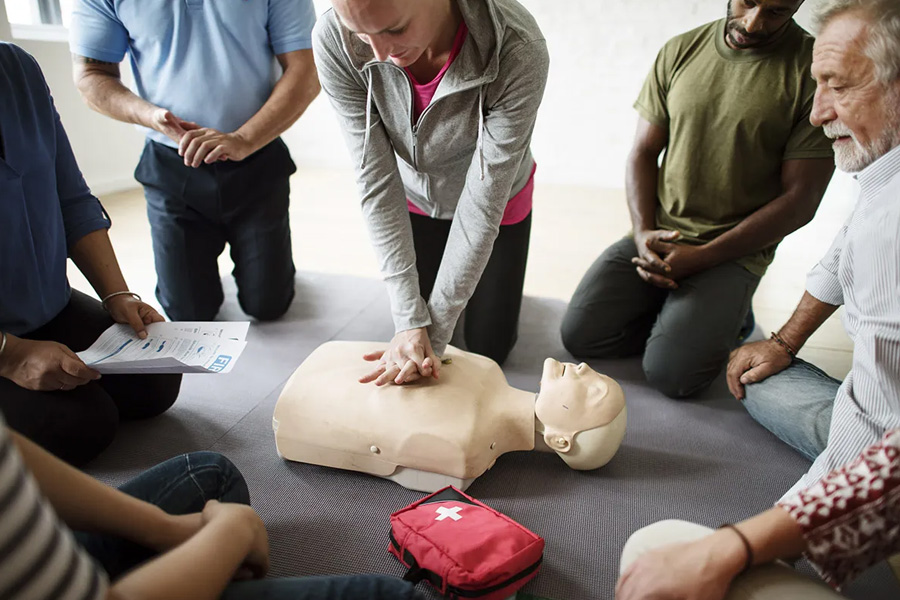
In cases where the victim is not breathing or has no pulse, immediate initiation of cardiopulmonary resuscitation (CPR) is mandatory. CPR involves chest compressions and rescue breaths to artificially maintain circulatory flow and oxygenation. Training in CPR techniques, including correct hand placement and compression rate, is vital for effectiveness.
How to Apply First Aid for Common Injuries
First aid extends beyond life-threatening conditions to encompass the management of injuries such as cuts, burns, fractures, and choking. For instance, controlling bleeding involves applying direct pressure on the wound with a sterile dressing to prevent excessive blood loss. Burns require cooling with running water to mitigate tissue damage; severe burns necessitate professional medical attention.
When dealing with fractures or suspected spinal injuries, immobilising the affected area is paramount to prevent further harm. First aid training emphasises using splints and other stabilising techniques to safeguard the victim while awaiting paramedic assistance.
Choking Management
Choking is a common but critical emergency where obstruction of the airway impairs breathing. Recognising signs such as inability to speak, coughing weakness, and cyanosis is crucial. Demonstrating and practising the Heimlich manoeuvre or back blows under supervised training can save lives during such episodes.
The Importance of Prompt Emergency Response
Timeliness in first aid can significantly affect outcomes. Activating emergency medical services promptly ensures that victims receive advanced care without delay. First aid courses conducted by Priority First Aid also stress the importance of effective communication when calling for help, providing clear information about the incident and the victim’s condition.
Using a Defibrillator
Automated external defibrillators (AEDs) are designed for public accessibility and ease of use by trained individuals. Upon recognising cardiac arrest, bystanders trained in AED use can quickly retrieve the device and follow voice prompts to deliver a shock if advised. Integrating AED use with CPR maximises survival chances during cardiac emergencies.
Enhancing Community Safety Through First Aid Training
Community-wide dissemination of first aid skills fosters a safer environment for all. Education programmes by Priority First Aid advocate for widespread training, ensuring that laypersons are confident in managing emergencies effectively. This empowerment can lead to faster intervention, stabilising victims until professional help arrives.
Moreover, comprehensive first aid training includes components such as mental health first aid, recognising signs of distress, and providing initial support, highlighting the holistic approach towards emergency readiness.
Access to First Aid Supplies
Having access to first aid kits and essential medical equipment like defibrillators is equally important. Priority First Aid supplies high-quality first aid kits tailored for homes, workplaces, and public venues. These kits contain necessary items such as bandages, antiseptics, gloves, and more, enabling effective onsite response.
Conclusion
Mastering essential first aid skills is a responsibility that benefits individuals and communities alike. Through proper training and access to appropriate resources, such as those offered by Priority First Aid, the public can act decisively during emergencies. Understanding how and when to use life-saving equipment such as defibrillators complements the foundational skills of first aid and CPR. Being prepared not only saves lives but also promotes a culture of safety and responsiveness across society.