One house on the block fights the same pest battle every single year. The one next door? Never an issue. Weird, right? Except it’s not luck. It’s rarely even bad housekeeping. Usually it traces back to a handful of specific, identifiable things — some fixable, some just circumstance. Here’s what’s actually going on, plus what’s worth knowing about professional treatment and covering the cost when it shows up unexpectedly.
What Actually Attracts Pests to a Home
Common Factors Homeowners Overlook
Pest problems don’t come out of nowhere. Homes that keep dealing with pest control in Midland, or places like it, tend to share a few underlying traits that make them more attractive to pests than the house two doors down.
Factors that increase pest activity:
- Accessible food — open garbage, pet food left sitting out, crumbs in the spots nobody ever checks
- Standing water or excess moisture, especially near the foundation
- Gaps or cracks in siding, foundations, anywhere utilities punch through the wall
- Overgrown vegetation touching the house — basically a welcome mat
- Clutter in basements, garages, storage areas where pests can just hide
Worth knowing: Older homes aren’t automatically worse off than new builds. Entry point gaps and moisture issues show up in construction of any age, the second maintenance slips.
Seasonal and Environmental Factors
Beyond the house itself — proximity to wooded areas, nearby construction stirring up existing nests, even a winter that stayed too mild — all of it can crank up pest pressure on a property no matter how well it’s kept. Genuinely outside a homeowner’s control, a lot of this. Which is exactly the argument for a professional assessment instead of assuming a pest problem means somebody’s slacking on cleaning.
Why Professional Treatment Makes a Real Difference
What a Proper Inspection Identifies
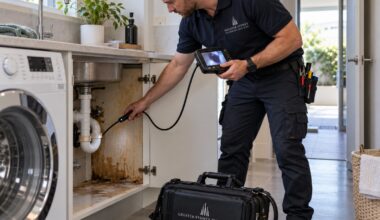
Established providers like Pro Pest are a good example of what a thorough response actually looks like. Not just spotting the pests you can see — finding the entry points, the conditions actually drawing them in. A real inspection chases down the cause, not just the symptoms. That’s exactly why professional treatment tends to actually stick, in a way DIY sprays and store-bought traps usually don’t.
What a quality inspection should cover:
- Entry points identified, not just whatever pest activity happens to be visible
- An honest look at moisture or food sources feeding the problem
- A treatment plan built around the actual cause, follow-up included if needed
When Pest Control Costs More Than Expected
Bigger infestations — structural damage, more than one pest type involved — can run well past what a routine treatment costs. Happens more than people expect. Some homeowners end up looking at quick loans to cover it, rather than putting off treatment that genuinely can’t sit around.
⚠️ Worth noting: “Quick” just means approval speed. That’s it. Says nothing about whether the lender’s actually legit. Before applying anywhere, check they’re licensed through your province’s financial regulator — FSRA, in Ontario — and read the full APR instead of getting distracted by how fast the money shows up.
Before signing anything, review:
- The full cost of borrowing, not just the approval timeline
- Whether something cheaper — credit union, line of credit — exists first
- Red flags: guaranteed approval, zero verification, fee structures that aren’t clear
Final Thoughts
Pest problems aren’t random. They trace back to specific, usually fixable things once you actually know what you’re looking for. Go after the real cause with a properly licensed provider instead of just spraying whatever’s visible, and that’s generally what keeps the same problem from showing up again next season.
Note: This article is for general informational purposes only and does not constitute financial advice. Please consult a licensed financial professional for guidance specific to your situation.