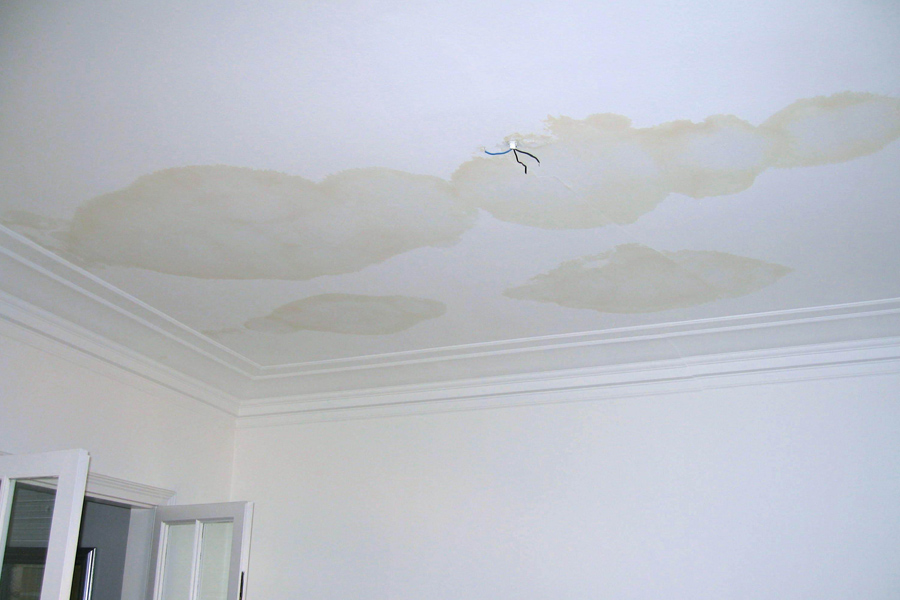
An interior water stain often sends homeowners searching for the roofing problem directly above it. That reaction is understandable, but moisture does not always follow a straight path after entering a roofing system. Effective Roof Repair depends on identifying where water entered, how it traveled, and which materials were affected before choosing a solution.
Roof structures contain slopes, decking, underlayment, framing, insulation, penetrations, and numerous transitions. Moisture can encounter these components and move sideways or downward before finally reaching a visible ceiling or wall. The first interior symptom therefore provides an important clue without necessarily identifying the exterior source.
Finding the actual pathway requires a broader investigation than simply matching a stain with one point on the roof. Homey Roofing and Restoration can evaluate exterior conditions alongside relevant interior evidence to develop a clearer picture of the problem. This method helps homeowners avoid treating a symptom while leaving its underlying cause unresolved.
Start by Documenting the Interior Evidence
Interior observations can provide useful information when they are documented carefully. Homeowners should note where staining appears, when it was first noticed, and whether its appearance changes during or after particular weather conditions.
Photographs can make those observations easier to compare over time. A stain that expands after heavy rain provides different context from discoloration that remains unchanged for months.
Residents should also note nearby walls, ceilings, fixtures, and attic spaces where appropriate. These details give a Roofing Company more information to consider when connecting interior symptoms with possible exterior conditions.
Understand How Water Can Travel
Once moisture passes beneath the exterior roofing surface, gravity influences its movement, but the path can still be complicated. Water may encounter decking, rafters, fasteners, insulation, or other materials before becoming visible.
A leak can therefore appear several feet from the original entry point. Roof slope and structural configuration may also influence the direction water follows beneath the surface.
This is why selecting a repair location solely from an interior stain can be misleading. Diagnosis requires tracing reasonable pathways and comparing them with conditions found above.
Compare Symptoms With Recent Weather
Timing can provide useful diagnostic context. A stain that appears after wind-driven rain may suggest different conditions from moisture noticed during ordinary rainfall or after changing seasonal weather.
Homeowners can record when symptoms become active instead of relying on memory during an inspection. Information about recent wind, precipitation, or visible exterior changes may help narrow the investigation.
Weather history alone cannot identify the source. It becomes more useful when combined with physical evidence from the roofing system.
Examine the Roof Area Above and Around the Stain
The roof section directly above an interior symptom deserves attention, but the evaluation should not necessarily stop there. Nearby slopes, transitions, penetrations, and drainage paths may also be relevant.
Expand the Search Beyond One Point
Professionals can consider how water would realistically move from surrounding exterior areas toward the interior evidence. This broader view reduces the chance of selecting the most obvious location without confirming that it explains the symptom.
Homey Roofing and Restoration can compare multiple observations before determining which area deserves attention. Diagnosis becomes stronger when the suspected source fits both exterior findings and the moisture pattern indoors.
Use Attic Conditions as Additional Evidence
Where an attic is safely accessible, it may provide valuable information between the exterior roof and finished living spaces. Moisture can sometimes leave discoloration, damp materials, or other evidence before reaching a ceiling below.
Attic observations may help professionals understand the direction in which water has traveled. They can also reveal whether moisture appears concentrated or has affected a wider area.
These clues still require interpretation. One damp location should not automatically be treated as proof of the precise exterior entry point.
Consider More Than the Visible Shingle Surface
Homeowners often associate leaks primarily with damaged shingles, but a roofing system contains many connected components. Valleys, roof edges, penetrations, transitions, drainage areas, and previous work can all deserve consideration during diagnosis.
A Roofing Company can evaluate how these components relate to the location of the interior symptom. The goal is to determine whether visible surface damage actually explains the moisture pathway.
This system-wide perspective also helps prevent unrelated cosmetic irregularities from being mistaken for the cause. The most noticeable exterior condition is not necessarily responsible for the leak.
Review Previous Roofing Work
Past work can provide useful context when investigating a recurring moisture concern. Homeowners should share available records showing earlier service, modified roof areas, or previous leak locations.
A repaired area does not automatically mean the same location has failed again. However, knowing what work occurred can help professionals understand differences in materials, transitions, and roof history.
Records are especially helpful when ownership has changed or several contractors have worked on the property. Documentation replaces uncertain recollections with dates and project information.
Look for Patterns Instead of Isolated Symptoms
Repeated moisture appearing under similar weather conditions may reveal a useful pattern. Homeowners can track whether staining occurs every time it rains or only during particular combinations of wind and precipitation.
Patterns may also involve multiple interior locations. Two stains that appear unrelated from inside the home could potentially connect to conditions within the same roof section.
Careful documentation gives professionals more evidence to evaluate. It can also help distinguish an active concern from old staining left behind by a previously corrected issue.
Avoid Assuming Every Stain Is Active
Discoloration can remain visible after moisture has dried and the original problem has been addressed. Seeing an old stain does not necessarily mean water is currently entering the building.
Homeowners can monitor the area for changes in size, color, texture, or dampness. Photographs taken at different times may make subtle changes easier to recognize.
Professional evaluation is still appropriate when the history is uncertain. Determining whether moisture is active is an important part of deciding what response makes sense.
Match the Repair Scope to Confirmed Conditions
Once the likely source has been identified, the next question is how much of the surrounding roofing system has been affected. A localized entry point does not automatically require extensive work across unrelated roof sections.
At the same time, correcting only the visible exterior defect may be insufficient if prolonged moisture has affected nearby materials. The appropriate Roof Repair scope should reflect inspection findings rather than the size of the interior stain.
Homey Roofing and Restoration can evaluate relevant surrounding conditions when developing recommendations. This allows the proposed response to correspond with observed roofing conditions instead of assumptions about how far the problem extends.
Confirm Whether the Solution Addresses the Cause
Leak diagnosis should connect the interior evidence, suspected moisture pathway, and exterior condition into one reasonable explanation. If those pieces do not align, additional evaluation may be appropriate before work proceeds.
Homeowners can ask why a particular area is considered the likely source and what evidence supports that conclusion. Clear explanations make recommendations easier to understand and compare with observed symptoms.
A professional Roofing Company should be able to explain the relationship between findings and the proposed response. Diagnosis is most useful when it gives homeowners a logical basis for deciding what happens next.
Make Leak Investigation a Process of Evidence
An interior stain is valuable evidence, but it represents the place where moisture became visible rather than a guaranteed map to the exterior opening. Water can travel through several roofing and structural components before homeowners recognize a problem.
A careful investigation considers timing, weather, attic evidence, surrounding roof sections, previous work, and the condition of connected roofing components. Looking at these factors together provides a stronger basis for identifying a likely moisture pathway.
Homeowners who document symptoms and avoid assuming the source can make professional evaluations more productive. When diagnosis focuses on evidence from both inside and outside the home, the resulting decision can address the actual roofing concern instead of merely targeting the first visible sign of water.