A dependable plumbing system is essential for maintaining comfort, convenience, hygiene, and efficiency in any property, share Vesta Property Management experts. Pipes work continuously to deliver clean water to fixtures and transport wastewater away from living spaces, yet many plumbing components remain hidden behind walls, beneath floors, or underground. As pipes age, they can become affected by corrosion, mineral buildup, cracks, weakened joints, leaks, and reduced water flow. Repeatedly repairing individual problems may provide temporary relief, but widespread deterioration can eventually make replacement a more practical solution. Professional repiping can provide an opportunity to replace aging plumbing with suitable modern materials, improve system performance, reduce recurring problems, and create a more reliable water distribution network.
What Is Repiping?
Repiping involves replacing some or all of the existing water supply pipes within a property with new plumbing materials. The scope of the project depends on the age and condition of the existing system, the number of affected pipes, and the specific needs of the property. In some situations, only certain sections may require replacement, while severely deteriorated systems may benefit from a more comprehensive approach. The goal is to create a dependable water distribution system while addressing recurring issues associated with old or damaged pipes. A professional assessment is important because it can determine whether replacement is necessary and which materials are most appropriate for the project.
Why Aging Pipes Become a Problem
Plumbing pipes can deteriorate gradually because of age, corrosion, mineral deposits, pressure changes, temperature fluctuations, and environmental conditions. Some older materials may be more susceptible to corrosion or internal buildup, which can reduce the diameter of the pipe and restrict water flow. Connections can also weaken over time, increasing the likelihood of leaks. Because much of the plumbing system is hidden, deterioration may continue unnoticed until symptoms become obvious. When several problems begin occurring in different areas, it may indicate that the overall plumbing system is approaching the end of its useful service life rather than experiencing isolated fixture problems.
Signs That Pipes May Need Replacement
Several warning signs can indicate that existing plumbing pipes are deteriorating. Frequent leaks, discolored water, low water pressure, unusual noises, visible corrosion, and recurring plumbing problems may all deserve professional attention. If repairs are repeatedly required in different areas, the underlying issue may be the age or condition of the pipes themselves. Water stains or damp areas around walls and ceilings can also indicate hidden pipe problems. Recognizing these symptoms early allows property owners to arrange an inspection and determine whether repiping would provide a more dependable long-term solution than continuing with repeated repairs.
Frequent Plumbing Leaks
Repeated leaks are one of the strongest signs that an aging plumbing system may need broader attention. A single leak can often be repaired without replacing the surrounding pipe network, but multiple leaks occurring over time may suggest widespread deterioration. Pipes that have become weakened by corrosion, age, or mineral buildup may continue developing new leaks even after individual sections are repaired. Continually replacing small sections can become expensive and disruptive if the underlying system remains in poor condition. A professional inspection can help determine whether isolated repairs are sufficient or whether replacing larger sections of the plumbing would provide greater long-term reliability.
Low Water Pressure
Low water pressure throughout a property can sometimes be caused by plumbing pipes that have become restricted internally. Mineral deposits, corrosion, or accumulated debris can reduce the usable diameter of older pipes, limiting the amount of water that reaches fixtures. If cleaning fixtures and checking valves does not resolve the issue, the condition of the supply pipes may need to be evaluated. Low pressure can affect showers, faucets, appliances, and other water-using fixtures, making everyday activities less convenient. Replacing severely restricted pipes can restore more consistent water delivery when deterioration is identified as the underlying cause.
Discolored or Unusual Water
Changes in water appearance can sometimes provide clues about the condition of plumbing components. Brown, yellow, or rusty-looking water may occur when aging metal pipes develop internal corrosion or when sediment becomes disturbed inside the plumbing system. Temporary discoloration can have several possible causes, so it should not automatically be assumed that the pipes need replacement. However, persistent changes in water quality deserve professional investigation. An experienced plumber can evaluate the plumbing system, determine whether aging pipes are contributing to the problem, and explain whether targeted repairs or broader replacement would be appropriate.
Visible Corrosion
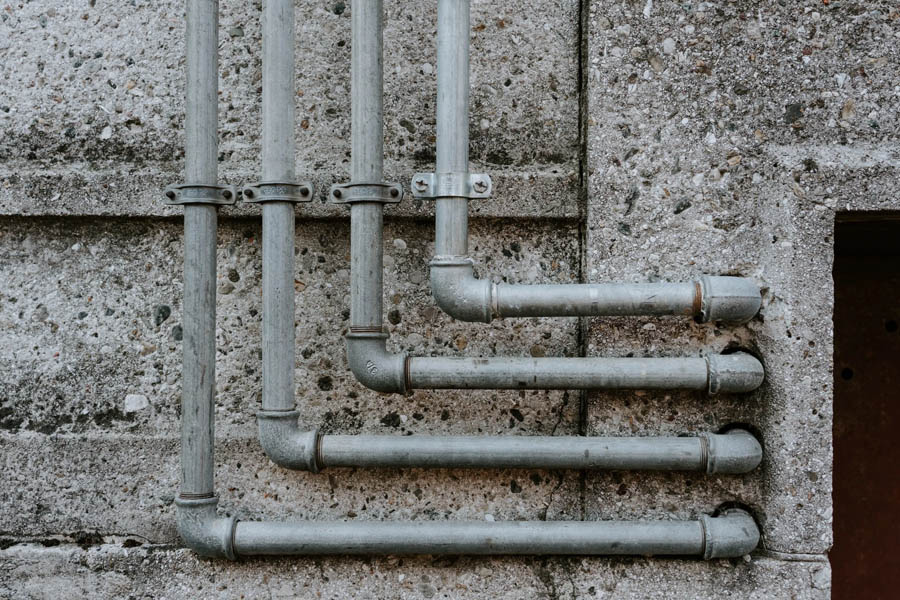
Visible corrosion on exposed plumbing pipes is another warning sign that should not be ignored. Corrosion can weaken pipe walls and create conditions where leaks eventually develop. Although surface corrosion does not always mean that an entire plumbing system must be replaced, widespread corrosion can indicate that the pipes are reaching the later stages of their service life. A professional inspection can help determine whether the problem is isolated or widespread. Evaluating the condition of exposed pipes can also provide useful information about sections that are hidden behind walls or beneath floors and may not be directly visible.
Choosing the Right Pipe Material
Modern plumbing projects can use several types of pipe materials, each with different advantages and installation requirements. Options may include PEX, copper, CPVC, and other approved materials designed for specific plumbing applications. The best material depends on factors such as water temperature, pressure, installation environment, expected service life, compatibility, and project budget. A professional plumber can compare available options and recommend materials suited to the property’s plumbing requirements. Selecting the right material is an important part of repiping because the replacement system should be designed for dependable performance rather than simply replacing old pipes with the first available option.
PEX Plumbing
PEX is a flexible plastic piping material commonly used for water supply systems. Its flexibility can make routing easier in certain applications because it can often be installed with fewer connections than rigid piping. Fewer connections may also reduce potential points where leaks could develop. PEX is available in different sizes and is designed for specific temperature and pressure applications. However, proper installation requires appropriate fittings, tools, support, and protection from conditions that could damage the material. Whether PEX is suitable depends on the specific plumbing system and project requirements, so professional evaluation is recommended before selecting it.
Copper Plumbing
Copper has been widely used in plumbing systems because of its durability and established performance characteristics. It can handle hot and cold water applications and is resistant to many forms of damage when properly installed and maintained. Copper is generally more rigid than flexible plastic materials, which can make installation more labor-intensive in certain layouts. Its cost may also be higher than some alternative materials. Despite these considerations, copper remains an option for many plumbing projects. The best choice should be based on the property’s requirements, installation conditions, budget, and the expected long-term performance of the system.
Planning a Repiping Project
Careful planning is essential before replacing a plumbing system. The project should begin with an evaluation of existing pipes, fixture locations, water demand, pipe sizes, access points, and the overall condition of the plumbing network. The installation plan should also consider how walls, ceilings, floors, cabinets, and other areas may be affected. Efficient routing can minimize unnecessary pipe runs and make future maintenance easier. A detailed plan allows property owners to understand the scope of the work and gives plumbers an opportunity to identify potential challenges before installation begins.
Minimizing Disruption During the Project
Replacing plumbing pipes can involve access to areas where existing pipes are concealed, so some level of disruption may be unavoidable. However, careful planning can help limit unnecessary opening of walls, ceilings, or floors. Experienced plumbers can identify strategic access points and develop pipe routes that reduce the amount of construction required. Clear communication before work begins can also help property owners understand which areas may be affected. Once the new system is installed and tested, damaged surfaces can be restored as needed. A well-organized project can make the replacement process more manageable and efficient.
Benefits of Replacing Aging Pipes
One of the main benefits of repiping is the opportunity to address recurring plumbing problems at their source. New pipes can eliminate severely corroded sections, reduce the likelihood of leaks caused by deteriorated materials, and improve water flow when old pipes have become restricted. A replacement project can also provide an opportunity to reorganize pipe routes and improve accessibility for future maintenance. Depending on the existing system and selected materials, replacement may offer better long-term reliability than continuing to repair individual failures. Property owners should consider both immediate improvements and future maintenance when evaluating the benefits.
Improving Water Flow and Pressure
When old pipes become heavily restricted by corrosion or mineral buildup, replacing them can improve the amount of water reaching fixtures. Better flow can make showers, faucets, appliances, and other plumbing fixtures operate more effectively. However, low pressure can have many causes, including supply problems, faulty valves, clogged aerators, or pressure-regulating equipment, so the pipes should be evaluated before replacement is recommended. If deteriorated pipes are confirmed as the cause, a properly designed replacement system can restore more consistent water delivery. Correct pipe sizing and routing are also essential for achieving the desired performance.
Preventing Recurring Leaks
Replacing aging pipes can help reduce the frequency of leaks when deterioration is widespread. Repairing one damaged section may solve an immediate problem, but another weakened section could fail later. This cycle can result in repeated service calls, water damage, and ongoing expenses. A comprehensive assessment helps determine whether the system has isolated problems or widespread deterioration. If replacement is justified, installing new pipes can provide a more consistent foundation for the plumbing system. Proper installation, support, and testing are also necessary to ensure that the replacement system performs reliably.
Importance of Professional Installation
A plumbing replacement project requires more than simply removing old pipes and installing new ones. Pipe sizing, connection methods, routing, support, pressure testing, and fixture compatibility must all be considered. Incorrect installation can create leaks, poor water pressure, unnecessary noise, and other problems even when high-quality materials are used. Experienced professionals understand how different pipe materials behave and how to install them according to their intended applications. Professional repiping can therefore provide greater confidence that the new plumbing system has been designed and installed for long-term performance.
Testing the New Plumbing System
Testing is an essential part of completing a plumbing replacement project. Before walls, ceilings, or floors are permanently closed, the new system should be checked for leaks, pressure problems, flow restrictions, and connection defects. Fixtures should also be operated to confirm that water is reaching them properly and that drainage is functioning as expected. Identifying problems while pipes remain accessible makes corrections much easier than discovering them after construction has been completed. Thorough testing provides an important final quality check and helps ensure that the replacement system is ready for regular use.
Maintaining New Pipes
New plumbing pipes generally require less maintenance than severely deteriorated older systems, but regular attention remains important. Property owners should periodically inspect accessible connections for moisture and monitor changes in water pressure, water appearance, or fixture performance. Sudden changes should be investigated rather than ignored because they may indicate a developing issue elsewhere in the system. Maintaining appropriate water pressure and avoiding unnecessary strain on fixtures can also help protect the plumbing. Good maintenance habits can extend the service life of new pipes and help preserve the benefits of a replacement project.
Cost Considerations
The cost of replacing plumbing depends on several factors, including the size of the property, the number of pipes being replaced, the selected materials, accessibility, labor requirements, and the complexity of the existing system. Although a complete replacement can require a significant investment, repeated repairs can also become expensive over time. Property owners should consider both the immediate project cost and the potential long-term savings associated with fewer leaks, reduced maintenance, and improved reliability. Obtaining a detailed assessment and understanding the proposed scope of work can help make financial planning easier.
When Partial Replacement May Be Appropriate
A full plumbing replacement is not always necessary. If an inspection shows that most of the existing system remains in good condition while only certain sections have deteriorated, targeted replacement may be appropriate. The decision should consider the age and material of the existing pipes, the frequency of failures, accessibility, and the likelihood of additional problems developing. Partial replacement can address serious defects while preserving healthy sections of the existing system. A professional evaluation can help determine whether localized work is sufficient or whether broader replacement would provide better long-term value.
Long-Term Plumbing Reliability
The ultimate goal of replacing aging plumbing is to create a system that performs consistently for many years. New pipes can reduce problems associated with corrosion, mineral buildup, weak joints, and deteriorated materials when the replacement is properly designed and installed. Improved routing and accessibility can also make future maintenance easier. Property owners can further protect the investment by monitoring the system and addressing unusual symptoms promptly. Quality materials combined with professional workmanship and regular maintenance can create a dependable plumbing network that supports everyday water needs with fewer unexpected disruptions.
Final Thoughts
Aging plumbing pipes can create recurring leaks, low water pressure, discolored water, corrosion, and other problems that affect comfort and property maintenance. While individual repairs can sometimes resolve isolated issues, repeated failures may indicate that the overall plumbing system requires more comprehensive attention. A professional evaluation can determine the condition of existing pipes and identify whether partial or complete replacement is appropriate. Choosing suitable materials, planning efficient routes, securing connections, and thoroughly testing the new system are all important steps toward long-term reliability. When aging pipes have reached the point where repairs are no longer practical, professional repiping can provide a durable solution that improves plumbing performance, reduces recurring problems, and gives property owners greater confidence in their water supply system.