Turbocharged engines generate strong performance from relatively compact engine packages, but that performance also creates heat around the turbocharger, exhaust system, and lubricated components. Engine oil must continue flowing through these areas while maintaining the viscosity and protective film needed to reduce friction. Over time, repeated exposure to elevated temperatures can accelerate oil oxidation, contamination, and breakdown. Regular oil change services help replace oil before heat and deposits reduce its ability to protect moving parts. Following an appropriate service schedule can support cleaner lubrication passages, steadier oil pressure, and more reliable operation under demanding temperature conditions.
How Heat Changes Oil Performance
Higher Temperatures Can Accelerate Oil Breakdown
Engine oil is designed to work across a wide temperature range, yet sustained heat can gradually change its chemical condition. Turbochargers operate near very hot exhaust components, and the oil circulating through the turbo bearing housing may experience more thermal stress than oil in cooler parts of the engine. Drivers choosing quick oil change service from EZ Lube Oil Change can use routine service to replace oil that has accumulated heat exposure, combustion byproducts, and contaminants over time. As oil oxidizes, it can become thicker, form varnish, or lose some of the characteristics needed for smooth circulation. This becomes more important when short trips, heavy traffic, towing, steep grades, or hot weather repeatedly raise operating temperatures. Fresh oil helps restore the lubrication properties specified for the engine and gives the turbocharger a cleaner supply of oil during acceleration, cruising, and cooldown periods. Regular replacement also reduces the amount of aged oil remaining in the system to carry heat through already demanding operating conditions.
Turbocharger Bearings Depend on Reliable Oil Flow
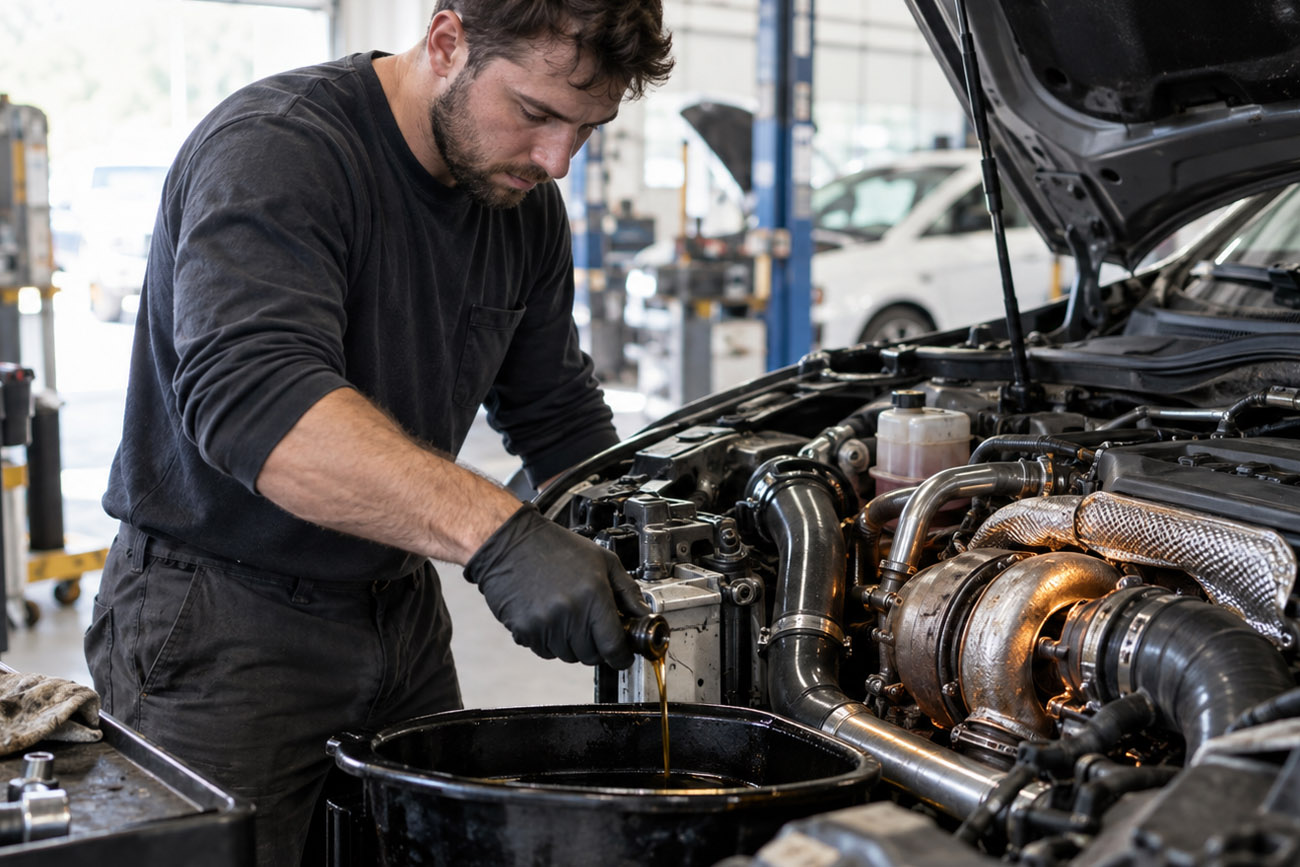
The turbocharger shaft can rotate at extremely high speed, which makes steady lubrication important for controlling friction and heat around its bearings. Oil reaches the turbocharger through relatively small passages, so contamination, sludge, or thickened oil can interfere with the flow needed to protect these components. When oil remains in service too long under elevated temperatures, deposits may become more likely around narrow oil passages and hot surfaces. Oil change services remove used oil along with suspended contaminants and replenish the engine with oil that has the proper viscosity grade and additive package for the vehicle. This does not repair a damaged turbocharger, but it helps maintain the conditions the lubrication system was designed to provide. A clean oil filter also supports reliable circulation by trapping particles before they continue through the engine. For turbocharged vehicles, keeping both the oil and filter within the recommended service interval can be particularly important because bearing protection depends on a consistent supply of clean lubricant whenever the turbocharger is operating under load.
Clean Oil Helps Limit Heat Related Deposits
High temperatures can encourage deposits in areas where oil is exposed to intense heat, particularly if the oil has already accumulated many miles or extended operating hours. Deposits may form around oil passages, piston areas, turbocharger components, or other hot surfaces and can interfere with lubrication over time. Routine oil changes help remove contaminants before they remain in circulation for an excessive period. Fresh oil also contains detergents and dispersants intended to keep certain contaminants suspended until they can be captured by the filter or removed during the next service. This is important for turbocharged engines because heat and pressure can make neglected oil more vulnerable to deterioration. Keeping oil cleaner does not eliminate every possible deposit, but it supports the engine’s normal methods of controlling contamination. Consistent maintenance also gives drivers a chance to notice unusual oil consumption, low oil levels, or changes in oil condition before those issues contribute to added thermal stress or poor lubrication during demanding driving.
Correct Oil Viscosity Supports Protection Under Load
Turbocharged engines rely on oil that can flow quickly at startup while still maintaining adequate film strength once temperatures rise. Using the viscosity grade and oil specification recommended by the vehicle manufacturer helps balance these needs. Oil that has degraded through heat, contamination, or extended use may not behave as consistently as fresh oil under changing operating conditions. Oil change services provide an opportunity to restore the correct lubricant and verify the oil level, which is important because low oil volume reduces the system’s ability to carry heat away from lubricated components. Under acceleration or sustained highway driving, the turbocharger and engine may experience greater thermal demand, making proper lubrication even more important. Service intervals should reflect manufacturer guidance as well as driving conditions, since repeated short trips, heavy loads, or hot climates may place additional demand on the oil. Maintaining the correct oil type and level helps the lubrication system protect bearings, camshafts, pistons, and turbocharger components throughout normal operation.
Supporting Turbocharged Engines With Timely Oil Changes
Oil change services matter for turbocharged engines because higher operating temperatures can accelerate oil oxidation, contamination, and deposit formation. The turbocharger depends on clean, properly specified oil to lubricate fast moving bearings and carry heat away from critical surfaces. Timely oil replacement refreshes additives, removes suspended contaminants, and gives drivers an opportunity to confirm oil level and filter condition. Following the vehicle manufacturer’s service guidance can help preserve steady lubrication during demanding driving and hot weather. When oil remains clean and suitable for the engine, turbocharged systems have a stronger foundation for reliable performance, smoother operation, and long term protection.