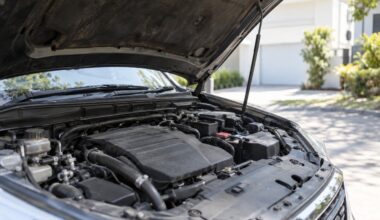
Testing a used car by just taking it for a quick ten-minute spin around the block is like testing a mattress by just trying to sit on it quickly in a showroom: don’t expect much. If there are going to be problems being discovered with the vehicle, you’ll need to take it out through traffic, up and down hills and around roundabouts, plus on to a stretch of highway. That longer and more varied test drive is where problems tend to reveal themselves.
Why a short loop hides more than it reveals
Every car on the lot has been driven around the dealership, idling smoothly for two minutes. But that car idle, in and of itself, doesn’t tell you how it behaves after you’ve been stuck in rush hour for fifteen minutes with the A/C on.
Take a test drive along a flat, predictable route (most likely around the dealership.) Most cars will behave well in these predictable conditions, but so will many bad cars! A bad car may show signs of hesitation on start-up or gear hunting on hills, or a transmission that slips under load. A mixed-route drive will expose the weak points of an engine and transmission. Forcing a car out of its predictable low-load, low-speed environment will show you how it behaves under a variety of conditions.
City streets expose a different set of problems
If you’re test driving second hand cars perth, stop-start traffic is the first place to put them through their paces. If you notice pulsation or warping in your brake pedal in traffic, it’s a sign that stop-start traffic is taking its toll on your vehicle’s brakes (and clutches, if you drive a manual transmission). If your car idles at traffic lights and the temperature gauge moves upward rapidly and/or you hear the cooling fan turn on and off, it’s a sign that the thermostat may be on its last legs or that the cooling system needs some attention.
Cars with failing cooling systems will often run hot in traffic and fine on open roads. The clutch in a manual transmission vehicle should engage smoothly and consistently; if it feels jerky or grabby at times and mushy at others, it’s a sign that the clutch is taking a pounding in traffic.
The open road tells the rest of the story
Certain problems only become apparent at high speeds.
Wheel-balance issues will result in a vibration being felt through the wheel at certain speeds. A failing wheel bearing at lower speeds may be hidden by other noises such as road and engine noise, but at higher speeds it becomes a low hum or growling noise which becomes louder as speed increases. Wander while driving straight ahead indicates a need for wheel alignment.
If you never take a vehicle out on the highway, you won’t be able to see half of its problems.
Roundabouts, speed bumps, and tight corners matter more than people think
Before you sign on the dotted line, make sure you give the car a proper test drive. Include a roundabout or two in your trip to check for any play in the steering wheel, clicks from the CV joints or a whining from the power steering pump, all sure signs of steering or suspension issues.
Drive over ordinary speed bumps at low speed to check for excessive jolts or unusual suspension noises. Anything that makes the ride feel harsh, floaty or noisy over uneven surfaces suggests degrading suspension compliance and the seller may not volunteer this information.
While you’re at it, check the car out on how well it manages hills, highways and stop-start traffic light conditions. Most reputable second-hand car dealers in Perth will be happy to accommodate a test drive that includes all of these.
If the seller is reluctant or wants to keep the trip short and local, it could be a red flag.
Treat the drive as your filter before you spend on an inspection
When test driving a vehicle, pay attention to how it handles and feels rather than just whether or not it runs. Does it handle bumps in the road well? How noisy is the cabin at highway speeds? And on a longer drive – how comfortable are the seats? If any of these factors seem significantly worse than you would expect for a vehicle of this age, the car is not for you – there’s no point paying a mechanic to look any further.
Australia sold around 1.2 million new vehicles in 2023 (FCAI), while approximately 2.07 million used vehicles changed hands (AADA), highlighting the importance of due diligence when buying second-hand. If the car drives well in traffic, on the highway, up hills and around corners, it may be worth a second look. If it struggles in any of those scenarios, that’s all you need to know before you spend any more money.
Before handing over any cash, the next steps should be to check the car’s PPSR (to make sure it’s not under finance or has been written off), and have a qualified mechanic carry out a pre-purchase inspection. But if the car fails at the test drive stage, there’s no point going any further.