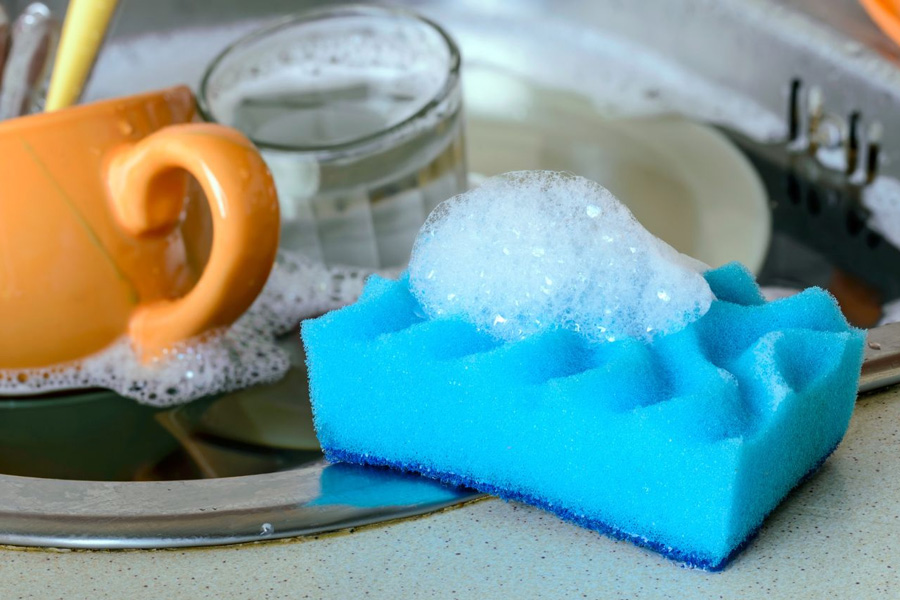
A kitchen can look spotless and still have an unpleasant smell coming from something as small as a sponge or dishcloth. You might wash the dishes, wipe the countertops, and rinse the sink, only to notice a sour, musty odor when you pick up the sponge the following morning. Even after rinsing it thoroughly, the smell sometimes returns within hours. This happens because kitchen cleaning tools absorb more than the water and soap used during everyday chores.
Sponges and cleaning cloths come into contact with food particles, cooking grease, moisture, and bacteria throughout the day. If these materials remain damp or are reused without proper washing, unwanted odors can develop. A professional cleaning service can help maintain household surfaces, but keeping everyday cleaning tools hygienic also requires attention between cleaning sessions. For a residential cleaning company such as SQKY Cleaning, the wider purpose of kitchen maintenance is connected to removing dirt and residue rather than simply making surfaces look presentable. Understanding what causes odors in reusable cleaning materials can help prevent the same problem from returning.
What Causes Kitchen Cleaning Tools to Smell?
The main reason kitchen sponges develop unpleasant odors is the combination of moisture, trapped organic material, and microbial activity. A sponge has a porous structure that absorbs water quickly, making it useful for wiping dishes and countertops. Unfortunately, those same openings can hold tiny food particles and other residues that are not completely removed by an ordinary rinse.
Consider what happens after preparing dinner. A sponge may be used to wipe away cooking oil, remove crumbs, clean a plate covered with sauce, and scrub residue from the sink. Although the sponge might look clean afterward, small amounts of these substances can remain inside it. When bacteria and other microorganisms break down the trapped material, they can produce compounds responsible for unpleasant smells.
Moisture makes the problem worse. A sponge left at the bottom of a sink or inside a closed container may stay damp for long periods. Without sufficient airflow, it dries slowly, allowing microbial growth to continue. A sour odor does not identify a particular type of bacteria, and the absence of a smell does not mean a sponge is free of potentially harmful microorganisms.
Cleaning cloths develop similar problems, although their structure is different. Cotton towels and microfiber cloths can retain grease, detergent residue, and moisture between their fibers. When they are folded while damp or left in a pile beside the sink, odors may develop before the next cleaning session.
How Everyday Kitchen Habits Make the Problem Worse
Many sponge odors begin with ordinary habits that seem harmless. One of the most common is using the same sponge for several unrelated cleaning tasks. A sponge used to wash dishes might also wipe the stovetop, remove food spills, and clean the sink. Each task introduces different types of residue, and rinsing alone may not remove everything collected during the process.
The problem becomes more serious when a sponge touches raw meat juices or other potentially contaminated food residues. Bacteria can transfer from those materials to the sponge and then to another surface. For this reason, disposable paper towels are often a better choice for cleaning up raw meat juices, followed by appropriate cleaning and sanitizing of the affected countertop or sink.
Using too much dishwashing detergent can also create problems. Soap helps loosen grease and dirt, but a large amount does not necessarily produce better cleaning results. If the sponge is not rinsed properly, some detergent and loosened residue may remain trapped inside it. The resulting mixture can make the sponge feel slippery and contribute to an unpleasant smell over time.
Another overlooked habit is leaving wet clothes hanging over the faucet or folded on the counter. Although the exposed portion may dry, the material underneath can remain damp. A cloth used repeatedly throughout the day needs an opportunity to dry completely, and one that has become dirty should be washed rather than simply rinsed and hung back in place.
These habits also explain why a kitchen may need attention even when its visible surfaces appear clean. The condition of the tools used for wiping and scrubbing affects the cleanliness of countertops, sinks, and other food preparation areas.
Why Clean Cleaning Tools Matter During Kitchen Maintenance
Keeping cleaning equipment in good condition is part of maintaining a hygienic kitchen. A dirty sponge can transfer residue from one area to another, while a greasy cloth may leave streaks or a thin film on surfaces that have just been wiped.
This is particularly noticeable around stovetops, kitchen counters, and cabinet fronts. Grease that collects in a cloth can spread across a larger surface instead of being removed. Someone may wipe a countertop several times without realising that the cloth itself is leaving residue behind.
Clean tools are equally important during professional kitchen cleaning. An nyc cleaning service handling kitchen countertops, sinks, and food preparation areas needs fresh cloths and properly maintained equipment to avoid spreading residue between surfaces. Kitchen clothes should not be used for bathroom fixtures, and materials exposed to food contamination should be handled separately from those used on ordinary furniture or floors..
For example, the type of detailed kitchen cleaning associated with SQKY Cleaning involves attention to cooking surfaces, sinks, counters, and other frequently used areas. Those surfaces require suitable cleaning products and hygienic wiping materials. A fresh microfiber cloth used on a lightly dusty cabinet should not be treated the same way as a cloth that has already absorbed cooking grease or food residue.
Homeowners can follow the same principle without creating a complicated cleaning system. Keeping separate clothes for dishes, counters, and other household tasks reduces unnecessary cross-contamination. It also makes it easier to recognise when a particular cloth needs washing or replacement.
How to Wash Sponges and Cloths Properly
Kitchen sponges and reusable cloths need different cleaning methods because their materials and construction are not the same. While many fabric cloths can be machine-washed, sponges are more difficult to clean thoroughly because residue can remain inside their porous structure.
Washing Reusable Kitchen Cloths
For washable cotton or microfiber cloths, begin by removing loose food particles and rinsing away heavy residue. A cloth that has absorbed a large amount of grease may benefit from pretreatment with a suitable laundry detergent before washing.
Follow the care label when selecting the wash temperature. Use the warmest setting recommended for the fabric and an appropriate amount of detergent. Excess detergent may be difficult to rinse away, particularly from absorbent materials.
Once the washing cycle is complete, dry the clothes thoroughly. Damp fabric left inside a washing machine, laundry basket, or closed cupboard can develop a musty smell even after washing. A dryer may be suitable for some fabrics, while others should be air-dried according to their care instructions.
Microfiber cloths may require special attention because fabric softeners can interfere with their cleaning performance. Many manufacturers recommend avoiding softeners and high drying temperatures. Checking the label before laundering helps preserve the cloth’s ability to capture dust and wipe surfaces.
Cleaning and Replacing Kitchen Sponges
Kitchen sponges require a more cautious approach. The United States Department of Agriculture notes that sponges can contain bacteria and are difficult to clean reliably. Although some sanitizing methods may reduce microbial contamination, they do not guarantee that a used sponge will be free from cross-contamination risks.
For everyday care, rinse away visible food debris, squeeze out excess water, and place the sponge somewhere it can dry with adequate airflow. Avoid leaving it submerged in a bowl of water or trapped beneath dishes in the sink.
Replace sponges frequently, especially when they develop persistent odors, begin falling apart, feel unusually slimy, or no longer clean effectively. A sponge that still looks usable is not necessarily hygienic, particularly if it has been exposed to raw food contamination.
Some households use dishwasher or microwave methods to reduce bacteria in sponges, but these approaches have limitations and potential safety risks. Not all sponges are compatible with heat treatment, and a microwave can create a fire hazard if the material is unsuitable or too dry. Frequent replacement is often the simpler choice.
Prevent Odors by Changing How Cleaning Tools Are Stored
Storage has a significant influence on how long sponges and cloths remain usable. A sponge placed directly on a wet sink ledge is likely to dry more slowly than one held in a ventilated holder where water can drain away.
A suitable sponge holder should allow air to circulate and should be cleaned regularly. If the holder collects dirty water, soap residue, and food particles, it can become another source of unwanted odors.
Cloths should be spread out after use rather than left folded in thick layers. Hanging them separately allows moisture to evaporate more readily. Once a cloth has been used for greasy or heavily soiled cleaning, laundering it is better than allowing it to dry and reusing it repeatedly.
These small adjustments also make everyday maintenance easier. Instead of discovering that every cloth smells unpleasant just before preparing a meal, you can keep clean replacements available and place soiled items directly in the laundry.
For households that already schedule professional visits, these habits can support the work completed during each appointment. A cleaning service may address accumulated dirt on kitchen surfaces, but everyday activities will continue to introduce moisture, crumbs, and food residue. Taking care of cleaning supplies between visits prevents neglected tools from undermining regular kitchen maintenance.
When Should a Sponge or Cloth Be Replaced?
There is no single replacement schedule that suits every kitchen. A sponge used several times a day in a busy household experiences more exposure to moisture and food residue than one used occasionally. Material quality, drying conditions, and the type of cleaning work also influence how quickly a sponge deteriorates.
Persistent odor is an obvious warning sign, but it should not be the only consideration. Torn surfaces, crumbling edges, discolored material, and a slippery texture may indicate that the sponge is no longer suitable for continued use. If it has been used to clean up raw meat juices, replacement can be a sensible precaution.
Reusable clothes often last longer because they can be thoroughly laundered. However, cloths that remain smelly after washing and complete drying, have damaged fibers, or consistently leave lint and residue behind may need replacing.
The surrounding kitchen environment deserves attention as well. If freshly washed clothes develop odors shortly after being placed near the sink, inspect the storage area for standing water, drain residue, and trapped food debris. A clean cloth cannot remain fresh for long when it is repeatedly placed on a dirty or constantly damp surface.
Keep Kitchen Cleaning Simple and Hygienic
Unpleasant odors in kitchen sponges and cleaning cloths usually develop through a combination of trapped residue, moisture, and poor drying conditions. Repeatedly rinsing a smelly sponge may temporarily improve its appearance, but it does not necessarily remove the material responsible for the problem.
A better routine involves separating cleaning tasks, washing reusable cloths properly, allowing supplies to dry, and replacing sponges before they become heavily worn or unpleasant to use. These habits reduce unnecessary residue transfer and help maintain the kitchen between more detailed cleaning sessions.
The same attention to hygiene applies when evaluating a cleaning service or planning regular household upkeep. SQKY Cleaning is connected with residential cleaning work, but daily care of sponges and cloths remains an ongoing household responsibility. Keeping those tools clean and replacing them when needed makes ordinary kitchen maintenance more practical and reduces the chances of unpleasant odors returning.