You open the apartment door after a day away and notice a stale, earthy smell. The bathroom looks dry. There is no stain on the ceiling, and the floor near the kitchen sink feels normal. Yet the odor is unmistakable, especially after the windows have been closed overnight. A room can smell damp long before there is anything obvious to see.
That smell does not point to one single cause. Moisture trapped in fabric, a slow drain, cooking residue, or poorly moving air can all produce odors that resemble mildew. Before booking cleaning services or spraying fragrance around the rooms, it helps to locate where the smell is strongest and when it appears. The pattern often reveals more than the smell itself.
Residents sometimes contact Rapids Cleaning Services because an apartment looks tidy but still does not smell fresh. A useful first step, whether cleaning independently or getting outside help, is to separate removable sources of odor from problems involving ventilation, plumbing, or hidden moisture. Treating everything as a dirty surface can delay the right fix.
Start With the Time and Place, Not the Smell
Odors change with temperature, humidity, and airflow. An apartment may seem fine with the windows open and noticeably musty after several hours closed. A smell that gathers near one wall is different from one that drifts through every room when the heating or cooling starts.
Walk through the apartment before lighting candles or using scented products. Notice whether the odor is stronger near the bathroom, washing machine, kitchen sink, closet, or exterior wall. Then check again at another time of day. If the smell grows after a shower or on humid days, moisture may be involved. If it appears after cooking or emptying the dishwasher, inspect those areas first.
An odor diary need not be elaborate. A few notes about the room, time, and recent activity can prevent repeated cleaning of the wrong place. If there is a sewage-like or chemical smell rather than an ordinary stale odor, contact building maintenance promptly; cleaning is not the appropriate first response.
Fabric Can Hold Moisture Without Looking Wet
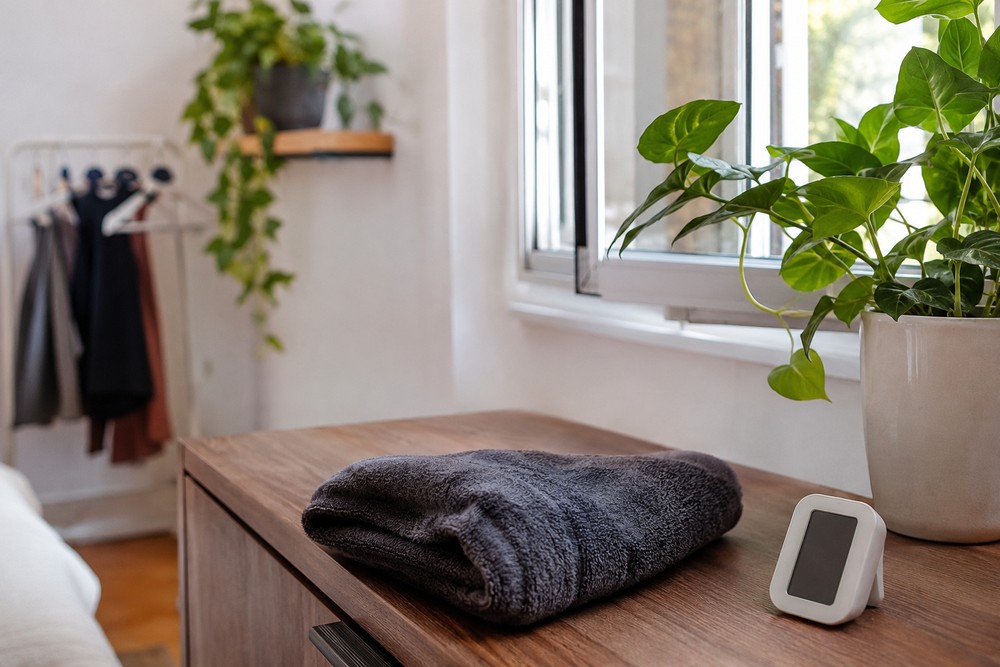
Curtains, upholstered chairs, bath mats, and piles of laundry absorb moisture from the surrounding air. A bath towel folded before it fully dries may develop a sour odor even though the bathroom walls look clean. Shoes left in an enclosed closet can create a similar problem.
Check what stays damp the longest
Take a closer look at the underside of bath mats, laundry baskets, and the corners of closets that get little airflow. In a furnished apartment, smell removable textiles individually rather than assuming the entire room needs scrubbing. Wash washable items according to their labels and let them dry completely before putting them away.
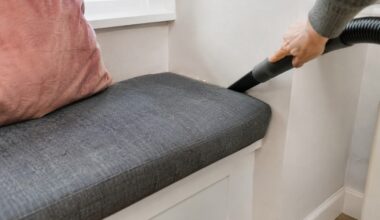
Do not soak upholstery in an attempt to remove an unknown odor. Extra water can remain inside cushions and make matters worse. If a chair or carpet repeatedly smells damp, a qualified cleaner may need to assess whether it can be cleaned and dried safely. Items with extensive mold contamination may require a different approach altogether.
The Kitchen Can Produce a Musty Smell Without a Leak
Food residue can sit in places that rarely receive attention: under the rubber edge of a refrigerator door, inside a garbage-bin lid, around a dishwasher filter, or beneath a removable sink strainer. When moisture mixes with trapped particles, the result may smell stale rather than distinctly like rotting food.
Remove and clean accessible appliance parts only as the manufacturer’s instructions allow. Empty the waste bin, wash it, and let it dry before fitting a new liner. Check for food or liquid spills under small appliances. If an odor is strongest near a dishwasher, inspect its accessible filter and door seal rather than pouring random cleaning chemicals into the machine.
If asking Rapids Cleaning Services about an apartment turnover, identify specific areas such as refrigerator seals and bin interiors rather than requesting general deodorizing. These details make the cleaning request clearer without assuming the smell has only one source.
A persistent drain odor deserves caution. A dry trap in an infrequently used drain can sometimes allow sewer gases into the room; running water may restore the trap seal. But recurring sewer smells, gurgling, or drainage issues should be reported to maintenance or a plumber. Never mix drain cleaners or attempt to mask a gas-like smell with perfume.
Bathrooms May Have a Ventilation Problem, Not a Visible Stain
A bathroom can look spotless while damp air lingers after every shower. Exhaust fans that are weak, blocked, or not venting properly may leave humidity trapped around grout, towels, and cabinet interiors. An enclosed shower curtain can also stay damp longer than expected.
Try running the exhaust fan during a shower and afterward, following building guidance. Spread out towels and shower curtains so they can dry. If the mirror stays fogged for a long time, paint peels, or condensation repeatedly forms on nearby surfaces, document it and tell building management. Residents should not take apart a building ventilation system themselves.
Ordinary soap film and residue, which add to unpleasant smells, are within reach of cleaning services grand rapids. But washing tile will not repair a failed fan or stop water entering through a loose fitting. Distinguishing these situations keeps an odor problem from becoming an endless cycle of wiping and re-wiping.
Closed Rooms Can Magnify Small Sources
Closets, interior bedrooms, and rooms with furniture pressed tightly against a wall may have less air circulation. A faint odor from one damp pair of shoes or an old spill becomes more noticeable when the door stays closed. An HVAC filter that needs replacing can also affect indoor air quality, although a filter change cannot solve every musty smell.
Open storage areas periodically and avoid stuffing damp garments into tightly packed shelves. Keep furniture positioned according to building and manufacturer guidance rather than blocking supply or return vents. If safe outdoor air conditions allow, brief ventilation may help clear stale air, but the source still needs attention.
Humidity is worth checking rather than guessing. An inexpensive hygrometer can show whether indoor moisture remains high. The U.S. Environmental Protection Agency generally advises keeping indoor relative humidity below 60 percent, ideally between 30 and 50 percent, to discourage mold growth. If humidity stays elevated, ask management to investigate ventilation, leaks, or equipment performance instead of relying only on scented deodorizers.
Know When Cleaning Is the Wrong Fix
Hidden moisture cannot be ruled out simply because there is no visible mold. Water can collect behind a vanity, beneath flooring, or inside a wall after a small plumbing issue. Persistent earthy smells accompanied by bubbling paint, swollen baseboards, recurring condensation, or unexplained discoloration warrant an inspection.
If you rent, take photographs, record when the smell appears, and report suspected leaks or ventilation faults through the building’s maintenance process. Do not open walls or pull up flooring to investigate. Avoid disturbing suspected moldy material, especially if the affected area appears extensive or returns after cleaning.
This distinction also matters when requesting a visit from Rapids Cleaning Services. Describing the exact odor and the places you have checked is more useful than simply asking for a stronger product. A cleaner may be able to address accessible residue, but a landlord, plumber, or building professional must resolve water intrusion or equipment faults.
Some residents use cleaning services as part of a move-in reset after an apartment has been vacant. That can be sensible for leftover food residue, dusty cabinets, and neglected fixtures. Yet an odor that continues after accessible surfaces and fabrics have been cleaned calls for investigation, not another round of fragrance or disinfectant.
A Practical Way to Get Fresh Air Back
Start with one room and one suspected source. Remove damp fabrics, inspect accessible drains and appliance seals, and clean surfaces using products suitable for those materials. Give everything enough time to dry, then close the room for a while and check whether the odor returns. That simple test helps distinguish a lingering source from a temporary smell.
If the apartment still smells musty, share your observations with building maintenance before the problem spreads. Rapids Cleaning Services may be relevant when removable dirt or residue is the likely cause, but persistent humidity or hidden water needs someone qualified to assess the building itself. Effective cleaning services should be part of solving the problem, not a substitute for finding it.