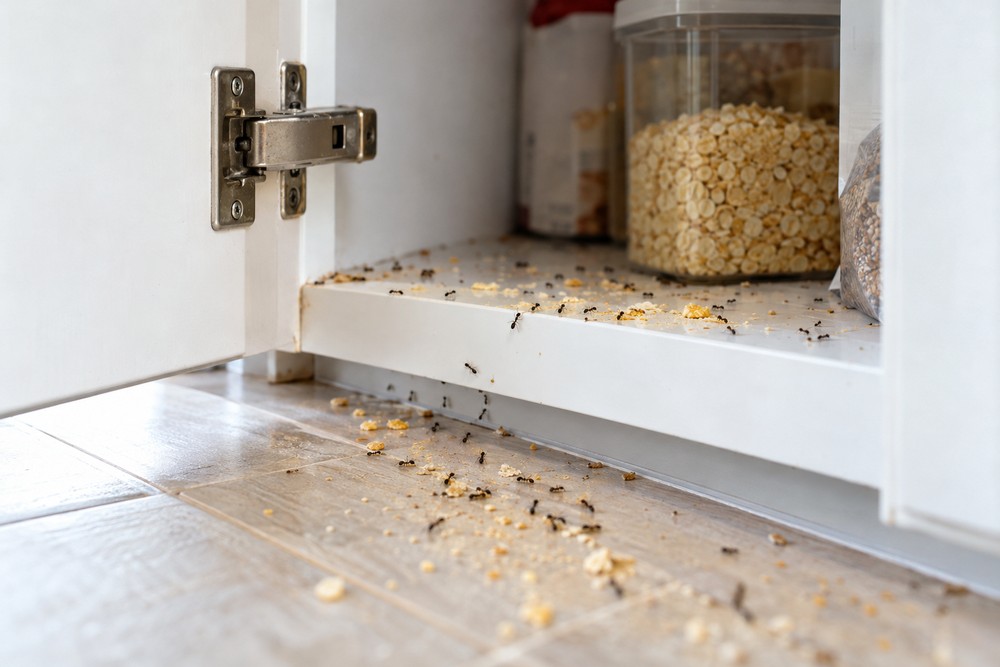
Seeing the same pests return after repeated home treatments can be frustrating. A homeowner may spray an affected area, place traps, clean thoroughly, and notice fewer insects for several days, only for the activity to appear again. Recurrence often signals that the visible pests are only one part of a larger issue that has not yet been identified.
DIY products can be useful for certain minor situations when they are selected and applied correctly. However, repeated treatment without understanding the pest, its hiding places, or the conditions supporting it can become an endless cycle. An Exterminator can investigate the broader pattern instead of concentrating exclusively on the insects visible at that moment.
Knowing when to request professional evaluation can prevent unnecessary applications and wasted effort. The decision should be based on recurring evidence, unusual patterns, and the homeowner’s ability to identify what is happening. King Pest Solutions can assess persistent activity and help determine why previous attempts have not produced lasting results.
Recognize the Difference Between a Sighting and a Pattern
An isolated insect does not always indicate a significant infestation. Doors open, groceries enter the house, packages arrive, and occasional pests can find their way indoors without establishing ongoing activity.
Repeated sightings deserve more attention, particularly when they occur in the same rooms or under similar circumstances. Homeowners can note dates, locations, and the type of evidence they observe instead of relying on memory.
Patterns provide useful clues during an inspection. Knowing that insects repeatedly appear near one cabinet, for example, offers more information than simply reporting that pests are somewhere inside the house.
Confirm What Pest You Are Actually Dealing With
Successful treatment depends heavily on identification. Different insects and rodents have different behaviors, food preferences, nesting habits, hiding locations, and life cycles.
Homeowners can easily mistake one small insect for another, particularly when they see it briefly. Choosing treatment based on a mistaken identification may leave the actual problem untouched.
King Pest Solutions can evaluate available evidence and identify the type of activity involved. Correct identification gives homeowners a clearer foundation for deciding what treatment and prevention measures make sense.
Consider Why Surface Treatments May Fall Short
A product applied where pests are visible may affect only individuals that cross the treated area. Others may remain concealed behind cabinets, inside wall spaces, beneath appliances, or in other protected locations.
This can create the impression that the problem disappeared before new activity becomes noticeable. Repeated spraying in the same visible location does not necessarily address where pests are sheltering or reproducing.
Look Beyond the Place Where Pests Appear
The location of a sighting is not always the source of the problem. Pests may travel from concealed areas while searching for food, water, or shelter.
Professional evaluation considers the surrounding environment rather than focusing entirely on one spot. This wider perspective can reveal patterns that are difficult to recognize from individual sightings.
Avoid Continually Switching Between DIY Products
When one treatment seems ineffective, homeowners may purchase another product and then another. This trial-and-error approach can lead to unnecessary chemical use without establishing why the first attempt failed.
Products have specific labels, intended uses, and application instructions. Combining treatments or applying them in unintended areas can create avoidable safety concerns and still fail to address the underlying activity.
If repeated applications produce only temporary changes, additional guesswork may not be the most productive next step. Evaluation can provide direction before more products are introduced into the home.
Pay Attention When Activity Spreads to New Rooms
A recurring problem can become more concerning when sightings begin appearing beyond the original area. Activity that was once limited to a kitchen, bathroom, basement, or storage room may later show up elsewhere.
Homeowners should avoid moving potentially affected objects around unnecessarily when they do not understand what pest is involved. Relocation can make it harder to determine the original pattern.
Recording where new sightings occur can help show whether activity is expanding or simply being noticed more carefully. Either way, changing locations are worth mentioning during an inspection.
Notice Whether Cleaning Changes the Problem
Cleaning is an important part of general pest prevention, particularly where food residue, waste, or clutter provides resources. However, a clean room can still experience pest activity if insects are entering or sheltering elsewhere.
Homeowners who repeatedly clean the same area without seeing lasting improvement should consider what other factors may be involved. Hidden food, water, nesting areas, or access routes may require closer examination.
An Exterminator can look at pest evidence alongside household conditions to determine where additional attention is appropriate. Treatment and sanitation often work better when they address the same identified problem.
Watch for Evidence Beyond Live Pests
Visible insects are not the only signs worth documenting. Depending on the pest involved, homeowners may notice droppings, shed material, damaged packaging, unusual marks, nesting material, or other changes.
Photographs can sometimes help preserve evidence when the pest disappears before an appointment. Homeowners can also record where the evidence was found and whether similar signs have appeared previously.
They should avoid disturbing questionable materials unnecessarily. Preserving the location and context of evidence can make it easier for a professional to understand what has been happening.
Consider How Long the Problem Has Continued
Duration matters when deciding whether DIY treatment has been effective. A short period of activity following one isolated event is different from a problem that repeatedly returns over several weeks.
Temporary improvement can be misleading. If sightings consistently decline after treatment and then resume, the underlying source may still be present.
King Pest Solutions can use information about timing, previous treatments, and recurring locations when assessing the situation. A clear history helps distinguish a continuing pattern from unrelated occasional sightings.
Prepare Useful Information Before an Inspection
Homeowners can make an inspection more productive by organizing what they already know. They should note where pests appear, when activity is most noticeable, and which products or methods have already been used.
Packaging or product names may also be useful because previous applications can affect future decisions. Homeowners should provide accurate information rather than assuming that a treatment was too minor to mention.
Recent household changes can offer context as well. Deliveries, renovations, used furniture, extended travel, or changes in storage may be relevant depending on the pest being investigated.
Know When Repeated DIY Treatment Has Reached Its Limit
Home pest treatment should have a clear purpose rather than becoming an indefinite routine. If the same activity keeps returning despite correctly applied measures, professional inspection can provide information that repeated applications cannot.
An Exterminator can examine evidence, identify the pest, evaluate likely hiding areas, and recommend a response based on the actual situation. That process is different from repeatedly treating whichever location produced the latest sighting.
Recurring pest problems are easier to address when homeowners stop guessing and begin looking for patterns. Careful records, accurate identification, sensible sanitation, and professional evaluation when needed can turn repeated sightings into useful evidence. Understanding why activity continues is the first step toward choosing a response designed for the problem actually present.



