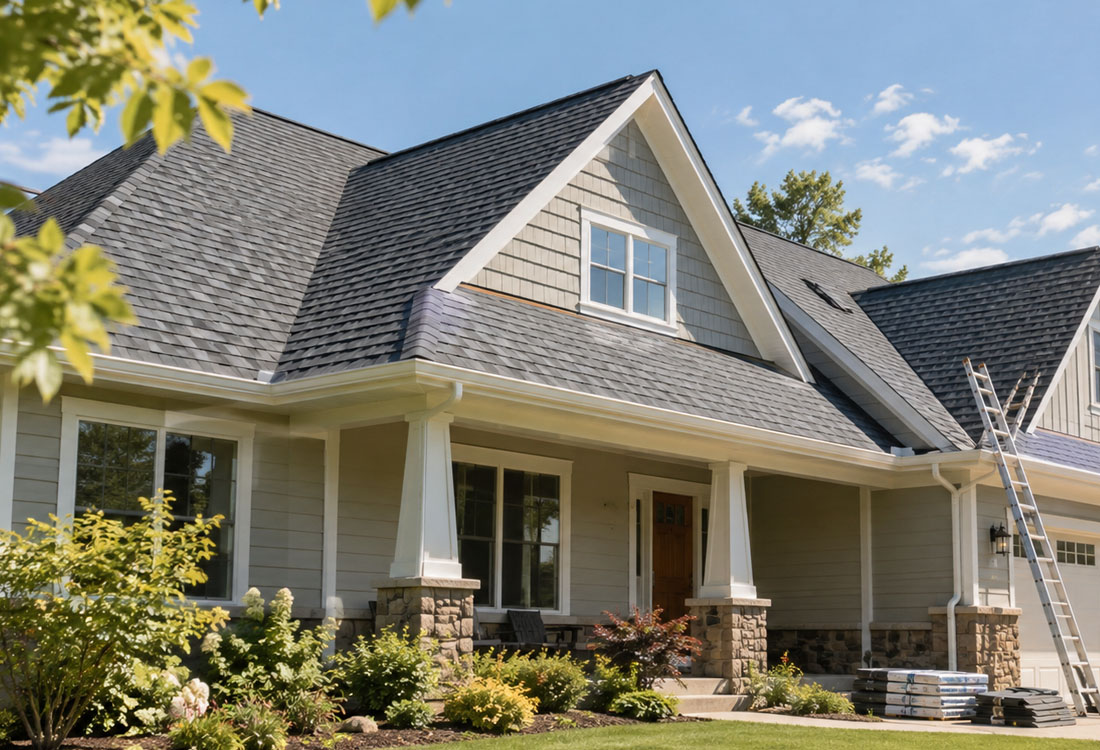
A roof plays a critical role in protecting a property from rain, wind, sunlight, temperature changes, moisture, and other outdoor conditions. Over time, even a well-maintained roofing system can begin to show signs of aging and deterioration. Shingles may lose their protective surface, flashing can weaken, drainage components may develop problems, and areas of the roof deck can become vulnerable to moisture. When roofing problems become widespread or repairs are no longer providing a dependable long-term solution, replacing the entire roofing system may be the most practical option. A professionally planned roof replacement can restore important protective functions while also improving the appearance and overall condition of the property’s exterior.
Professional roof replacement involves considerably more than removing old shingles and installing new materials. A complete project should begin with an evaluation of the existing roof, followed by careful removal, inspection of the underlying deck, replacement of damaged materials, installation of appropriate underlayment and flashing, and proper installation of the new roofing system. Ventilation and drainage should also be considered because these components influence the long-term performance of the roof. By approaching the project as a complete system rather than focusing only on the visible roofing material, homeowners can create a stronger foundation for lasting protection and future maintenance.
Understanding When Roof Replacement Is Necessary
One of the first questions homeowners often have is whether their roof needs repair or complete replacement. Minor problems can sometimes be corrected through targeted repairs, especially when the majority of the roofing system remains in good condition, explain Keyrenter North Dallas professionals. However, widespread deterioration, recurring leaks, extensive shingle damage, or an aging roof may indicate that replacement is becoming a more practical solution. The decision should be based on the overall condition of the roof rather than a single damaged area. If a roof repeatedly requires repairs, the cumulative cost and inconvenience can become significant. A professional inspection can help determine whether the existing system has enough useful life remaining to justify continued repairs or whether a complete replacement would provide greater long-term value.
Common Signs of an Aging Roof
Aging roofing systems can display several warning signs that should not be ignored. Shingles may begin curling at the edges, cracking, becoming brittle, or losing granules. Missing shingles can expose underlying layers to weather, while areas with visible sagging may indicate more serious structural concerns.
Water stains on ceilings or walls can also indicate potential roofing problems, although interior stains do not always identify the exact source of a leak. Moisture may travel through roof assemblies before becoming visible inside the property.Other warning signs include damaged flashing, deteriorated roof edges, repeated leaks after storms, excessive moss or organic growth, and visible deterioration around roof penetrations. When several of these conditions appear across the roof, homeowners should consider arranging a professional evaluation.
Why Inspection Matters Before Replacement
A detailed roof inspection provides important information before a replacement project begins. Contractors can evaluate the existing shingles, flashing, valleys, roof edges, penetrations, ventilation, drainage, and other components that contribute to overall roof performance.The inspection can also help identify conditions that may not be visible from ground level. A roof can appear relatively intact while still having damaged decking or deteriorated areas beneath the surface. Understanding these conditions before work begins can help homeowners plan the project more accurately.A professional inspection also creates an opportunity to discuss the scope of the replacement. Homeowners can ask questions about materials, installation methods, ventilation, flashing, underlayment, cleanup, and potential repairs that may become necessary once the existing roofing is removed.
Removing the Existing Roofing
Removing the old roofing materials is an important part of a complete replacement. Once the existing shingles or other roofing materials are removed, contractors can inspect the roof deck and underlying components more effectively.Old materials can hide moisture damage, deteriorated wood, previous repairs, inadequate flashing, or other issues. Installing a new roof without addressing these conditions can leave problems underneath the replacement system.Professional removal also requires careful debris management. Roofing materials should be removed in a controlled manner while protecting siding, windows, landscaping, gutters, and other exterior features. Proper preparation and cleanup can help keep the project organized and reduce unnecessary disruption.
Inspecting and Repairing the Roof Deck
The roof deck supports the roofing system, so its condition is extremely important. If portions of the deck have been weakened by moisture or deterioration, those areas should be repaired or replaced before new roofing materials are installed.A stable deck provides a stronger foundation for underlayment and roofing materials. It also helps create a more consistent finished surface and reduces the possibility of irregularities beneath the new roof.Homeowners should understand that roof deck repairs may not always be visible during the initial inspection. Some problems become apparent only after old roofing materials have been removed. Planning for this possibility can help avoid delays and make it easier to address necessary repairs properly.
Installing New Underlayment
Underlayment provides an additional protective layer between the roof deck and the exterior roofing material. It can help protect the deck from moisture that may reach beneath shingles or other roofing materials.The appropriate underlayment depends on the roofing system, roof design, manufacturer requirements, and other project considerations. Proper installation is important because underlayment needs to overlap correctly and integrate with flashing and other moisture-management components.Special attention may be required around valleys, roof edges, penetrations, and other vulnerable areas. A properly installed underlayment system can provide another level of protection as part of the complete roof assembly.
Importance of Flashing During Replacement
Flashing is designed to help direct water away from vulnerable areas where the roof intersects with walls, chimneys, vents, skylights, and other structures. These transitions can become common locations for leaks if flashing is damaged or incorrectly installed.A roof replacement provides an opportunity to inspect existing flashing and determine whether it should be retained or replaced. Deteriorated components should not simply be covered by new roofing materials.New flashing should be properly integrated with the underlayment and roofing material. Paying attention to these details can help reduce water intrusion risks and improve the long-term reliability of the new roof.
Selecting the Right Roofing Material
Homeowners have several roofing material options, and the best choice depends on the property’s design, budget, performance goals, and maintenance expectations. Asphalt shingles remain popular because they offer a wide range of styles and colors, while metal roofing may appeal to homeowners seeking durability and a distinctive appearance.Other materials may be appropriate for specific architectural designs or performance requirements. The important consideration is selecting a roofing system that suits the structure and can be properly installed.Homeowners should also consider the appearance of the roof alongside siding, windows, doors, trim, and other exterior features. A coordinated selection can improve curb appeal and create a more cohesive exterior.
Choosing the Right Shingle Style
For homeowners selecting asphalt shingles, different styles can provide different visual effects. Traditional three-tab shingles offer a straightforward appearance, while architectural shingles can provide additional dimension and texture.Color selection is equally important because the roof occupies a large portion of the property’s exterior. Neutral shades can create a traditional appearance, while contrasting colors may emphasize architectural features.The best choice should consider both personal preference and the existing exterior. A professional roofing contractor can help homeowners compare available options and understand how different materials may complement the property.
Roof Ventilation and Replacement
Ventilation should be evaluated as part of a complete roof replacement. Proper attic ventilation can help manage heat and moisture within the attic space and may contribute to the long-term condition of the roofing system.A replacement project provides a convenient opportunity to examine existing intake and exhaust ventilation. Contractors can determine whether the system appears appropriate for the structure and whether improvements may be necessary.Ventilation should be considered alongside insulation and air sealing because these systems interact. Addressing attic conditions during a roofing project can help homeowners avoid carrying existing problems into the new roofing system.
Improving Water Management
A roof replacement is also an opportunity to review the property’s overall water-management system. The roof must direct water toward appropriate drainage areas, while gutters and downspouts should carry that water away from the structure.Poor drainage can cause water to collect near roof edges, siding, exterior walls, or the foundation. Keeping gutters clear and ensuring that downspouts discharge water appropriately can help protect these areas.Roof valleys, flashing, drip edges, and gutters all contribute to water management. A complete roofing project should consider how these components work together rather than treating each feature separately.
Coordinating Roofing With Siding
Roofing and siding are closely connected at roof-to-wall transitions, gable ends, dormers, and other exterior areas. These locations require appropriate flashing and water-management details to help protect the building envelope.If siding is also aging, homeowners may want to consider the relationship between the two projects. Replacing roofing while leaving severely deteriorated siding can create an inconsistent exterior and may leave moisture-related concerns unresolved.When both systems are evaluated together, contractors can better coordinate transitions and protect surrounding materials. Even if only the roof is being replaced, the condition of nearby siding should still be considered.
Protecting Windows and Exterior Features
Roofing work can take place near windows, doors, siding, gutters, landscaping, and other exterior components. These areas should be protected during material removal and installation.Homeowners should discuss how the contractor plans to manage debris and protect vulnerable features before work begins. Proper preparation can help reduce accidental damage and make the project more organized.If windows or exterior trim are already deteriorated, the roofing project may also reveal conditions that deserve attention. Identifying these issues early can help homeowners plan future improvements.
Gutters and Downspouts
Gutters are an important part of the roof drainage system because they collect water from the roof and direct it through downspouts. Damaged or clogged gutters can cause water to overflow and repeatedly contact the roof edge, siding, and exterior walls.During replacement, gutters should be inspected for damage, blockages, improper slope, or loose connections. If they are nearing the end of their service life, homeowners may consider replacing them as part of a broader exterior renovation.After the new roof is installed, gutters should continue to receive regular maintenance. Keeping them clear can help support proper drainage and protect the surrounding exterior.
Repairing Problems Before They Grow
One of the major advantages of replacing an aging roof is the opportunity to address problems before they become more extensive. Moisture entering through damaged roofing can affect decking, insulation, framing, ceilings, and walls.Early action can help reduce the area affected by water intrusion. If homeowners notice recurring leaks, damaged shingles, or deteriorated flashing, arranging an inspection promptly can provide an opportunity to address the issue before more materials are affected.A proactive approach can also make future maintenance easier because the property begins with a newer and more complete roofing system.
Professional Installation Makes a Difference
The quality of installation has a direct effect on the performance of a new roof. Experienced roofing professionals understand how to prepare the deck, install underlayment, position flashing, secure roofing materials, manage penetrations, and complete roof edges.Professional installers can also respond to unexpected conditions discovered during the replacement. Hidden deck damage or deteriorated flashing can be addressed before new roofing materials are installed.Careful workmanship contributes to appearance as well. Straight shingle courses, consistent panel alignment, clean edges, and properly finished transitions can make the completed roof look more polished while supporting its intended performance.
Preparing for the Replacement Project
Homeowners can help the project run smoothly by discussing the full scope of work before installation begins. Important topics may include roofing materials, color, removal of old materials, roof deck repairs, underlayment, flashing, ventilation, gutters, cleanup, and project scheduling.It is also helpful to understand that the final scope can change if hidden damage is discovered. Roofing contractors cannot always see the full condition of the deck before the existing materials are removed.Clear communication about potential additional work can help homeowners make informed decisions and avoid surprises during the project.
Maintaining a New Roof
A new roof should still be maintained regularly to protect the investment. Homeowners should inspect visible roofing areas for damaged or missing materials and arrange professional evaluations when concerns arise.Gutters and downspouts should remain clear so that water can move away from the roof efficiently. Trees near the property should also be maintained to reduce the risk of branches damaging the roofing system.Attic conditions should be monitored as well. Signs of moisture, unusual odors, or inadequate ventilation may indicate problems that deserve professional attention.
Handling Storm Damage
Severe weather can damage roofing systems through high winds, hail, falling branches, and heavy rainfall. After a major storm, homeowners may notice missing shingles, lifted materials, damaged flashing, or other visible problems.Some storm damage may not be immediately obvious from ground level. A professional inspection can provide a more complete assessment and help determine whether repairs are sufficient or whether broader replacement is necessary.Addressing storm-related damage promptly can help prevent moisture from entering through exposed areas and affecting the underlying roof structure.
Long-Term Benefits of Roof Replacement
A new roofing system can provide benefits beyond simply replacing old materials. It can improve the property’s exterior appearance, restore important weather protection, address hidden deterioration, and provide a stronger foundation for future maintenance.Replacement can also create an opportunity to improve related systems such as ventilation, flashing, underlayment, and drainage. These improvements can contribute to the overall performance of the building envelope.Homeowners may also appreciate the improved appearance that comes with a new roof. Fresh, consistent roofing materials can complement existing siding and exterior features while creating a more maintained appearance.
Making a Smart Roofing Investment
Roof replacement is a significant investment, so homeowners should consider more than the initial price when comparing options. Material quality, installation workmanship, ventilation, flashing, underlayment, roof design, and long-term maintenance all influence the overall value of the project.A lower initial cost may not always represent the best long-term option if important installation details are omitted or lower-quality materials are used. Homeowners should instead focus on the complete roofing system and the quality of the work being performed.Professional guidance can help property owners understand the available choices and select a solution that balances performance, appearance, maintenance, and budget.
Conclusion
A roof eventually reaches a point where continued repairs may no longer provide the dependable protection a property needs. Widespread deterioration, recurring leaks, damaged shingles, deteriorated flashing, and aging roofing materials can all indicate that replacement should be considered. A complete roofing project provides an opportunity to remove old materials, inspect the underlying structure, repair damaged decking, improve moisture management, and install a new protective system.Professional roof replacement should be approached as a complete exterior improvement rather than simply a surface upgrade. Proper underlayment, flashing, ventilation, drainage, fastening, and material selection all contribute to the long-term performance of the new roof. Careful preparation and professional installation can help homeowners avoid carrying old problems into the replacement system.
The roof should also be considered in relation to siding, windows, gutters, trim, and other exterior components. Coordinating these systems can improve the appearance and functionality of the property while helping reduce moisture-related concerns.With quality materials, careful planning, professional workmanship, and regular maintenance, a new roof can provide lasting protection and improved curb appeal. Replacing an aging roofing system at the right time can help protect the structure, reduce recurring repair concerns, and provide homeowners with greater confidence in the condition of their property.



