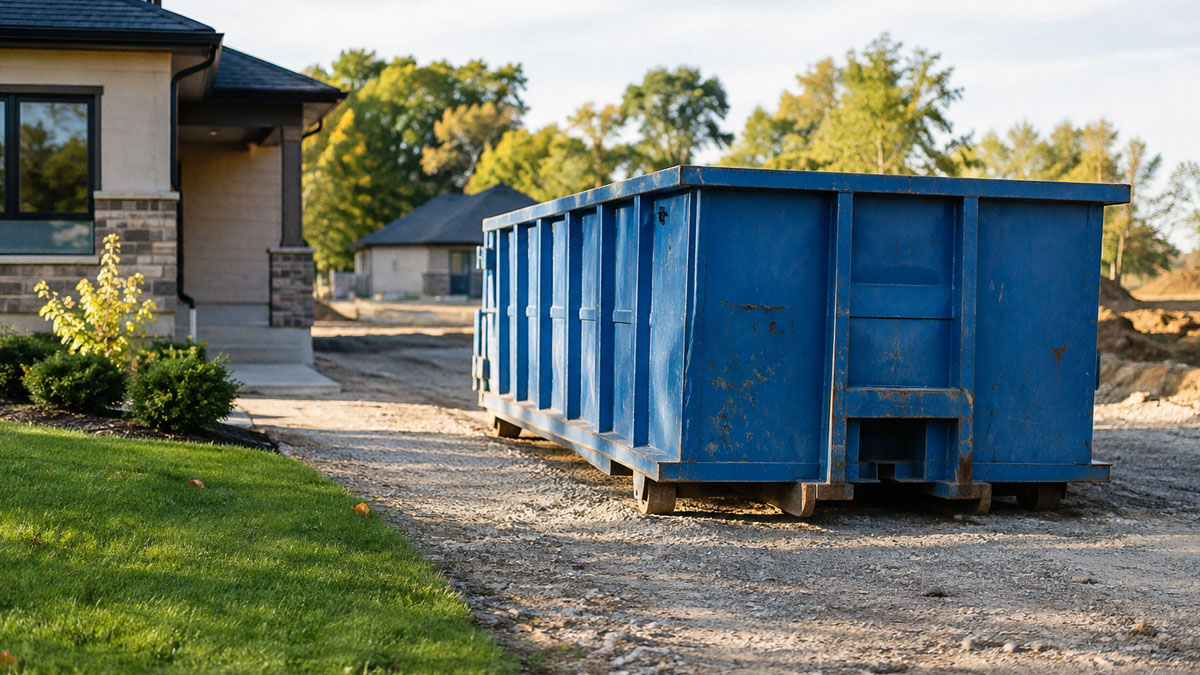
Scheduling a waste container is only one part of preparing for a cleanup, construction job, or property improvement project. The area where the container will be placed needs enough room for delivery, loading, and eventual removal. Planning these details before a Dumpster Rental arrives can prevent avoidable complications once work is underway.
Property owners should consider how the container will interact with normal activity around the site. Vehicles may still need driveway access, workers need clear routes, and residents or customers may continue using entrances throughout the project. A little preparation can help disposal fit into these routines without unnecessarily controlling valuable space.
Site preparation also gives owners time to identify physical restrictions that may not be obvious during scheduling. Hiep Sanitation can help customers consider practical placement needs before delivery. A suitable location should support the project while remaining accessible when the container needs to be removed.
Choose a Location That Supports the Entire Project
The closest available space is not always the most practical placement location. Property owners should consider where most discarded materials will originate and how workers will carry them toward the container.
A convenient location can reduce unnecessary movement, particularly when a project involves repeated trips with bulky or awkward materials. However, convenience should be balanced against the need to preserve entrances, parking, and equipment access.
Think beyond the first day of work. A location that seems ideal during delivery should remain functional as the project becomes busier.
Measure the Placement Area Before Scheduling
Estimating available space by sight can lead to problems. Driveways and other paved areas may appear spacious until vehicles, equipment, stored materials, and normal property activity are considered together.
Measure the intended placement zone and note nearby obstacles. Fences, walls, landscaping, parked vehicles, gates, and structures can influence how much usable room is actually available.
A Rolloff Service also requires practical access for delivery and pickup. Evaluating the surrounding area rather than only the final container position gives owners a better understanding of whether the site can support those movements.
Look Above the Proposed Placement Area
Ground-level space receives most of the attention during site planning, but overhead conditions also deserve consideration. Trees, wires, building features, and other obstacles may affect access around the proposed location.
Property owners should inspect the complete approach to the placement area. A wide driveway does not automatically provide suitable access if overhead conditions create limitations farther along the route.
Hiep Sanitation can be consulted when customers have questions about site conditions. Discussing potential obstacles before the scheduled delivery is more practical than discovering them when equipment has already reached the property.
Keep Delivery Routes Free From Obstacles
The path to the placement location should be reviewed before delivery day. Vehicles, portable equipment, building materials, recreational items, and other movable objects can reduce usable access.
Clear the Route in Advance
Moving obstacles beforehand avoids last-minute adjustments. Property owners should also consider whether contractors, neighbors, employees, or household members could unknowingly block the planned route.
Clear communication is helpful when several people use the property. Everyone involved should know which area needs to remain available.
Consider the Surface Beneath the Container
Placement is not only about having enough horizontal room. The condition and type of surface can also influence planning, particularly when owners are deciding between different areas around a property.
Before a Dumpster Rental is scheduled, customers can discuss the proposed surface and any concerns they have about placement. Driveways, paved areas, and other locations may have different conditions depending on the property.
The surrounding ground should also remain usable for workers carrying materials. Uneven or obstructed routes can make repeated trips less convenient as the project progresses.
Preserve Access to Important Property Features
Waste containers should not unnecessarily block areas that will remain in use. Garage doors, building entrances, utility areas, loading zones, gates, and frequently used parking spaces may still be needed throughout the project.
Owners can create a simple list of access points that must remain functional. Comparing this list with possible placement locations can eliminate unsuitable options early.
This step is particularly useful on compact properties where several activities share limited exterior space. Thoughtful positioning allows disposal to support the project without creating another logistical obstacle.
Plan How Debris Will Reach the Container
Container placement should connect logically with the work area. If discarded materials must travel through long or crowded routes, workers may create temporary piles rather than carrying every item immediately.
Identify the primary debris path before work begins. Doors, gates, walkways, stairs, and exterior work zones can all influence how materials move.
Hiep Sanitation can support the disposal portion of this plan while property owners organize their work areas. Establishing a clear route helps keep discarded material moving toward its intended destination rather than spreading around the site.
Organize Materials Before Loading Begins
A container should not become the first place where sorting decisions happen. Property owners can identify what is intended for disposal before materials begin moving across the property.
Reusable, recyclable, donated, or retained items should have separate locations when appropriate. This prevents useful belongings from becoming mixed with debris and reduces unnecessary handling later.
Owners should also confirm requirements for questionable materials before loading them. Making these decisions early supports a more controlled disposal process.
Avoid Blocking the Container During the Project
The area may be completely accessible on delivery day but become crowded later. Contractors may park equipment nearby, new materials may arrive, or household vehicles may gradually return to their usual locations.
A Rolloff Service works more smoothly when necessary access remains part of the project plan through pickup. Property owners should avoid treating the space around the container as convenient temporary storage.
Periodic checks can help. If equipment or materials begin spreading toward the access route, they can be relocated before they become difficult to move.
Prepare for Pickup Before the Final Day
Pickup planning should begin before the project is completely finished. Materials, vehicles, and equipment that were added during the job may need to be moved to restore clear access.
Owners can review the original delivery route and confirm that it remains available. Waiting until pickup time to clear a crowded site can create unnecessary complications.
The container area should also be checked for project materials that belong elsewhere. A final review helps separate active tools or supplies from items genuinely intended for removal.
Make Site Preparation Part of Waste Planning
Successful container placement depends on more than finding an open section of a driveway or worksite. Delivery access, overhead conditions, surface considerations, debris routes, entrances, parking, and pickup requirements all influence whether the chosen location remains practical.
Preparing these details early allows waste management to become part of the project rather than an interruption to it. Owners can protect important access while giving workers a clear destination for appropriate discarded materials.
A suitable placement area should function from delivery through final removal. By reviewing the complete site beforehand and keeping necessary routes available throughout the project, property owners can create a disposal setup that supports efficient work without unnecessarily disrupting the rest of the property.