A heat pump works hard to maintain indoor comfort as homes in Sandy move through cold winters and warm summers. Since the same equipment handles both heating and cooling, problems with airflow, electrical parts, refrigerant, or controls can affect performance across multiple seasons. Regular professional attention can catch developing faults before they turn into disruptive breakdowns.
Homeowners searching for hvac services in Sandy can benefit from specialists who understand the importance of proper heat pump care. A thorough service visit involves more than checking if the equipment turns on and off. Experienced technicians inspect key components, assess system performance, and identify conditions that could shorten equipment life or reduce household comfort. This article discusses ways experts prevent common heat pump failures.
Checks Airflow Before Problems Escalate
Restricted airflow can place unnecessary pressure on a heat pump and make it harder to maintain the desired indoor temperature. Specialists inspect air filters, blower components, supply vents, return paths, and accessible ductwork for conditions that interfere with circulation. ENERGY STAR recommends checking heat pump filters monthly and cleaning or replacing them when they become dirty, while some systems may require more frequent attention.
Key Airflow Checks Include:
- Inspecting filters for heavy dust accumulation or blockage.
- Checking vents and registers for obstructions.
- Examining accessible duct connections for leaks or separation.
- Assessing blower operation and overall air distribution.
Tests Electrical Parts and Connections
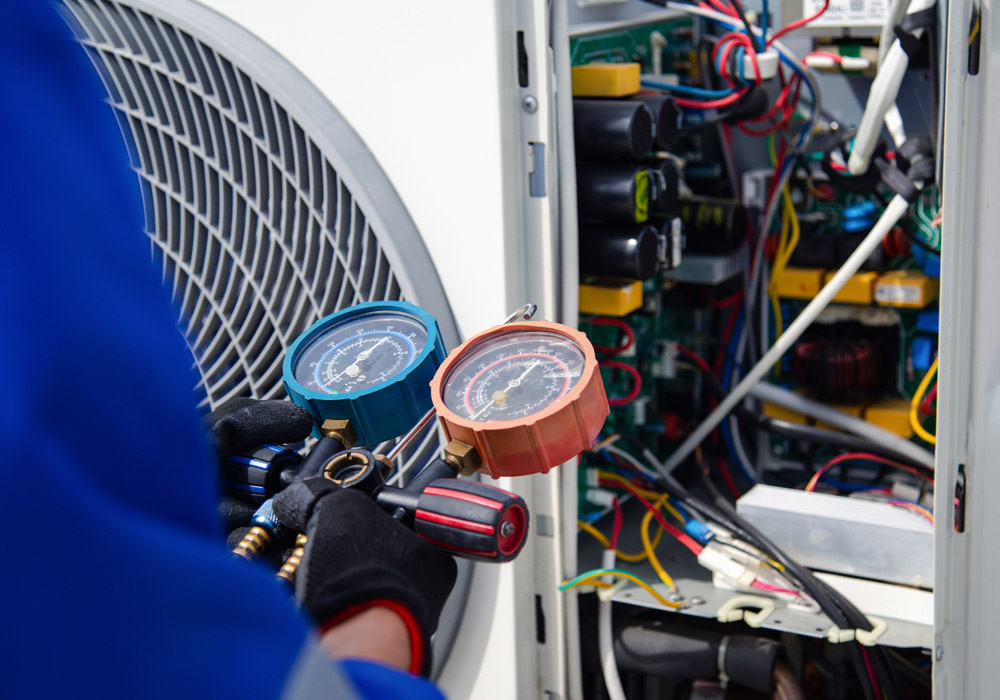
Electrical faults can cause intermittent operation, poor performance, or complete equipment failure. HVAC specialists examine wiring, terminals, capacitors, motors, contactors, and other electrical components for wear or abnormal readings. ENERGY STAR recommends a professional inspection of electrical connections as part of routine heat pump maintenance, as faulty connections can compromise safe operation and component life.
Inspects Coils and Refrigerant Performance
A heat pump relies on refrigerant and heat-transfer components to move thermal energy between indoor and outdoor spaces. Specialists in Sandy examine indoor and outdoor coils for dirt buildup and look for signs that refrigerant levels may be incorrect or a leak may exist. These checks are especially relevant when a system produces weak heating or cooling, runs for unusually long periods, or struggles to reach the thermostat setting.
Diagnoses Thermostat and Control Issues
A thermostat problem can make a healthy heat pump appear faulty. HVAC professionals check temperature accuracy, wiring, communication between controls, and system cycling to determine where the problem originates. Correct diagnosis can prevent unnecessary part replacement and help restore dependable operation.
The Warning Signs That Deserve Attention in Sandy
- Uneven temperatures may point to airflow or duct concerns.
- Strange buzzing, rattling, or grinding can indicate mechanical problems.
- Rising energy consumption may reflect declining efficiency.
- Frequent cycling may signal control, airflow, or equipment issues.
Prompt professional attention can prevent a minor fault from developing into a larger repair concern. Homeowners who use hvac services in Sandy for timely diagnostics can address unusual system behavior before comfort becomes severely affected.
Schedules Seasonal Preventive Maintenance
Seasonal maintenance allows specialists to assess heat pump performance before periods of heavy heating or cooling demand. A professional tune-up may cover airflow, electrical connections, controls, coils, condensate drainage, moving components, and refrigerant-related concerns. ENERGY STAR recommends professional pre-season checkups, with heating equipment reviewed in fall and cooling equipment checked in spring.
Professional heat pump maintenance helps homeowners in Sandy identify developing problems before they become expensive failures. Regular inspections support dependable comfort, efficient operation, and better equipment longevity. Timely service can keep essential heating and cooling equipment prepared for changing seasonal demands.