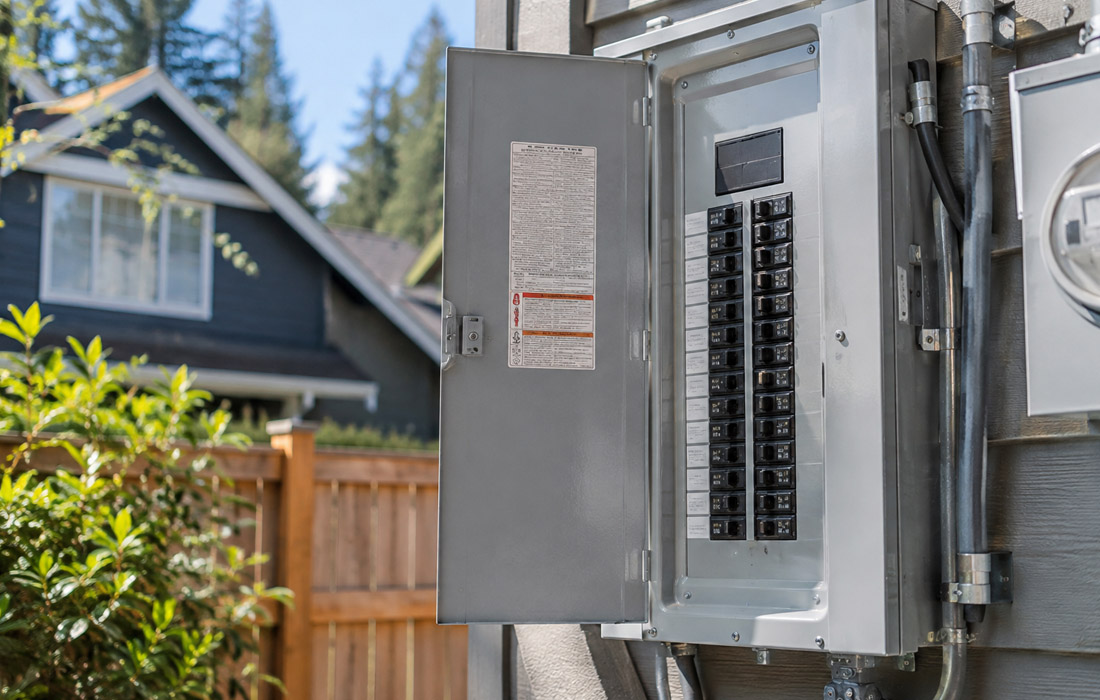
Adding a Level 2 EV charger, a new heat pump, a hot tub, or a full kitchen circuit layout can strain a home’s electrical system if the work is not planned around real-world constraints. In Vancouver, the sequence usually hinges on three things that are easy to overlook at first: the new load’s actual electrical requirements, your existing service and panel capacity, and the permitting and inspection windows that determine when power can be turned on. Understanding these factors before you book an appointment helps you set realistic dates, avoid change orders, and reduce repeat visits. Here is how to prepare so the project goes faster and with fewer surprises once tools and test meters come out.
Confirm the Actual Load: Nameplates, Dedicated Circuits, and Voltage
Start with the equipment nameplate and its installation manual. A Level 2 EV charger typically needs a 240-volt dedicated circuit sized to its continuous current, while a hot tub usually requires GFCI protection and a disconnect within sight. Many heat pumps require a dedicated 240-volt circuit with a specific breaker type, and kitchen layouts often require multiple 20-amp small-appliance circuits and GFCI protection near sinks. When you consult local pros, including electrical contractors in Vancouver from Sarkinen Electrical, having the exact model number and required breaker type ready lets them confirm conductor size, overcurrent protection, and whether AFCI or dual-function breakers are needed. This upfront detail shapes everything that follows, from conduit sizing to box fill and whether a neutral conductor is required for smart features.
Assess Service Size and Panel Space Before You Set a Date
Next, match the new load against your service rating and available breaker spaces. A home with a 100-amp service and a fully occupied load center may not have room for another two-pole breaker, and some panels prohibit tandem breakers on most bus stabs. A proper load calculation accounts for existing 120-volt and 240-volt appliances, continuous loads, and any multi-wire branch circuits that already share a neutral. If the math is tight, options include relocating some circuits to a subpanel, using a load-management device that sheds EV charging during peak demand, or upgrading the service to a higher ampacity. Each choice carries trade-offs: a subpanel solves space but not overall capacity, while a service upgrade adds scheduling with the utility and may require a new meter base or grounding electrode work.
Permits, Inspections, and Utility Coordination Shape the Sequence
Electrical permits and inspections are not red tape to be skipped; they dictate the project’s pace. Most new feeders, service upgrades, and added exterior equipment require a permit, a rough-in inspection if walls or trenches are open, and a final inspection after devices, covers, and labeling are complete. If the work involves a service change, plan for a coordinated power shutoff and meter pull so the main bonding jumper, grounding conductors, and service disconnect can be verified. Detached structures often add another variable: trenching for conduits and conductors must be inspected before backfilling, and exterior equipment usually requires weather-rated enclosures and in-use covers. Building your calendar around these checkpoints prevents dry trips and keeps drywall repair, concrete cutting, or landscaping restoration from happening before an inspector has seen the wiring methods.
Plan the Physical Path: Access, Routing, and Materials
The cleanest drawings can fall apart if there is no physical path for the cable. Clearing 3 feet of working space in front of the panel, opening access to attics and crawlspaces, and identifying any fire blocks behind walls will cut hours from the installation. Long runs to a detached garage may favor conduit with individual THHN conductors, while interior routes often use NM-B where permitted. Outdoor hot tubs usually need a spa-rated GFCI disconnect and liquidtight flexible conduit for the final connection. If a new range circuit must cross finished rooms, it may be faster to route along a basement joist bay and up an interior chase rather than carve cabinets. Each route decision involves a trade-off among aesthetics, accessibility, and cost: a straighter conduit on an exterior wall might be more visible, but it can avoid dozens of interior patch points.
Common Pitfalls and Better Alternatives
Several shortcuts create headaches later. Installing tandem breakers in slots not listed for tandems can overheat bus connections. Swapping a dryer receptacle for an EV charger with a corded adapter risks undersized conductors, wrong receptacle configuration, and missing GFCI protection. Extending a circuit with too many junction boxes can exceed box-fill limits and complicate troubleshooting. Consider safer alternatives: a smart EV charger that load-sheds when the oven or heat pump runs, a small subpanel near clustered loads to shorten homeruns, or a dedicated GFCI breaker matched to the spa’s neutral and grounding layout. For long garage runs, account for voltage drop and choose a larger conductor or a closer subpanel. Two quick scenarios illustrate the difference: a homeowner with a full 100-amp panel adds a subpanel to feed a 40-amp EV charger and a future air compressor, avoiding a service upgrade; another routes a hot tub circuit through a weather-rated conduit along the foundation with a clearly labeled disconnect, sidestepping invasive interior drywall cuts and simplifying future maintenance.
Ahead-of-time coordination pays off after the installation, too. Clearly labeled directories, breakers matched to manufacturer listings, and accessible junction boxes make later changes straightforward. Testing GFCI and AFCI devices with their built-in buttons a few times a year verifies their protection, and keeping the panel’s working clearance free of stored items protects anyone who needs to service it. When you shape your plan around the real load, the panel you have, and the permit-and-inspection rhythm, your Vancouver project is far more likely to finish on schedule and without avoidable change orders. That preparation makes the day-to-day act of powering up the lights, heater, or charger feel routine instead of risky.