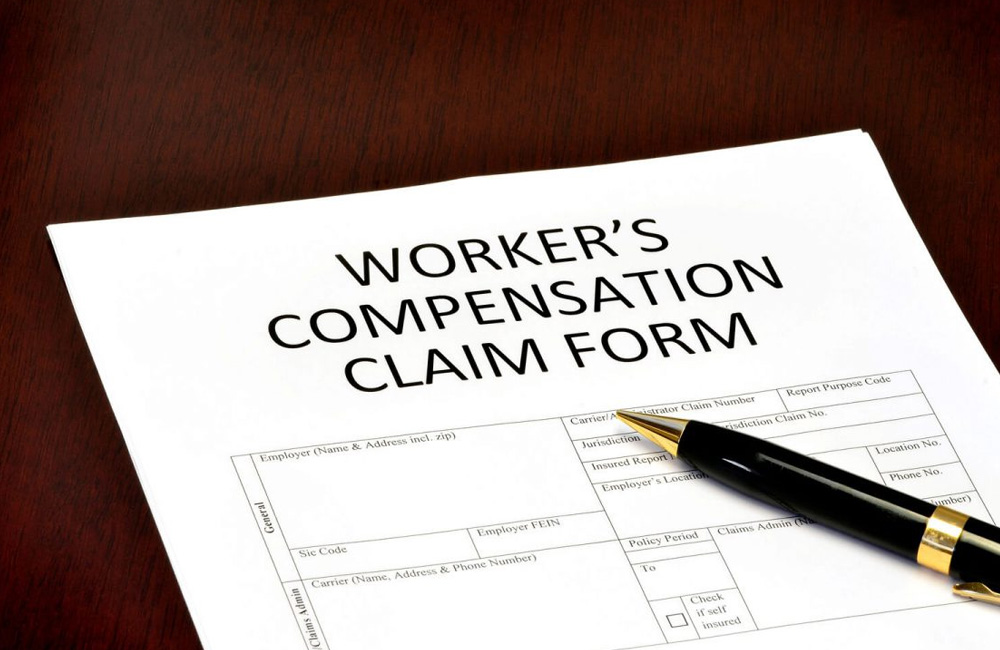
A workplace injury can turn a normal workweek upside down. Simple tasks may suddenly feel hard, paychecks can shrink or stop, and doctor visits start taking time away from family. For workers who rely on every check to cover bills, even a short recovery period can cause real stress. Knowing what benefits exist and how the claim process works can help injured employees make good choices while they heal.
Employees who have questions about their rights can speak with a Lafayette workers’ compensation attorney for guidance on how Louisiana’s system works. A lawyer can explain medical and wage benefits, go over filing requirements, and point out options when an insurance company pushes back on a claim. Having a reliable source of answers makes an unfamiliar process much easier to manage.
Why Work Injuries Matter to Lafayette Workers
Lafayette sits at the center of Acadiana and serves as the parish seat of Lafayette Parish. The local economy depends on a mix of industries, including oil and gas services, healthcare, construction, retail, and transportation. Many of these jobs involve heavy lifting, long shifts, machinery, or hours on the road, which raises the chance of getting hurt. Office and hospital workers face their own risks, such as repetitive strain or back injuries from moving patients. Because so many Lafayette residents work in physically demanding fields, understanding workers’ compensation is practical knowledge for everyday families.
The Costs That Show Up After an Injury
The day of the accident is rarely the hardest part. A worker may get treated, then learn the injury needs months of therapy or more time off than expected. A warehouse employee with a knee injury might not be able to stand all day or lift boxes. Meanwhile, rent, groceries, car payments, and utility bills keep coming, often while income drops. Learning the process early helps workers stay ahead of paperwork and catch problems before they grow.
What Louisiana Workers’ Compensation Covers
Louisiana’s system generally provides two main types of benefits to eligible workers who are hurt on the job or become sick because of their work. Medical benefits can cover reasonable and necessary treatment tied to the injury. Wage benefits replace part of the income lost when a worker cannot do their job, and the amount depends on factors like past earnings and the type of disability.
Workers’ compensation is different from a regular injury lawsuit. In most cases, a worker does not have to prove the employer was careless. They still need to show the injury is connected to the job and meet the eligibility rules. When someone outside the company, such as a contractor or equipment maker, helped cause the accident, a separate third-party claim may also be possible depending on the facts.
Building a Clear Record of the Accident
Good records make a claim easier to understand and harder to dispute. Report the injury to a supervisor as soon as possible, since Louisiana law generally expects notice within 30 days and waiting longer can create problems. Describe when and where it happened, what task you were doing, and what symptoms you noticed. For injuries that build over time, explain when the pain started and how your work duties relate to it.
Keep copies of incident reports, medical records, work restrictions, letters from the insurer, and a log of missed workdays. When questions come up about dates or benefits, answering in writing creates a paper trail that keeps everyone on the same page.
Returning to Work Safely
Getting back to work usually takes coordination between the employee, doctor, employer, and insurer. A doctor may set limits on lifting, standing, driving, or repeated movements, and going back to full duty too soon can make an injury worse. Some employers offer light duty, such as office tasks, while a worker heals. Workers should follow their treatment plan, report changes in their condition quickly, and avoid rushing back just because money is tight.
When the Insurer Disputes a Claim
Claims do not always go smoothly. An insurer may argue an injury is not work related, refuse a recommended treatment, pay less than expected, or deny the claim outright. Start by reading any written notice carefully to find out exactly what is being disputed, then gather records that address that issue.
Deadlines matter here. Louisiana sets strict time limits for disputed claims, often one year from the accident, though the exact deadline can depend on whether benefits were paid and when the injury showed up. Ongoing talks with an adjuster do not pause that clock. The Louisiana Workforce Commission’s Office of Workers’ Compensation Administration explains how the state system works, including how disputes are filed and handled.
When to Bring in a Lawyer
Some claims wrap up without much trouble. Others get complicated because of conflicting medical opinions, stopped payments, or disagreements about returning to work. An attorney can review records, explain the law, deal with the insurer, and help move a dispute through the proper process. When meeting with a lawyer, ask about experience with similar injuries, how fees work, and what documents to bring. No lawyer can promise a certain outcome, but clear advice based on your facts can help you make better decisions.
Safety Is a Shared Responsibility
Employers can lower risks by maintaining equipment, training workers, and fixing reported hazards quickly. Employees help by following safety rules, wearing protective gear, and speaking up about unsafe conditions. When an injury does happen, a quick and organized response helps preserve the facts and get the worker proper care.
Moving Forward After a Workplace Injury
A job injury can affect your health, your income, and your confidence about the future. Reporting quickly, keeping solid medical records, communicating in writing, and watching deadlines all support a stronger claim. If benefits are delayed or denied, learning your options early gives you more control over what happens next. For employees in Lafayette, understanding Louisiana’s workers’ compensation rules is a practical first step toward getting back on their feet.