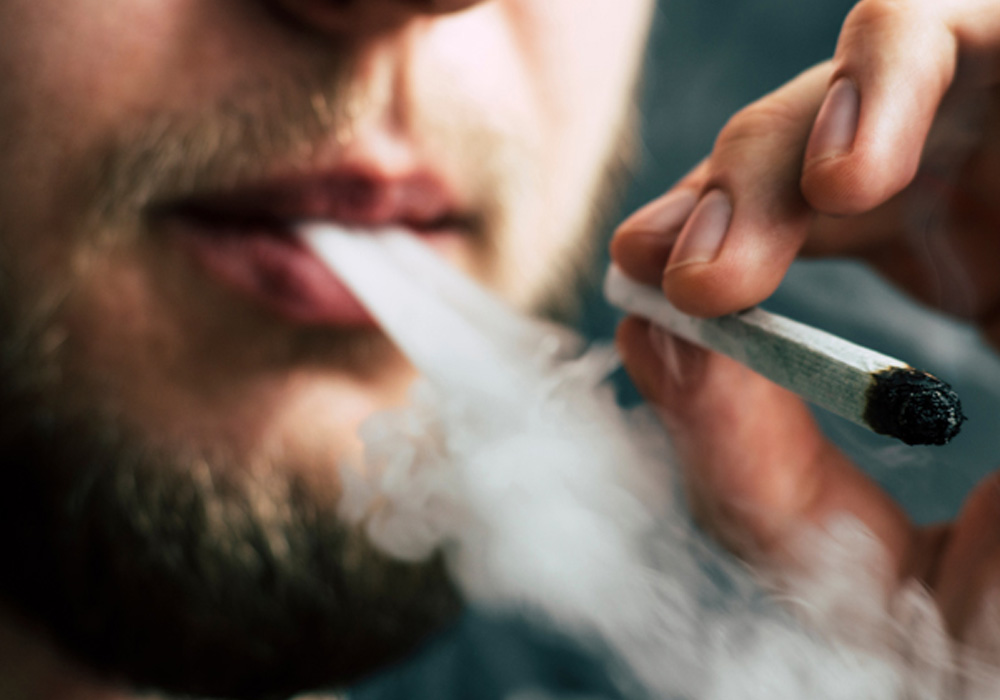
As more and more states legalize both medical and recreational use of marijuana, many drivers think that they can also smoke or otherwise ingest it and then legally drive. This thought is unfortunately common, as it has also been used as a legal excuse after arrests. That’s not the way DUI laws work. Anyone driving while under the influence of any drug can be convicted of a DUI in any state. Marijuana is no exception.
Safety officials have been paying close attention. The National Highway Traffic Safety Administration reports that marijuana impairs motor skills, lane tracking, and cognitive functions.
Tetrahydrocannabinol, or THC, is a chemical compound found in marijuana that makes it harder for drivers to multitask. NHTSA also notes that in a study of seriously or fatally injured road users at seven trauma centers, 56 percent tested positive for alcohol or at least one potentially impairing drug.
Legal to Use Does Not Mean Legal to Drive
Laws on DUI typically prevent driving under the influence of drugs, alcohol, or both substances. In every state, marijuana is covered by such laws, regardless of having a valid medical card and a legal purchase. The issue is different in terms of what can be counted as proof of driving under the influence in each particular state.
Some states impose the requirement to prove that the abilities of a driver were impaired to a certain extent. Others introduced certain standards of THC content in the blood.
Those differences mean the answer can change from one state to the next. Can you get a DUI for marijuana? It depends on how a state defines impairment, how officers assess it, and where medical marijuana cards fit in. Explanations of local rules show how much the outcome can vary from one place to another.
Why Marijuana DUI Cases Are Different
Alcohol DUI cases often rely on a well-established measurement, which is the blood alcohol concentration. Marijuana does not work the same way. In a report to Congress on marijuana-impaired driving, NHTSA concluded that the level of THC in blood or oral fluid does not appear to be an accurate and reliable predictor of impairment.
The report points to one reason for this unreliability. The concentration of THC in the blood reaches its peak immediately after smoking and decreases rapidly, whereas impairment does not follow the same pattern.
In addition, THC can still be detected in a person’s body for quite a while after its effects wear off, particularly among people who use marijuana regularly.
How Officers Build a Case
Since these tests are not as definitive, cases involving DUI on marijuana usually rely more on observations. These include behaviors while driving, which may include weaving or slower reaction times, together with physiological observations and remarks made at the time of the stop. Field sobriety tests can be conducted, and there are also departments who use officers with special training in recognizing drug impairment.
It is also possible that blood and oral fluid tests would be conducted depending on whether the state has certain restrictions regarding THC content. In other jurisdictions, these tests serve as one of many pieces of evidence that must link to impairment.
Local Rules and Local Courts
How these cases unfold depends heavily on the state and the local court. For instance, in South Carolina, practitioners, including Myrtle Beach DUI lawyer Tristan M. Shaffer, Esq., handle these cases locally. They see how officers and prosecutors approach drug-related stops in their jurisdiction to make the necessary response.
What Happens After an Arrest
A marijuana DUI arrest usually works just like a regular DUI involving alcohol. This means that the person is asked to take a test and then gets booked. They will receive a court date too. In many states, there are administrative penalties applied independently of the DUI charge in case the driver refuses testing.
DUI penalties vary by state, even for similar offenses. Convicted individuals may have to pay fines, face probation or jail time, and have their driver’s license suspended. A DUI arrest or conviction can also raise insurance rates and affect a person’s employment or professional reputation.
Looking Ahead
As the laws regarding marijuana shift, states are figuring out how to enforce those laws and how best to measure impairment. These changes affect everyone who uses marijuana since the most direct message that drivers get is that they cannot drive legally while impaired. Knowing state marijuana laws will also provide more understanding of the risks of driving while high.