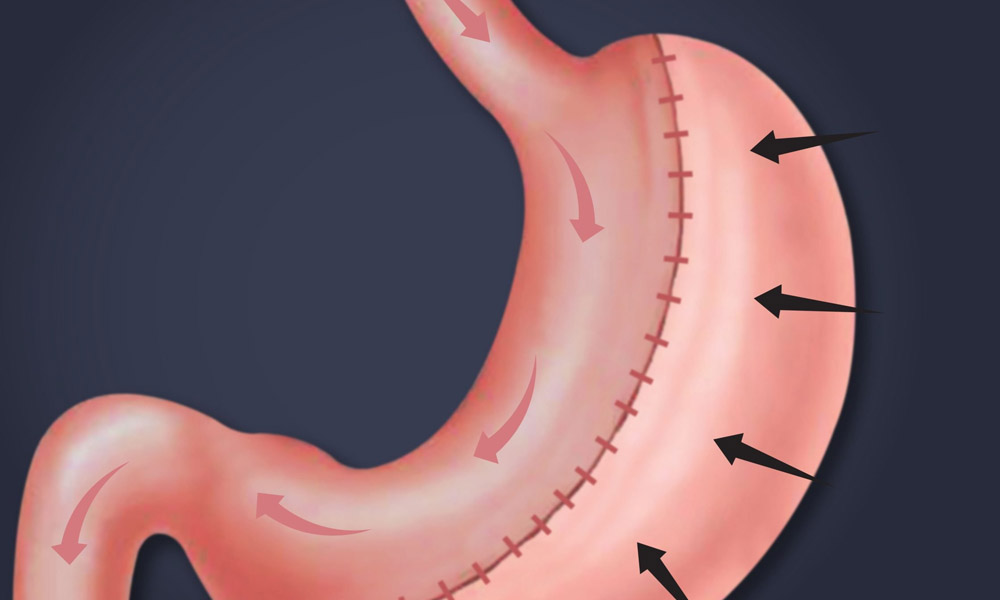
Gastric sleeve surgery is a widely recognised treatment for individuals struggling with obesity and related health conditions. This surgical procedure offers a significant option for weight loss by reducing the stomach’s size, which in turn limits food intake and promotes a feeling of fullness. Understanding the benefits, procedure, and potential risks associated with gastric sleeve surgery is essential for those considering this intervention.
What is Gastric Sleeve Surgery?
Gastric sleeve surgery, also known as sleeve gastrectomy, involves the removal of approximately 75-80% of the stomach. The remaining portion is shaped like a sleeve or tube, which significantly decreases the stomach’s capacity. This modification not only restricts food intake but also affects gut hormones that influence hunger, satiety, and blood sugar control.
The Procedure of Gastric Sleeve Surgery
The procedure is usually performed laparoscopically, which means surgeons make several small incisions in the abdomen rather than one large cut. This minimally invasive surgery utilises a camera and specialised instruments for precision. The operation generally takes between one to two hours, depending on the patient’s individual circumstances.
Before the surgery, patients typically undergo a comprehensive evaluation that includes medical history assessment, blood tests, imaging studies, and consultations with dietitians and psychologists. These steps ensure the patient is an appropriate candidate and understands the lifestyle changes required after surgery.
Postoperative Care and Recovery
After the gastric sleeve surgery, patients usually stay in the hospital for one to three days for monitoring. Recovery involves a gradual reintroduction of food starting with liquids and progressing to pureed and then solid foods over several weeks. Patients are advised to follow strict dietary guidelines to optimise healing and weight loss results.
Physical activity is encouraged shortly after surgery to reduce risks of complications such as blood clots. Regular follow-ups with the healthcare team are important to monitor progress, address nutritional needs, and support mental health.
Benefits of Gastric Sleeve Surgery
The primary benefit of gastric sleeve surgery is substantial and sustained weight loss. Many patients lose 60-70% of their excess body weight within the first year post-surgery. This reduction in weight often leads to improvements or resolution of obesity-related conditions such as type 2 diabetes, hypertension, sleep apnoea, and joint pain.
Another advantage is that this surgery does not involve rerouting or malabsorption of food, unlike other bariatric procedures. This feature can make nutritional management somewhat simpler, although vitamin and mineral supplementation remains necessary.
Impact on Quality of Life
Weight loss achieved through gastric sleeve surgery often results in enhanced mobility, increased energy levels, and better psychological well-being. Many patients experience an improvement in self-esteem and reduction in anxiety and depression symptoms following significant weight reduction.
Furthermore, this surgery can extend lifespan by reducing the risks associated with obesity-related illnesses. Improved cardiovascular health and metabolic function contribute to overall longevity and life quality.
Risks and Considerations
While gastric sleeve surgery offers notable benefits, it is not without risks. Potential complications include bleeding, infection, leaks from the stapled stomach, and blood clots. Long-term risks may involve gastroesophageal reflux disease (GERD) or nutritional deficiencies if recommended supplement regimens are not followed.
Patients should be prepared for permanent lifestyle changes, including diet, physical activity, and possibly mental health support. Continued follow-up care is essential to monitor and manage any complications or nutritional concerns.
Eligibility Criteria
Gastric sleeve surgery is typically recommended for individuals with a body mass index (BMI) over 40 or those with a BMI over 35 accompanied by serious health problems related to obesity. Candidates are evaluated thoroughly to ensure they can comply with postoperative requirements and have realistic expectations of the outcomes.
Psychological assessment is also a key component to identify any underlying mental health issues and to prepare patients emotionally for the necessary lifestyle adjustments.
Comparing Gastric Sleeve Surgery to Other Bariatric Procedures
Compared to gastric bypass surgery, gastric sleeve surgery is less complex and involves fewer anatomical changes. It eliminates the need to reroute the intestines, which lowers the risk of certain complications and malabsorption but may be less effective in some patients in resolving severe reflux symptoms.
Another option, gastric banding, is less invasive but often results in less significant weight loss and requires ongoing adjustments and a foreign device in the body. Gastric sleeve surgery balances effectiveness and safety, making it one of the most popular bariatric procedures worldwide.
Financial and Accessibility Aspects
The cost of gastric sleeve surgery varies depending on location, individual health requirements, and whether the procedure is publicly funded or conducted privately. In some countries, national health systems may provide coverage for eligible patients, while others may need private insurance or self-funding.
Accessibility to experienced surgeons and specialised multidisciplinary teams is crucial for optimal outcomes. Patients are encouraged to select accredited centres with comprehensive obesity management programmes.
Long-Term Success and Lifestyle Changes
The success of gastric sleeve surgery depends heavily on the patient’s commitment to lifestyle changes. Adopting a balanced diet rich in protein and nutrients, engaging in regular physical activity, and attending follow-up appointments are indispensable for maintaining weight loss and health improvements.
Support groups and counselling services can provide ongoing assistance for psychological and behavioural challenges encountered during the weight loss journey.
Innovation and Future Developments
Research in bariatric surgery continues to evolve, with innovations aimed at reducing complications and improving patient outcomes. Advances in surgical techniques, enhanced nutritional protocols, and personalised medicine approaches are shaping the future of gastric sleeve surgery.
Emerging studies also investigate hormonal and metabolic changes after surgery to better tailor treatments for individual patients.
Summary
Gastric sleeve surgery is a proven and effective treatment for obesity with significant benefits in weight loss and improvement of obesity-related diseases. It involves reducing the stomach’s size to restrict food intake, performed through minimally invasive laparoscopic surgery.
The procedure demands comprehensive preoperative evaluation, postoperative care, and long-term lifestyle changes. While there are risks, the overall benefits often outweigh potential complications for appropriately selected patients.
Those seeking information regarding gastric sleeve surgery should consult with experienced medical professionals to understand the procedure fully and determine individual suitability.