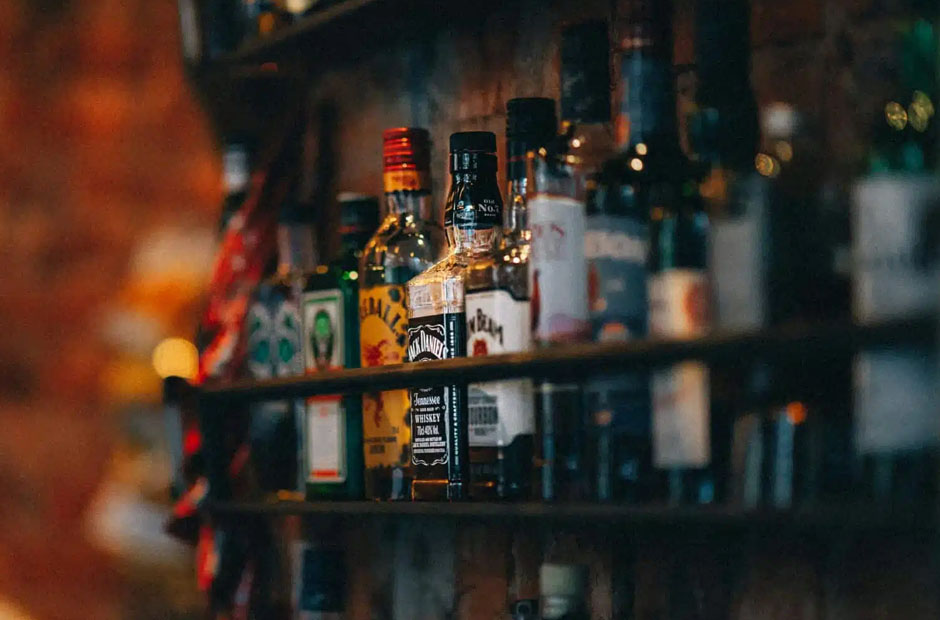
A visit to a liquor store open near you shows more than a collection of bottles; it reflects the major spirit categories that shape the beverage industry. The ingredients, distillation processes, and aging requirements behind these spirits create meaningful differences across and within categories. Understanding the variations between different liquors can help you make an informed selection. Here’s a list of 5 types of liquor commonly stocked in stores:
Whiskey
Whiskey is a grain-based distilled spirit, and the grain blend used in production shapes its final character. Bourbon, an American whiskey, requires a mash of a majority of corn, combined with rye and malted barley. Corn contributes sweetness while rye adds a layer of spice to the finished product. Barley supports fermentation. Ingredient ratio variations produce a noticeably different result in each bottle.
Whiskey producers use different types of stills to shape the final spirit. A copper pot still retains more congeners from the fermented liquid, which contributes to a fuller flavor profile. By comparison, a column still creates a lighter and clearer spirit through continuous distillation. Stores stock whiskeys produced with both methods to satisfy different drinking preferences.
Much of whiskey’s identity becomes apparent after it enters oak barrels. Charred oak gradually flavors the distilled spirit, introducing notes such as vanilla and caramel while also changing it’s color. Aging duration and barrel char level both influence the final character of the whiskey. Warehouse conditions, especially temperature variation, interact with time in ways that produce different maturation profiles across barrels.
Tequila
Tequila is created from blue agave, and harvest timing plays a direct role in shaping flavor. Fully mature agave produces a deeper, more earthy profile, while regional growing conditions introduce mineral and herbal variations. In some cases, slower roasting of agave hearts is used before fermentation, a process associated with more developed flavor characteristics.
Production scale introduces another layer of variation. Smaller batches often rely on traditional methods, while larger operations use faster processing approaches that shift the final profile in different directions. After distillation, some producers move beyond the base spirit by incorporating flavors such as jalapeño or strawberry to infuse the beverage. Across tequilas, styles range from unaged expressions to barrel-rested tequilas, creating a broad presence across retail shelves.
Gin
Gin begins as a neutral grain spirit, and its character comes from botanical infusion during or after distillation. Juniper berries are the one required ingredient, giving gin its signature piney quality, both in taste and in smell. Distillers then add combinations of fruits, roots, and botanicals to build the rest of the flavor profile, giving gin drinks greater variation. The specific blend varies by producer, which is why gin tastes so different from bottle to bottle.
Craft distilleries use locally sourced botanicals, giving their expressions a regional flavor that makes it unique to a region. These small-batch gins pair particularly well with lighter mixers, allowing the botanical character to come through. Gin also works across a range of classic cocktails, making it a versatile beverage that is ideal for mixing. Its flavor range, from floral to herbal to citrus-forward, suits a wide variety of drinking occasions.
Vodka
Vodka is made from grains or potatoes, and multiple production rounds create its neutral, clean result. The water used contributes directly to its overall smoothness, with pure, filtered water producing a cleaner result. Because the spirit carries minimal flavor of its own, it functions as a versatile base across a wide range of drinks. The source ingredient also plays a subtle role in texture; potato-based vodkas tend toward a slightly creamier mouthfeel than grain-based ones. Any liquor store open to a full vodka selection stocks both standard and flavored varieties, giving you a broad range within a single category.
Liqueurs
Liqueurs are a class of spirits that are sweetened and flavored after distillation. The flavoring process involves infusion, maceration, or the direct addition of flavoring agents to a base spirit. This gives liqueurs a lower alcohol content than standard spirits, along with a noticeably thicker texture, with a stronger secondary flavor. Coffee, orange, and herbal expressions are among the most commonly stocked varieties in stores.
Find a Liquor Store Open Nearby
A working knowledge of spirit categories tends to shift how you read a label, ask questions, and compare options on the shelf. Smaller bottle formats and sampler packs make it practical to taste across multiple expressions within a category before committing. Staff with hands-on product knowledge can also point you toward selections that match your taste preferences more precisely. Browse the spirits section at your nearest liquor store open today and use what you know to guide your next pick.