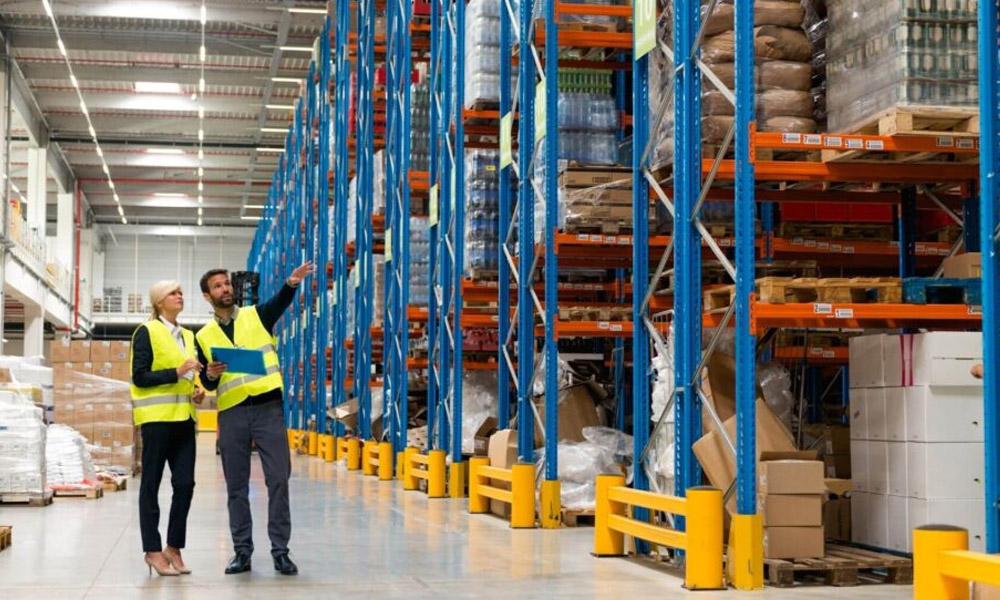
Efficient supply chain management is crucial for businesses aiming to maintain competitive advantage in today’s fast-paced market. One of the most significant components of an optimised supply chain is warehousing. The integration of 3pl warehousing solutions has transformed how companies approach inventory management, distribution, and overall logistics performance.
Understanding 3PL Warehousing
Third-party logistics (3PL) warehousing involves outsourcing warehouse management and distribution services to specialised providers. These providers manage storage, inventory control, order fulfilment, and shipping on behalf of client companies. By leveraging the expertise and infrastructure of 3PL warehousing providers, businesses can reduce operational costs, enhance efficiency, and focus more on their core competencies.
Benefits of Using 3PL Warehousing Services
Outsourcing warehousing to a 3PL provider offers a variety of advantages. Primarily, it provides flexibility to scale operations according to demand fluctuations without the need for significant capital investment. This is especially beneficial in industries with seasonal product cycles or unpredictable order volumes.
Additionally, 3PL warehouses are typically equipped with advanced technology systems to manage inventory accurately and provide real-time data visibility. This leads to improved inventory accuracy and reduces the likelihood of stockouts or overstocking.
Cost Efficiency and Resource Management
Maintaining an in-house warehouse requires considerable investment in capital, labour, and technology. Through 3PL warehousing, businesses transfer these responsibilities to the service provider, converting fixed costs into variable ones. This cost structure adjustment allows companies to manage budgets more effectively and allocate resources to strategic areas such as research and development or marketing.
Technological Advances in 3PL Warehousing
Modern 3PL warehousing facilities employ sophisticated software solutions such as Warehouse Management Systems (WMS) and Transportation Management Systems (TMS). These technologies automate numerous aspects of warehouse operations, including receiving, putaway, picking, packing, and shipping processes.
Integration with client ERP systems also facilitates seamless information flow across the supply chain, enabling better decision-making and faster responsiveness to market changes. Data analytics tools within these systems provide insights into inventory turnover rates and logistics performance metrics, allowing continuous optimisation.
Improved Customer Experience
Reliable and timely delivery is crucial for customer satisfaction. 3PL warehousing providers often have extensive distribution networks and partnerships that enable faster shipping options across various geographic locations. This translates into shorter lead times and more reliable order fulfilment for end customers.
Moreover, the professional handling and storage conditions maintained by 3PL warehouses ensure product quality is preserved throughout the supply chain, which is particularly important for perishable or sensitive goods.
Risk Mitigation through 3PL Warehousing
Supply chain disruptions, whether caused by demand spikes, logistical bottlenecks, or unforeseen events, can significantly impact business continuity. Partnering with a 3PL warehousing provider helps mitigate these risks through diversified facilities, contingency planning, and expertise in compliance with regulations and industry standards.
3PL providers are well-versed in managing customs documentation, international shipping requirements, and security protocols, thereby reducing delays and penalties that could arise from non-compliance.
Scalability and Flexibility
One of the most valuable aspects of 3PL warehousing is the ability to scale warehousing resources up or down according to business needs. This flexibility enables companies to respond swiftly to market demands, enter new regions without large upfront investments, and test new products effectively without significant logistical risks.
Choosing the Right 3PL Warehousing Partner
Selecting a 3PL warehousing provider requires a thorough evaluation of several key factors, including their technological capabilities, operational expertise, geographical coverage, and industry experience. Service level agreements (SLAs) should clearly define performance metrics to ensure accountability and quality service.
It is also advisable to assess the provider’s infrastructure, such as warehouse size, storage conditions, and security measures to ensure they align with the company’s specific product requirements.
Environmental Considerations
Increasingly, businesses prioritise sustainability in their operations. Many 3PL warehousing providers incorporate eco-friendly practices such as energy-efficient lighting, use of renewable energy sources, waste reduction programmes, and optimised transportation routes to reduce carbon footprints. Collaborating with such providers supports corporate social responsibility goals while potentially reducing operational costs.
Future Trends in 3PL Warehousing
The logistics sector is undergoing rapid technological transformation. Emerging trends include the adoption of automation and robotics to handle repetitive tasks, use of artificial intelligence for demand forecasting, and blockchain for enhanced supply chain transparency.
Furthermore, the expansion of e-commerce continues to drive demand for flexible and rapid warehousing solutions. As consumer expectations evolve, 3PL warehousing providers are innovating to offer more tailored services, such as same-day shipping and customised packaging.
Conclusion
In summary, integrating 3pl warehousing into supply chain strategies offers comprehensive benefits ranging from cost savings and operational efficiency to enhanced customer satisfaction and risk management. By choosing the right partner and leveraging technological advancements, businesses can optimise their supply chains effectively to meet current and future challenges.