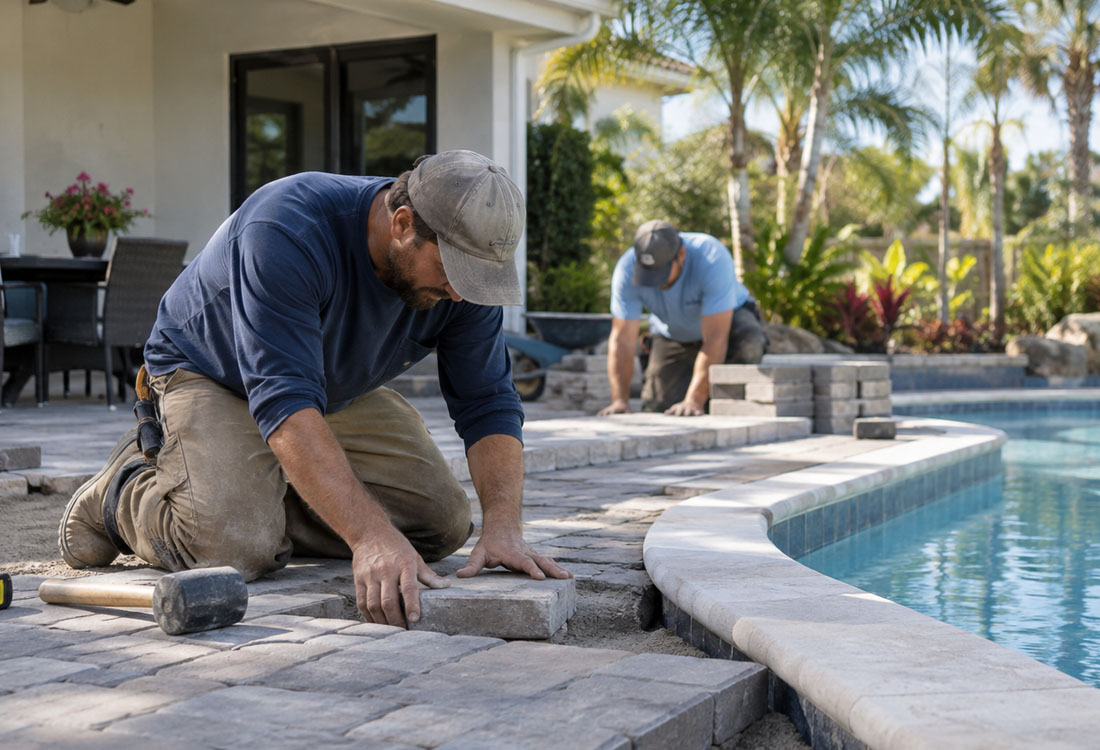
A pool area can become one of the most enjoyable parts of a property when it is designed with comfort, safety, durability, and visual appeal in mind. While the pool itself is naturally the main attraction, the surrounding deck has an equally important role in determining how practical and inviting the entire outdoor environment feels. A well-designed deck provides space for walking, lounging, entertaining, and accessing the pool while also creating a visual transition between the water feature and the surrounding landscape. Pool Deck Paver Installation offers a flexible approach to creating this important outdoor surface because pavers are available in numerous shapes, sizes, textures, patterns, and finishes. With thoughtful planning and professional installation, a paver deck can complement the property while providing a strong and functional surface capable of handling regular outdoor use, changing weather conditions, moisture, and the daily activity associated with a swimming pool.
Why the Pool Deck Matters
The pool deck is much more than an area surrounding the edge of the swimming pool. It acts as a connecting space between the pool, patio, landscaping, outdoor furniture, and other features throughout the backyard. Because people constantly move between these areas, the deck needs to provide a comfortable and reliable walking surface while also supporting furniture, accessories, and recreational activities. A poorly planned pool deck can make an otherwise attractive pool area feel disconnected or difficult to use, whereas a carefully designed surface can create a cohesive outdoor environment. Pavers can help achieve this balance by allowing homeowners to select materials that complement existing architectural and landscape features. The right color, texture, pattern, and layout can make the pool appear more integrated into the overall design while giving the surrounding space a finished appearance.Another important consideration is how the deck will be used. Some pool areas are designed primarily for swimming and relaxing, while others function as full outdoor entertainment spaces with seating, dining areas, grills, fire features, and landscaping. Understanding these uses before installation helps determine the appropriate layout and amount of surface area required. A deck should provide enough room around the pool for comfortable movement without unnecessarily consuming valuable outdoor space. Planning the circulation paths, furniture placement, access points, and transition areas can make the finished installation significantly more functional. Pavers provide considerable design flexibility, allowing different sections of the deck to be visually defined without creating an overly complicated appearance.
Advantages of Using Pavers Around a Pool
Pavers have become a popular option for outdoor surfaces because they combine practical performance with considerable design versatility. Individual pavers can be arranged into different patterns, giving homeowners more opportunities to customize the appearance of the pool environment. Traditional layouts can create a clean and orderly appearance, while more decorative arrangements can introduce visual interest around the pool. Pavers can also be selected to coordinate with other hardscape elements such as walkways, patios, retaining walls, outdoor kitchens, steps, and seating areas. This makes it easier to create a consistent design throughout the backyard rather than treating the pool deck as an isolated feature.Durability is another reason pavers are commonly considered for pool environments. The area surrounding a swimming pool can experience substantial foot traffic, furniture movement, moisture exposure, and regular outdoor activity. Individual pavers are designed to function as part of a larger surface system, and their installation can provide a strong foundation when the base preparation and drainage are properly addressed. Unlike a continuous surface, a paver system is made up of separate units, which can provide practical advantages when repairs or adjustments become necessary. If an individual paver becomes damaged or stained, it may be possible to replace that specific piece rather than removing an entire section of the deck. Proper installation remains essential because the performance of any paving system depends heavily on the quality of the preparation beneath it.
Planning the Layout Before Installation
Successful pool deck construction begins with careful planning. The layout should account for the shape and dimensions of the pool, surrounding property features, existing structures, access points, drainage requirements, and intended use of the space. Measurements should be taken carefully so the design can accommodate furniture, walking paths, pool equipment, and other necessary features without making the area feel crowded. Curved pools, irregular property boundaries, steps, raised landscaping, and other obstacles may require a more customized paving layout. Professional planning can help determine how individual pavers should be positioned and where cuts may be necessary to create clean transitions.The pattern chosen for the pavers also influences the character of the finished pool area. Larger-format pavers can create a spacious and contemporary appearance, while smaller units may provide a more detailed and traditional look. Some designs use contrasting borders around the pool perimeter to define the edge and create a visual frame. Others use a consistent material throughout the entire deck to achieve a seamless appearance. The best option depends on the architectural style of the property and the desired atmosphere of the outdoor area. It is also important to consider how the selected pattern will interact with the shape of the pool because certain patterns can emphasize curves, straight lines, or particular architectural features.
Preparing the Ground Properly
One of the most important parts of any paver project occurs before the first visible paver is installed. Proper ground preparation creates the foundation needed to support the finished surface. If the underlying soil is unstable, poorly compacted, or unable to manage water effectively, problems can eventually appear on the surface regardless of how attractive the pavers are. Preparation generally involves evaluating the existing ground, establishing the required elevations, removing unsuitable material where necessary, and creating an appropriate base. The depth and composition of the base can vary depending on soil conditions, expected loads, drainage requirements, and project design.Compaction is especially important because loose or uneven material beneath the pavers can contribute to movement, settlement, or irregular surfaces over time. A properly prepared base should provide consistent support across the entire installation area. Drainage should also be considered during this stage because water management is particularly important around swimming pools. Surface water needs to move away from areas where it could create standing water or contribute to erosion and instability. Establishing appropriate slopes and transitions before laying the pavers helps support long-term performance and reduces the likelihood of drainage-related problems.
Creating a Comfortable and Functional Surface
A pool deck should provide more than visual appeal. Comfort and usability are equally important because people may walk barefoot, sit on the surface, move furniture, and spend extended periods around the pool. The texture and finish of the pavers can therefore influence how the space feels during everyday use. Materials should be selected with the intended environment in mind, particularly because the surface may frequently become wet. A thoughtfully chosen paver can contribute to a comfortable outdoor setting while supporting the practical requirements of the pool area.The relationship between the pool coping and the surrounding pavers should also be carefully considered. The transition should appear intentional and provide a clean visual boundary around the water. Depending on the design, the coping can match the deck material or provide contrast that highlights the pool’s shape. Consistent installation around curves and corners requires careful attention because uneven spacing or poorly executed cuts can make the finished project appear less refined. Professional workmanship can help create smooth transitions and balanced lines throughout the deck.
Drainage and Water Management
Water management deserves particular attention in pool deck design because moisture is naturally present in this environment. Pool water can splash onto the deck, rain can accumulate on the surface, and routine cleaning can introduce additional moisture. Without appropriate drainage planning, water may remain in low areas or move toward structures where it could create unnecessary problems. A properly designed paver surface should direct water toward suitable drainage areas while minimizing areas where standing water can collect.The base beneath the pavers also plays a role in managing moisture. Appropriate preparation can support drainage and help maintain the stability of the paving system. Edges and transitions should be designed carefully to prevent water from undermining the installation. Drainage considerations should be incorporated into the project from the beginning rather than treated as an afterthought once the pavers are already installed. This approach allows grading, base preparation, and surface design to work together as part of one complete system.
Choosing Colors, Shapes, and Patterns
One of the most appealing aspects of pavers is the variety of design choices available. Homeowners can select from different colors, shapes, textures, finishes, and sizes to develop a pool deck that fits their preferences. Neutral tones can create a calm and understated environment, while contrasting colors can make borders, pathways, or specific areas stand out. The selected material should also complement the exterior colors of the property, surrounding landscaping, fences, walls, and other hardscape elements.Patterns can be used to influence how the deck is visually perceived. Repeating patterns can provide structure and consistency, while mixed sizes can create a more dynamic appearance. Borders are particularly useful for defining the pool perimeter or separating one functional area from another. However, too many competing patterns can make the space feel visually crowded. A balanced design usually works best when the materials and patterns support the overall architecture rather than overpowering it.
Integrating Landscaping With the Pool Deck
A successful pool environment usually combines hardscape and softscape elements. Pavers establish the primary walking and activity surface, while plants, trees, decorative stone, planters, and lawn areas can soften the edges and create a more natural transition into the surrounding landscape. When these components are planned together, the pool area can feel more integrated with the rest of the backyard. Landscaping can also provide privacy, shade, visual screening, and decorative interest depending on the selected plants and their placement.The boundary between the paver deck and landscaping should be considered during the initial design. Clean edges can help maintain the appearance of the deck and simplify future maintenance. In some designs, planting areas are incorporated into the paver layout to create visual breaks or frame specific sections. Other projects maintain a simple, clearly defined perimeter. The appropriate approach depends on how much landscaping the property can support and how much maintenance the homeowner wants to perform.
Professional Installation and Workmanship
Even high-quality pavers may not perform as expected if they are installed over an inadequate foundation or without proper attention to grading and alignment. Professional installation involves more than simply placing individual units on the ground. The project requires accurate preparation, appropriate base construction, careful compaction, precise spacing, edge restraint, proper cutting, and attention to drainage. Each stage contributes to the stability and appearance of the completed surface.Professional installation can also help address site-specific challenges. Sloped properties, unusual pool shapes, existing concrete, drainage structures, landscaping, and limited access can all influence the construction process. Experienced installers can evaluate these conditions before work begins and develop an installation strategy suited to the site. This can help reduce avoidable complications and produce a more consistent finished result.
Maintenance After Installation
Although pavers are designed for outdoor use, routine maintenance can help preserve their appearance and performance. Dirt, leaves, organic debris, and other materials should be removed regularly so they do not accumulate between the pavers or create an unnecessarily difficult cleaning situation. Spills should be addressed according to the characteristics of the selected material, and the surface should be cleaned using appropriate methods that do not damage the finish or disturb joint material.Periodic inspections can also help identify minor concerns before they become larger problems. Homeowners can look for noticeable movement, uneven areas, damaged pavers, or changes around edges and drainage points. Addressing small issues early may help preserve the overall condition of the installation. Professional maintenance may also be useful when deeper cleaning, repairs, or other specialized services are needed.
Designing for Long-Term Outdoor Enjoyment
A pool deck should be viewed as a long-term investment in the usability of the outdoor living area. Instead of choosing materials based only on immediate appearance, homeowners should consider how the deck will perform under regular use and how well it will complement future changes to the property. Outdoor furniture, landscaping, lighting, cooking areas, and recreational features may be added or changed over time, so a flexible paving design can provide valuable adaptability.Good planning also considers how the deck connects with the rest of the property. A well-integrated design can make movement between the home, pool, patio, and yard feel natural. This can encourage greater use of the outdoor area and create additional opportunities for entertaining and relaxation. When the surface is durable, visually appealing, properly drained, and thoughtfully arranged, it becomes a functional extension of the property’s living space rather than simply a border around the pool.
Conclusion
A thoughtfully planned pool deck paver installation can transform the area surrounding a swimming pool into a comfortable, durable, and attractive outdoor environment. From selecting the right materials and patterns to preparing the foundation and managing drainage, every stage contributes to the quality of the final result. Pavers offer design flexibility while providing a practical surface for walking, seating, entertaining, and everyday pool activities. With professional installation and consistent maintenance, the finished deck can complement the surrounding landscape and remain useful for many years. For property owners considering a pool-area improvement, investing in a carefully designed paving system can create a more functional outdoor space while adding a polished and cohesive appearance to the overall property.