Artificial Intelligence (AI) is rapidly transforming the creative industries, unlocking new opportunities for artists, designers, and content creators to work together and push the boundaries of innovation. Today, AI-driven tools are not just experimental novelties but are actively reshaping how individuals and teams collaborate and create. In this dynamic landscape, finding experts who can guide organizations through this transformation has become invaluable. Inviting a top-rated AI expert speaker for corporate events can help businesses and creative teams stay at the forefront of human-AI partnerships.
The relationship between human creativity and AI is a topic of lively discussion across industries. From design studios to major media companies, AI technologies are being used to enhance workflows, foster collaboration, and inspire groundbreaking ideas. As more professionals embrace AI, understanding how to integrate it ethically and effectively is becoming essential for long-term success.
Meanwhile, the educational sector is adapting to this shift, preparing the next generation of creative professionals to harness AI as both a tool and a creative partner. With these new developments come important questions about originality, authorship, and the preservation of human touch in creative work.
This comprehensive article examines the evolving role of AI in creative collaboration, discusses current examples, and explores the ethical and practical considerations guiding the future of human-AI partnerships.
AI in Creative Industries
Artificial intelligence is increasingly being used in creative sectors to assist and inspire professionals in the visual arts, music, writing, and media production. Generative AI models like GPT-4 and DALL-E generate ideas, design drafts, and even entire marketing campaigns. Large companies are leveraging these tools; for example, Warner Bros. applied AI to produce a wide range of augmented reality content for their “The Flash” movie campaign, showing how human creativity and machine intelligence can scale artistic impact efficiently. According to TechTarget, AI-driven approaches are now integral to modern creative work, expanding what was once possible with traditional methods.
Enhancing Collaborative Workflows
Collaboration is at the heart of most creative projects, and AI is making teamwork smoother and more productive. In film, music, and graphic design, cloud-based AI platforms automate repetitive editing, enable real-time feedback, and coordinate complex tasks across global teams. These solutions help reduce time spent on manual operations, allowing creative professionals to focus on ideation and refinement. As noted by TVBEurope, the shift to cloud-first, AI-powered workflows is allowing more projects to be completed under tighter deadlines, redefining creative collaboration norms.
AI as a Creative Partner
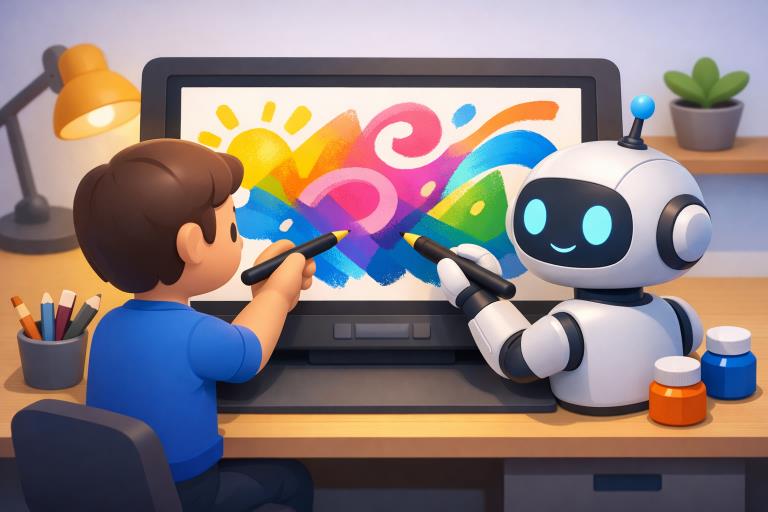
Rather than displacing creative professionals, AI functions as a powerful collaborator. Forward-thinking companies are positioning AI as a supportive partner, amplifying the unique vision and contributions of human creators. Leonardo.Ai, for instance, integrates AI into brand development but intentionally prioritizes human-led direction and creativity. This partnership model encourages artists to experiment without losing their distinct voice, ensuring that technology acts as an enabler rather than the main creator. Such approaches demonstrate how AI can unlock deeper artistic potential and help teams explore ideas quickly and at scale.
Educational Initiatives and Research
Academic institutions are ensuring that up-and-coming artists and designers learn to work effectively with AI. Programs like Concordia University’s “CTRL + AI – Human Creativity and Agency in the Age of AI” bring AI experts into classrooms, giving students hands-on experience with advanced generative tools. These initiatives prepare creatives to innovate responsibly and see AI as a partner in experimentation and problem-solving. As a result, institutions are producing graduates equipped to shape the future of human-AI collaboration in the arts and beyond.
Ethical Considerations
The broader adoption of AI in creative work brings important ethical concerns to the forefront. Questions about copyright, authorship, and artistic integrity have made headlines as AI-generated outputs become more prevalent. Businesses like Nvidia, in partnership with Universal Music Group, are focusing on “responsible AI” initiatives to ensure creative tools are used ethically, respecting both artists’ rights and cultural values. Addressing these concerns will be crucial in building trust in AI-assisted art, as well as in developing transparent guidelines for creators and companies alike
Future Prospects
AI’s role in creative industries will continue to accelerate, offering limitless opportunities for professional growth and artistic exploration. As AI models become more intuitive and accessible, creative professionals will have greater freedom to conceptualize, iterate, and realize ambitious projects. However, it is important to remember that genuine creativity is shaped by human experience, emotion, and intent. The challenge for future collaborations is to harmonize technological advancements with the authenticity that makes creative work impactful.
Conclusion
AI is redefining creative collaboration, offering a dynamic set of tools that energize and expand what humans can achieve. By welcoming AI as a facilitator and partner, creative professionals can unlock exciting new avenues for expression and innovation. The future of creativity will be driven by the synergy between cutting-edge technology and the enduring spark of human ingenuity.