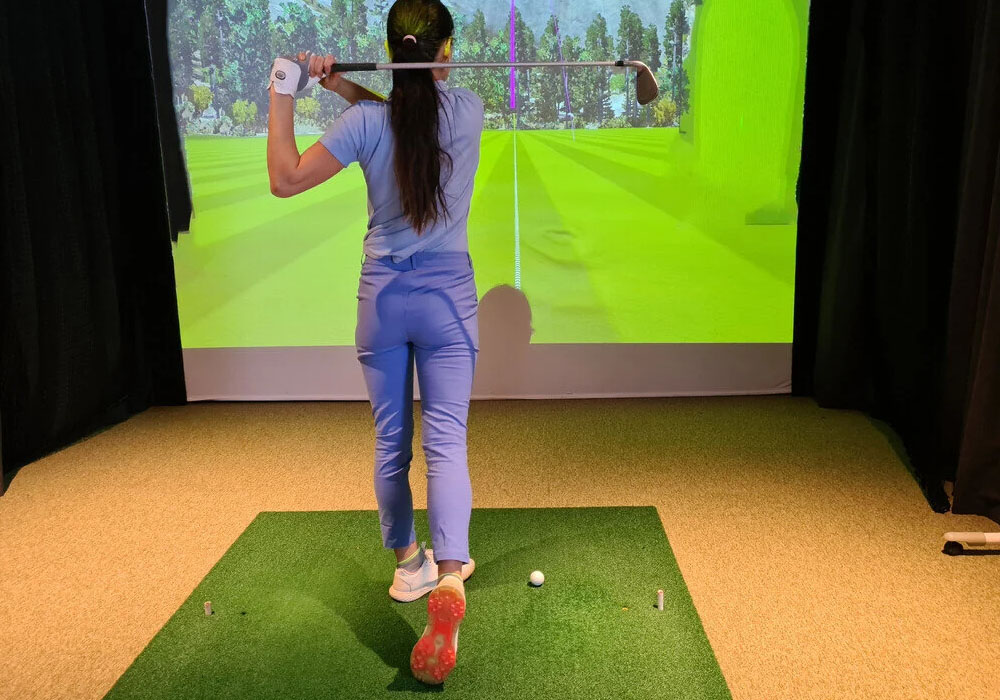
Technology has reshaped nearly every aspect of modern life, and sports are no exception. From smarter training methods to immersive fan experiences, interactive sports technology continues to redefine how athletes prepare, compete, and improve. Whether for professionals or recreational enthusiasts, these innovations create engaging opportunities to enhance performance, monitor progress, and make sports more accessible than ever before. As digital advancements continue to evolve, the future of athletic participation looks increasingly connected, personalized, and exciting.
How Interactive Sports Technology Is Transforming Training
Interactive sports technology has revolutionized athletic training by introducing real-time feedback, detailed performance analysis, and personalized coaching experiences. Instead of relying solely on observation, athletes can now evaluate their movements through advanced sensors and digital tracking systems that provide measurable insights.
These technologies help identify strengths and weaknesses with remarkable accuracy. Performance metrics such as speed, reaction time, endurance, accuracy, and movement efficiency can be monitored consistently, allowing athletes to make informed adjustments during every practice session.
The ability to receive immediate feedback significantly shortens the learning curve. Rather than waiting for post-training evaluations, users can refine their techniques as they practice, resulting in faster improvement and greater confidence. This interactive approach encourages consistent progression while making training sessions more engaging and goal-oriented.
Personalized Development Through Data
One of the biggest advantages of interactive sports technology is its ability to adapt to individual users. Data collected during training sessions helps create customized improvement plans based on personal performance rather than generalized recommendations.
As athletes continue practicing, the technology identifies trends and suggests adjustments that support long-term development. This personalized approach benefits beginners seeking foundational skills as well as experienced competitors striving for incremental gains.
Advanced Equipment Is Making Sports More Accessible
Interactive sports technology has also removed many traditional barriers to participation. Individuals no longer need access to large facilities or professional coaching to enjoy meaningful practice sessions. Modern equipment allows users to train effectively in controlled environments while receiving valuable performance insights.
For example, a golf launch monitor enables golfers to analyze swing speed, ball trajectory, launch angle, spin characteristics, and shot consistency with impressive precision. This information helps players understand their performance more clearly, making practice sessions more productive regardless of experience level.
Beyond golf, similar innovations have emerged across numerous sports. Smart training systems support activities such as tennis, baseball, soccer, basketball, and cycling by providing measurable data that was once available only to elite athletes. As technology becomes more affordable, recreational users increasingly benefit from professional-level analysis within everyday practice routines.
Bringing Professional-Level Insights Home
Interactive sports equipment has expanded opportunities for home-based training without sacrificing quality. Athletes can maintain consistent practice schedules despite weather conditions, travel limitations, or facility availability.
This convenience encourages regular participation while helping users establish sustainable fitness and skill-development habits. Continuous access to meaningful feedback makes every practice session more efficient and rewarding.
Data Analytics Is Redefining Athletic Performance
Performance data has become one of the most valuable resources in modern sports. Interactive technologies collect thousands of data points during training and competition, transforming raw information into practical recommendations that improve athletic outcomes.
Metrics such as acceleration, balance, power output, endurance, and movement patterns provide a comprehensive picture of an athlete’s abilities. Coaches and individuals can use these insights to optimize training intensity, reduce inefficiencies, and monitor progress over time.
Historical performance comparisons also allow athletes to evaluate long-term improvement. Instead of relying on memory or subjective impressions, measurable data demonstrates whether specific training methods produce meaningful results.
Predictive analysis adds another valuable dimension by identifying performance trends before they become noticeable during competition. Early detection enables timely adjustments that support continuous development while minimizing setbacks.
Supporting Injury Prevention
Interactive monitoring systems contribute to athlete safety by identifying movement irregularities and excessive physical strain. Monitoring workload, recovery periods, and biomechanical patterns helps reduce the likelihood of overtraining and repetitive stress injuries.
By encouraging balanced training schedules and proper recovery, technology supports sustainable athletic development across all levels of participation.
Interactive Experiences Are Changing Fan Engagement
Sports technology extends far beyond athlete development. Fans now enjoy increasingly immersive experiences that strengthen their connection with games, teams, and competitions.
Interactive digital platforms allow audiences to explore detailed statistics, participate in live predictions, compare player performances, and engage with dynamic visualizations throughout sporting events. Tools such as a scorers table can further organize and present real-time game information, giving fans a clearer view of scoring activity and player contributions while they follow the action. These features create a more personalized viewing experience while increasing overall engagement.
Virtual environments and simulated competitions have also introduced new ways for people to participate in sports entertainment. Rather than simply watching events, fans can actively interact with performance data, strategy simulations, and skill-based challenges that deepen their understanding of the game.
This evolution benefits sports organizations by creating stronger relationships with audiences while expanding opportunities for education and entertainment beyond traditional broadcasts.
The Future of Interactive Sports Technology
The pace of innovation continues to accelerate, suggesting an exciting future for athletes and sports enthusiasts alike. Emerging technologies are expected to provide even greater precision, automation, and personalization across training environments.
Artificial intelligence will likely play an increasingly important role by analyzing larger datasets and delivering more sophisticated coaching recommendations tailored to individual performance patterns. Enhanced motion tracking may capture even finer details of athletic movement, helping users improve efficiency while reducing injury risks.
Wearable technologies are also expected to become more comfortable, accurate, and integrated into everyday athletic routines. Continuous monitoring may provide real-time recommendations for hydration, recovery, workload management, and performance optimization.
As accessibility improves, interactive sports technology will continue reaching broader audiences across different age groups and skill levels. Schools, recreational facilities, fitness centers, and individual households are likely to adopt more intelligent training systems that encourage lifelong participation in sports.
The combination of data-driven coaching, immersive experiences, and user-friendly innovation will continue transforming how people learn, practice, compete, and enjoy athletic activities. Rather than replacing traditional coaching and physical practice, technology serves as a powerful companion that enhances every stage of athletic development.
Conclusion
Interactive sports technology continues to reshape the athletic landscape by combining innovation with practical performance improvement. From personalized training and advanced analytics to immersive fan experiences and accessible practice solutions, these advancements make sports more engaging and effective for everyone. As technology continues to evolve, athletes and enthusiasts alike can expect even smarter tools that promote continuous learning, better performance, and a deeper appreciation for the games they love.