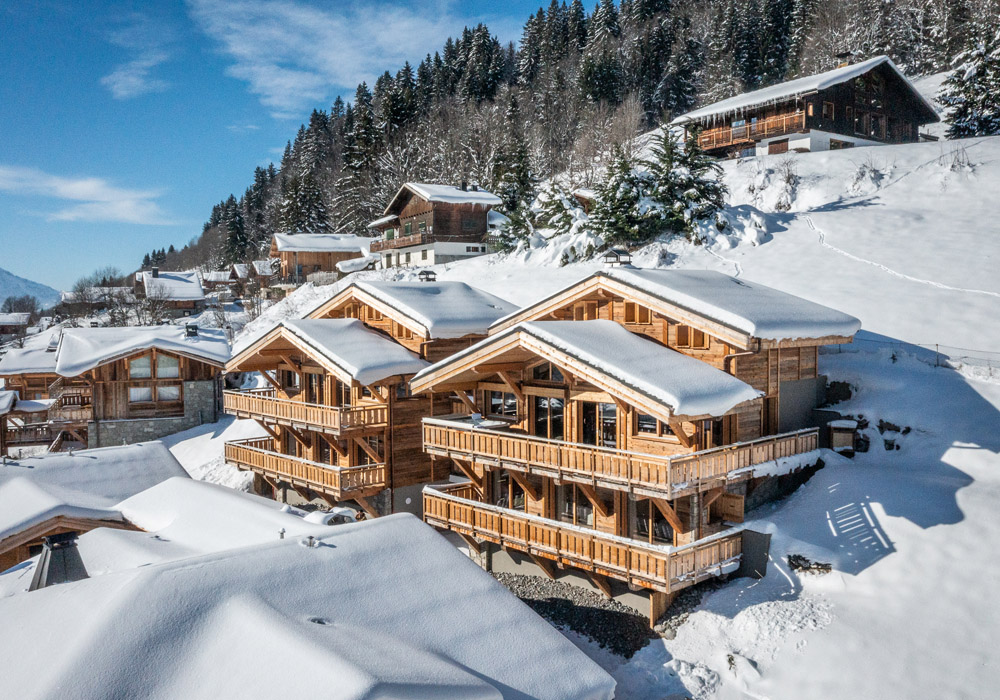
Owning a home in the Alps works well when you treat it as a practical base for regular visits. You get a place you know and trips that take less planning. If you pick a resort that stays active past winter, you can use it for much of the year.
A familiar base for repeat trips
If you’ve returned to the same valley for years, you already have a useful starting point. You know which slopes suit beginners and which bus routes work for your trips. That experience can help you judge whether a home fits your routines, alongside the financial calculations.
That familiarity belongs on your shortlist alongside the floor plan. If the ownership and management arrangements allow it, you can keep kitchen basics and outdoor kit at the property between visits. Knowing the parking arrangements also removes one task on arrival.
You still deal with normal mountain uncertainty. Lifts can close for wind and some weeks bring queues and slow roads, so you’ll still book travel early and buy passes like other skiers.
But the stay itself is simpler. There’s no rental search each winter and no adjustment to a new layout with tired kids in tow.
Space set up for mountain routines
Alpine stays run on gear and timing. A good layout saves daily hassle in a way a hotel room can’t match.
You want entry space for boots and damp jackets, along with warm storage that dries gloves overnight. A second bathroom helps when four people need to leave at once. A kitchen that seats everyone means early breakfasts don’t feel rushed. Test it in person.
Parking also shapes daily life. If you can load skis under cover and walk to the locker, mornings run smoothly, but if you have to move a car in snow before coffee, you’ll feel it by day three. When you view, ask where kit lives and how that works in February, not just in photos.
Different countries, different buying rules
When comparing properties in the Alps, consider the buying rules as well as the resort. Switzerland, for example, can require cantonal authorisation for purchases by foreign non-residents. Have an independent local adviser establish whether you can buy and use a particular home as intended before you make an offer.
If you’re torn between France and Switzerland, Alpine Property Finders is a useful place to compare those markets alongside Austria before you shortlist resorts. You can see how listings differ by country and what kind of resort access you get for your budget.
Purchase eligibility and permitted personal use depend on country and location. Letting conditions also depend on the specific property. You’ll need independent local legal and tax advice before you commit. Don’t rely on general guides for local detail.
Transport also differs more than brochures suggest. Check year-round road access and realistic transfer times in bad weather. A resort that looks close on a map can feel far on a Saturday in snow.
Summer use depends on the resort
A mountain home can also be a base for summer walks and bike rides. The practical benefit depends on what actually opens near your door, rather than the size or reputation of the resort.
Check whether nearby trails suit your household and whether any lifts you would use operate in summer. Access to groceries and local transport matters just as much if you plan to stay for several weeks.
Ask what runs in July and what shuts in low season. Look at lift calendars and shop hours before you assume summer is busy. If you want long summer stays, pick a place where daily life doesn’t pause between seasons.
Enjoying both seasons gives you more opportunities to use the home. You don’t need to love every sport. Think about how you would spend a rainy day, too: a comfortable place to read or easy access to indoor activities may matter as much as the trails.
Holiday letting and the real budget
Letting rules are local
You can let your home while you’re away in many resorts, but it’s never automatic. Permission often rests with the local authority or building, and conditions vary by location and property type. Some buildings restrict short stays, and some areas require registration or prior approval.
Management takes work even when it’s allowed. You’ll pay for cleaning and linen with each changeover, and you’ll need someone local for keys and callouts when guests need help.
Wear is higher than with personal use alone, and empty weeks still need heat and checks to avoid damp and burst pipes.
Get written advice on what your specific home can do before you count on any income. Rules change, and what a neighbour does isn’t proof you can do the same.
Run the budget honestly
Alpine running costs include year-round bills as well as seasonal expenses. Expect heating bills and insurance through the year. Plan for snow clearance and routine maintenance on top in winter. If you’re absent often, add a management retainer for checks and storm response.
A realistic test is simple: could you carry the home comfortably if you rarely let it?
Separate purchase costs, including legal fees and applicable taxes, from annual spending. Count any mortgage payments, shared-building charges, travel costs and a reserve for major repairs. If the numbers only work with constant bookings, reconsider the budget. Test a year with little or no rental income before deciding what you can afford.
A home in the Alps pays back in repeat trips that feel easy and gear that stays put. You get extra weeks in summer when the village stays alive. Buy for use you can picture clearly and budget for years you use it less.