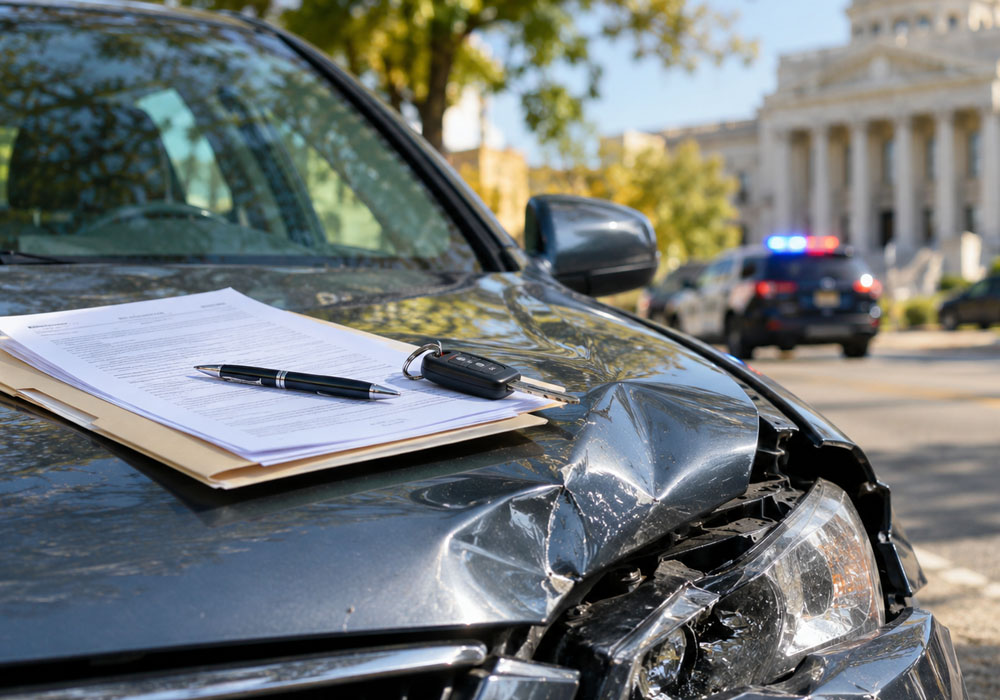
Car crashes caused by drunk drivers cause severe harm to victims. You face painful injuries, emotional stress, and sudden bills. You need a clear plan to protect your rights after a wreck. State laws help you gather proof, talk to adjusters, and file claims. Knowing what to do helps you build a strong legal case. Taking action right away safeguards your health and your financial future.
Immediate Action at the Crash Scene
Your safety is the main goal right after a crash. Call emergency services right away to report the crash and ask for help. Officers who arrive at the scene write an official report. That crash report becomes key evidence for your recovery.
Clear actions at the scene protect your rights. Being hit by a drunk driver in York SC creates a stressful situation for any driver. Staying calm helps you gather key details from the scene. Avoid arguing about fault with the other driver. Speak with law enforcement as they run sobriety tests on scene.
Taking simple steps helps protect your future claim:
- Call local police to report the wreck right away.
- Take clear photos of vehicle damage and the road.
- Collect contact details and insurance data from all drivers.
- Talk to eyewitnesses and record their phone numbers.
Seeking Prompt Medical Evaluation
Get a full medical review right away after the collision. Body shock can hide pain from neck sprains or head trauma. Seeing a doctor creates proof connecting your injuries to the wreck. Quick care helps your body heal faster and prevents long-term health complications.
Delaying medical visits gives insurance companies room to doubt your claim. They might claim your injuries came from prior events. Following care plans shows you take recovery seriously. Keep all medical receipts and notes in one file.
Documenting Your Medical Expenses
Track every dollar spent on medical care after the crash. Accurate receipts help prove your financial losses to adjusters.
- Hospital bills and ambulance service fees
- Cost of medicine and basic care supplies
- Physical therapy costs and follow-up care visits
Detailed records make it easier to outline your full financial losses. Share all bill copies with your team as you receive them in the mail.
Gathering Key Investigation Materials
A strong legal claim relies on physical proof collected early. Evidence from the crash site helps prove who caused the wreck. Collect records in the days following the event to support your case.
Photos of tire marks, traffic signs, and car damage provide context. Video clips from road cameras can show the exact moment of impact. Store physical records in a single folder for easy access. Clear records help your legal team build a solid case for financial recovery.
Having complete files speeds up negotiations with insurance adjusters. Organized evidence prevents lost details and keeps your claim moving smoothly.
Navigating Parallel Criminal Cases
Drunk driving crashes often lead to criminal charges for the at-fault driver. A civil claim for injuries runs on a separate track from state criminal court. A criminal case may proceed against the driver, and your lawyer coordinates with law enforcement to gather evidence.
Court records from the state case can support your civil claim. Police reports and breath test results provide strong proof of negligence. The criminal trial punishes the driver for breaking traffic laws. Your civil claim seeks monetary payment for your personal losses and pain.
Working alongside law enforcement helps secure public records for your civil file. Official findings from criminal court strengthen your position during settlement talks.
Identifying All Liable Parties
Finding who is at fault involves more than checking the driver behind the wheel. Multiple parties can share financial blame based on how the driver got drunk. Investigating every angle ensures no source of recovery gets overlooked.
Checking events before the wreck helps uncover all sources of payout. Local bars, employers, or vehicle owners might share fault under state law. Finding every liable party increases your odds of getting full financial relief for your injuries.
Uncovering multiple sources of coverage expands the money available for your recovery. Your legal team looks into every business or person tied to the event.
Assessing South Carolina Liability Laws
State statutes govern how fault is shared among defendants in injury lawsuits. If a verdict is rendered against both a licensee and a defendant charged under the listed DUI statutes, then the licensee is jointly and severally liable for 50% of the plaintiff’s actual damages.
This statutory rule helps injured victims recover funds when an impaired driver lacks insurance. Bars that serve alcohol to dangerous drivers share legal accountability. Knowing these laws allows your legal team to pursue every available payout under state rules.
State regulations hold businesses accountable for illegal alcohol sales. Legal rules protect crash victims by holding reckless venues responsible for harm.
Handling Early Insurance Settlement Offers
Insurance adjusters often call crash victims soon after a collision occurs. An insurance company may offer money early, before the injured person understands the full injury, the available coverage, or the number of parties who may be legally responsible.
Taking a fast cash offer requires signing a release agreement. That document ends your right to seek more money later. Early offers rarely cover long-term care or missing paychecks. Speaking with a lawyer protects your legal right to fair compensation.
Fast payout offers aim to settle cases before victims learn total injury costs. Refusing early settlement proposals gives you time to assess future needs.
Calculating Damages and Financial Recovery
Determining claim value means looking at both economic and non-economic losses. Economic damages pay for medical bills, missed work wages, and car repair costs. Non-economic damages address physical pain, mental stress, and life changes caused by the crash.
Courts can award punitive damages in cases involving extreme recklessness. Punitive payouts serve to punish drunk drivers and protect the public. Keeping a daily journal of your pain helps show the impact of your injuries.
Tracking changes in your lifestyle highlights the physical strain from injuries. Proper calculations capture every expense related to your crash and recovery.
Moving Forward With Your Legal Journey
Recovering from a drunk driving crash takes time, patience, and step-by-step effort. Following legal procedures protects your health and your financial future. Holding reckless drivers accountable brings closure and needed financial relief. Working with a legal advocate lets you focus on healing.
If you or a family member suffered harm in a crash, take action to protect your legal rights today.