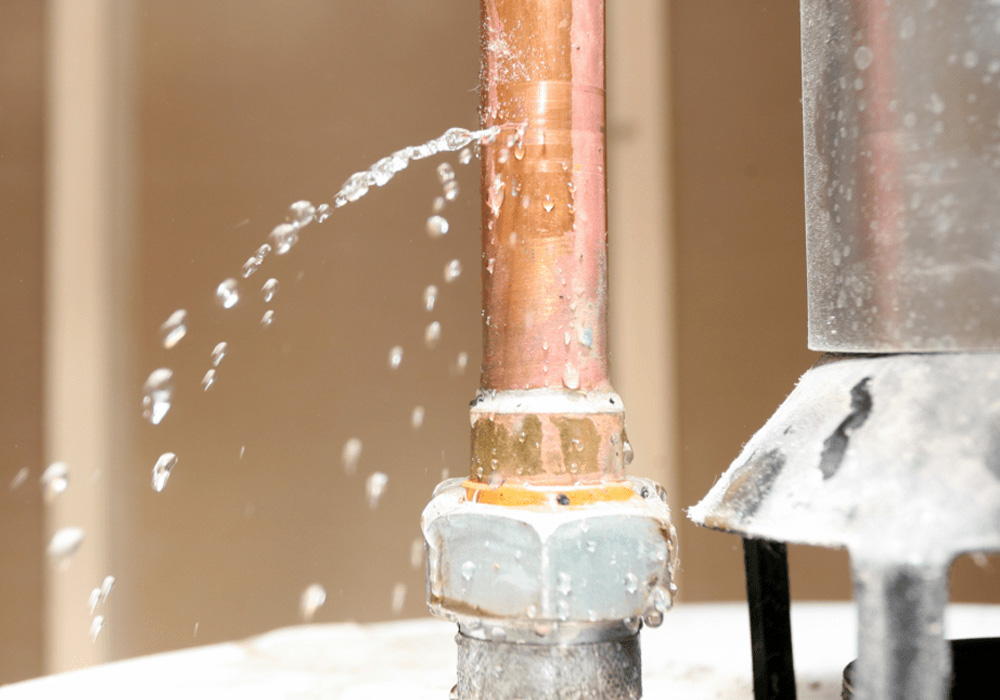
A home depends on stable plumbing conditions to keep internal systems working properly. Even small moisture changes behind walls or floors can point to deeper issues that are not easy to see. These hidden signs often develop slowly and affect multiple areas over time.
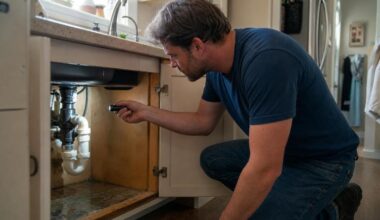
When left unnoticed, such conditions can spread across structural and system layers in unexpected ways. Professional water leak detection helps locate these concealed moisture points before they grow into larger concerns. The sections below explain the less obvious risks that can emerge inside a property when such issues remain undetected.
Gradual Weakening Within Structural Layers
Hidden moisture can slowly affect the internal strength of a building. Wooden supports may lose firmness as they absorb dampness over time. Metal fittings can also lose stability when exposed to prolonged moisture. These changes usually remain behind finished surfaces, making them difficult to notice early. As time passes, slight shifts may appear in alignment between connected parts, affecting overall balance within the structure.
Silent Expansion of Mold and Mildew Growth
Damp conditions inside enclosed areas can create ideal zones for unwanted biological buildup. Mold and mildew often begin in hidden corners where airflow is limited and surfaces stay damp. These growth patterns remain concealed behind walls, flooring, or insulation layers for long periods. As they expand, they can spread into nearby sections without visible warning. Because of their hidden nature, the issue often advances before surface changes become noticeable.
Electrical Fire Hazards Developing Behind Surfaces
Moisture near wiring systems can introduce hidden electrical instability. Internal conductors may begin to degrade when exposed to damp conditions over time. This can affect current flow and create irregular resistance inside circuits. In some cases, overheating may develop within concealed wiring sections, increasing the risk of electrical fire hazards. Water leak detection plays an important role in identifying these hidden moisture sources before they reach electrical pathways and create serious safety concerns.
Unseen Pest Movement Through Moist Zones
Damp areas inside a structure can create favorable entry routes for pests. Small gaps formed through moisture-related weakening allow insects and rodents to access concealed spaces more easily. Once inside, they can move through wall cavities, flooring gaps, and hidden passages without detection. Moist conditions also encourage continued activity since they provide shelter and attraction. Over time, pest movement can extend across multiple sections of a home without visible entry points.
Escalating Financial Burdens Over Time
Hidden moisture issues often lead to multiple repair needs if left unresolved. As damage spreads across different systems, restoration work becomes more complex and time-consuming. Electrical concerns, structural repair, and surface restoration may all be required at once. This increases overall maintenance requirements and adds pressure on long-term household budgeting. What begins as a small concealed issue can gradually turn into a wide-ranging financial concern.
Hidden water leaks can influence multiple parts of a home at once, affecting its structure, safety systems, and long-term stability. Because these issues develop behind surfaces, they often remain unnoticed until the impact becomes more complex. This is where professional leak detection becomes essential, as it helps identify concealed problems at an early stage with accuracy and precision. Choosing the right service provider also plays a key role, since skilled inspection ensures the source is correctly located and properly addressed. A reliable approach to detection and service selection helps maintain a safer, more stable, and better-protected home over time.